Newsroom
Classification of Heat Treatment and Hardness Testing Methods for Cylindrical Roller Bearings
The cylindrical roller bearings hardness of heat-treated workpieces is tested with a hardness tester. The PHR series portable surface Rockwell hardness tester is highly suitable for testing the hardness of surface heat-treated workpieces, and can measure various surface heat-treated workpieces with an effective hardening depth of more than 0.1 mm. It features simple operation, ease of use and a relatively low price, with direct hardness value reading available. 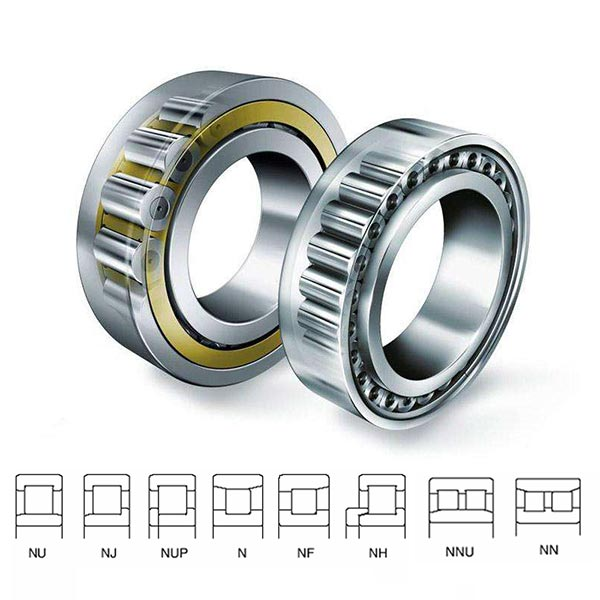
Surface heat treatment of cylindrical roller bearings is divided into two major categories: surface quenching and tempering heat treatment, and chemical heat treatment. Their respective hardness testing methods are as follows:
Chemical heat treatment involves infiltrating the atomic atoms of one or more chemical elements into the workpiece cylindrical roller bearing surface, thereby changing the chemical composition, microstructure and properties of the workpiece surface. After quenching and low-temperature tempering, the workpiece surface has high hardness, wear resistance and contact fatigue strength, while the core of the workpiece maintains high strength and toughness. 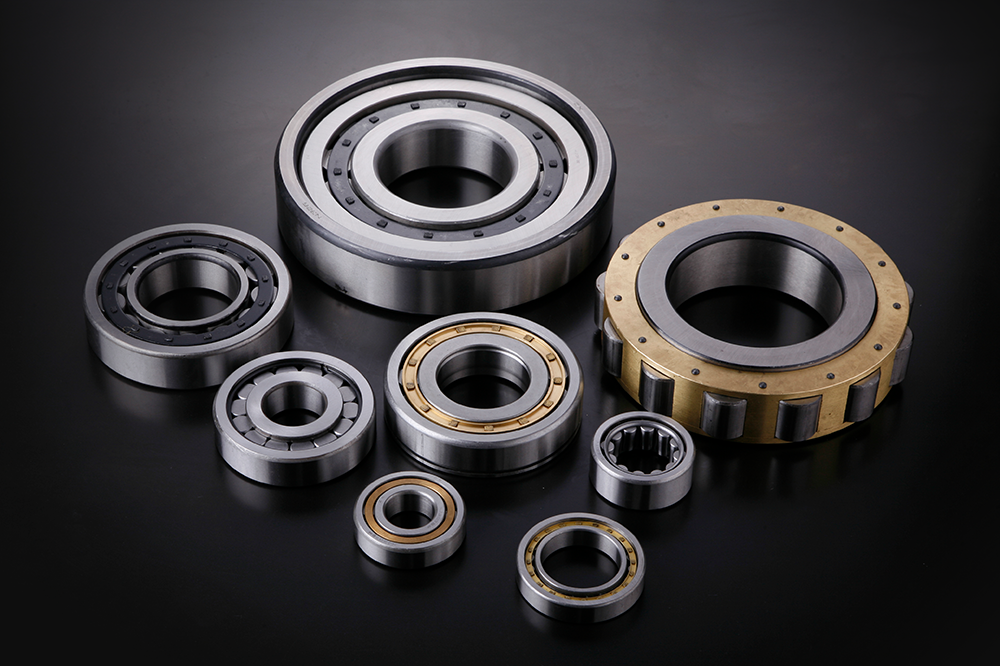
The main technical parameters of chemically heat-treated workpieces are the hardened layer depth and surface hardness. The hardened layer depth must be tested with a Vickers hardness tester, which measures the distance from the workpiece surface to the point where the hardness drops to 50HRC—this is the effective hardened depth. The surface hardness testing of chemically heat-treated workpieces is similar to that of surface-quenched workpieces, and can be conducted with a Vickers hardness tester, surface Rockwell hardness tester or Rockwell hardness tester. However, the thickness of the nitrided layer is relatively thin, generally not more than 0.7 mm, in which case the Rockwell hardness tester is no longer applicable.
If a part has high local hardness requirements, local quenching heat treatment can be carried out by means of induction heating and other methods. For such parts, the position of local quenching heat treatment and the local hardness value are usually marked on the drawing, and the hardness testing of the part must be performed within the specified area. A Rockwell hardness tester can be used to measure the HRC hardness value; if the heat-treated hardened layer is relatively shallow, a surface Rockwell hardness tester can be adopted to test the HRN hardness value. 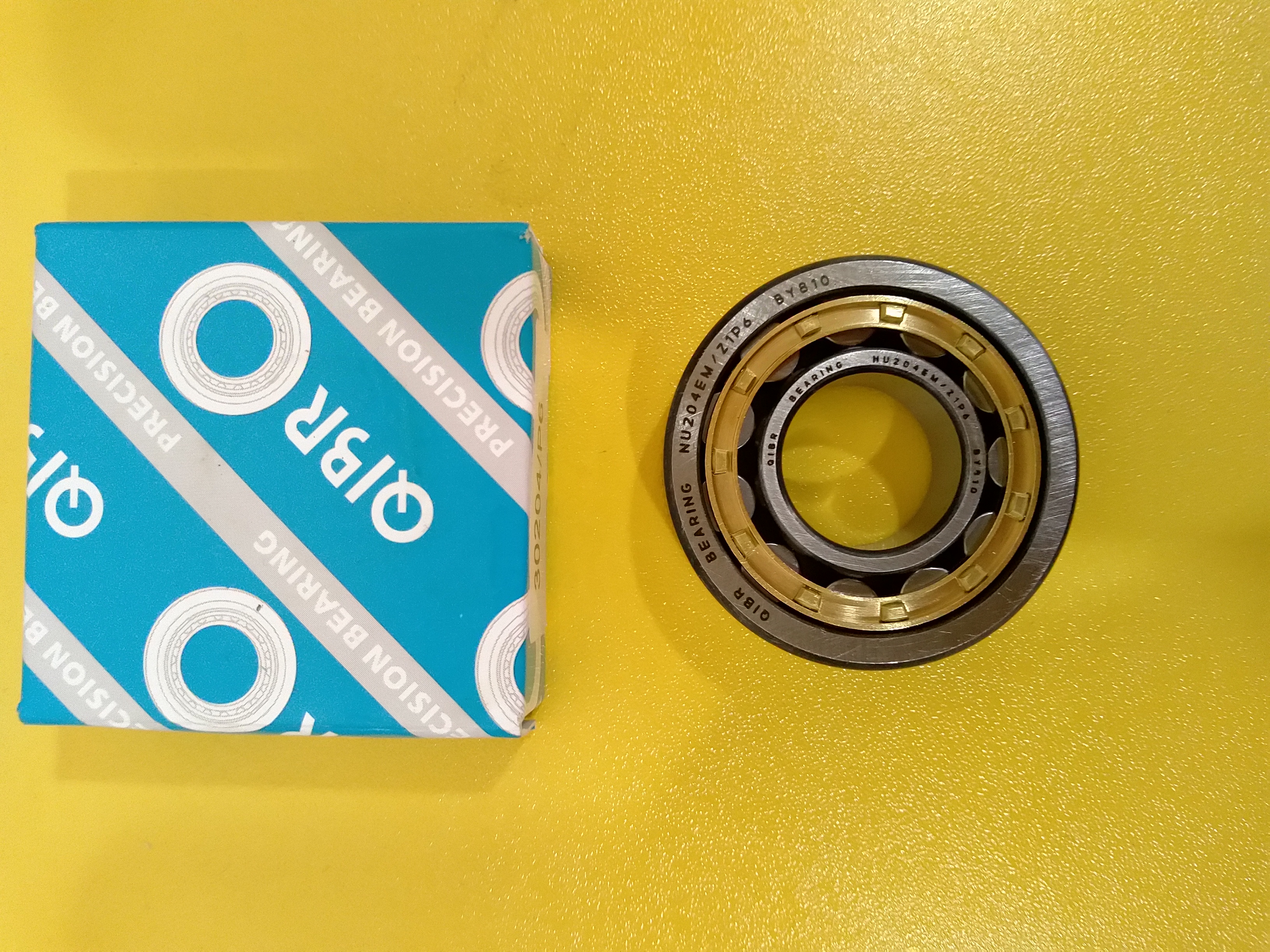
Surface quenching and tempering heat treatment is usually conducted by induction heating or flame heating, with the main technical parameters being surface hardness, local hardness and effective hardened layer depth. Hardness testing can be done with a Vickers hardness tester, as well as a Rockwell or surface Rockwell hardness tester. The selection of test force (scale) is related to the effective hardened layer depth and the workpiece surface hardness, which involves the three types of hardness testers mentioned above.
The Vickers hardness tester is an important tool for testing the surface hardness of heat-treated workpieces. It can be equipped with a test force ranging from 0.5 to 100 kg to measure surface hardened layers as thin as 0.05 mm, and has the highest precision, capable of distinguishing minor differences in the surface hardness of workpieces. In addition, the effective hardened layer depth must also be tested with a Vickers hardness tester. Therefore, it is necessary for enterprises engaged in surface heat treatment processing or extensively using surface heat-treated workpieces to be equipped with a Vickers hardness tester. 
The surface Rockwell hardness tester is also highly suitable for testing the hardness of surface-quenched workpieces, with three optional scales available. It can measure various surface-hardened workpieces with an effective hardening depth of more than 0.1 mm. Although its precision is lower than that of the Vickers hardness tester, it can fully meet the requirements as a testing method for quality management and qualification inspection in heat treatment plants. Moreover, it has the characteristics of simple operation, ease of use, low price, rapid measurement and direct hardness value reading. The surface Rockwell hardness tester can be used for rapid, non-destructive piece-by-piece testing of batch surface heat-treated workpieces, which is of great significance for metal processing and machinery manufacturing plants.
A Rockwell hardness tester can also be used when the surface heat-treated hardened layer is relatively thick: the HRA scale is applicable when the hardened layer thickness is 0.4 to 0.8 mm, and the HRC scale is adopted when the hardened layer thickness exceeds 0.8 mm.