Newsroom
Main Uses and Authenticity Identification of Self-aligning Ball Bearings
Self-aligning ball bearings are suitable for bearing heavy loads and impact loads. They are widely used in precision instruments, low-noise motors, automobiles, motorcycles, metallurgy, rolling mills, mining, petroleum, papermaking, cement, sugar milling and other industries as well as general machinery, making them one of the most widely used types of bearings in the machinery industry.
Authenticity Identification of Self-aligning Ball Bearings
Clarity of stamped characters
Every bearing product is marked with its brand name, model number and other information on the bearing body. Although the characters are very small, products produced by regular manufacturers use stamping technology for marking, and the stamping is done before heat treatment. Therefore, even though the characters are tiny, they are deeply recessed and very clear. In contrast, the characters on counterfeit products are usually blurred. Due to the crude stamping technology, the characters are only on the surface; some can even be easily wiped off by hand, or show obvious manual traces. 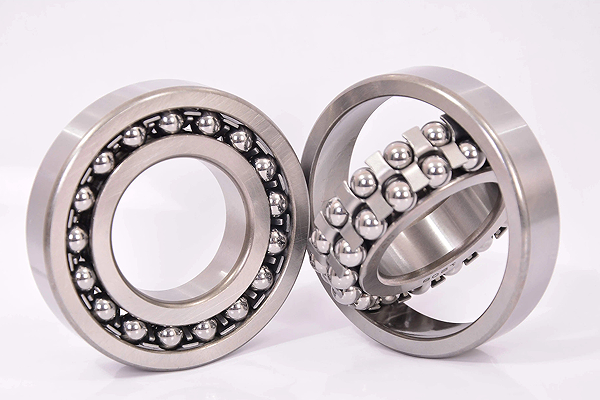
Presence of abnormal noise Self-aligning Ball Bearings
Hold the inner ring of the bearing with your left hand, and gently rotate the outer ring back and forth with your right hand to listen for any abnormal noise during operation. Most counterfeit products are produced under backward conditions with completely manual workshop-style operations. Impurities such as dust and sand are inevitably mixed into the bearing during production, resulting in abnormal noise or unsmooth operation when the bearing rotates. This is a key point to judge whether the product is a brand-name product from a regular manufacturer with strict production standards and mechanical operations.
Presence of cloudy oil stains on the surface
Special attention should be paid to this when purchasing imported bearings. Due to the gap between domestic anti-rust technology and that of advanced foreign manufacturing countries, thick oil stains are likely to remain after the anti-rust treatment of the bearing body, which feel sticky to the touch. On the contrary, almost no traces of anti-rust oil can be seen on original imported bearings from abroad. 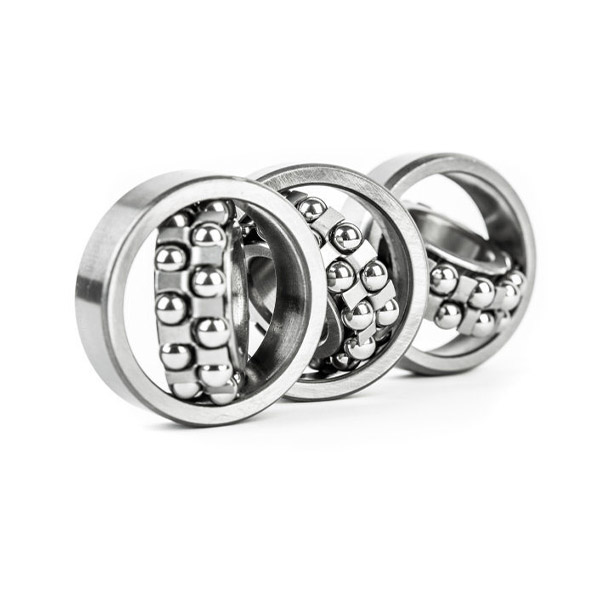
Uniformity of chamfers
The so-called bearing chamfer refers to the junction between the horizontal and vertical surfaces. Due to the limitations of production technology, counterfeit bearing products have unsatisfactory processing at these edges and corners, which can be easily identified.
Bearing packaging
Packaging is divided into inner packaging and outer packaging. After being manufactured and inspected to be qualified, bearings are cleaned and anti-rust treated, and then put into inner packaging. The purpose is to achieve waterproofing, moisture-proofing, dust-proofing, shock-proofing, maintain the quality and precision of bearings, and facilitate use and sales.
Bearing inner packaging is divided into three categories according to the anti-rust period:
① Short anti-rust period packaging: With an anti-rust period of 3 to 6 months, this type of anti-rust packaging is generally used for bearings that are put into use in large quantities in a short period of time. It adopts simple packaging based on the principle of ease of use. 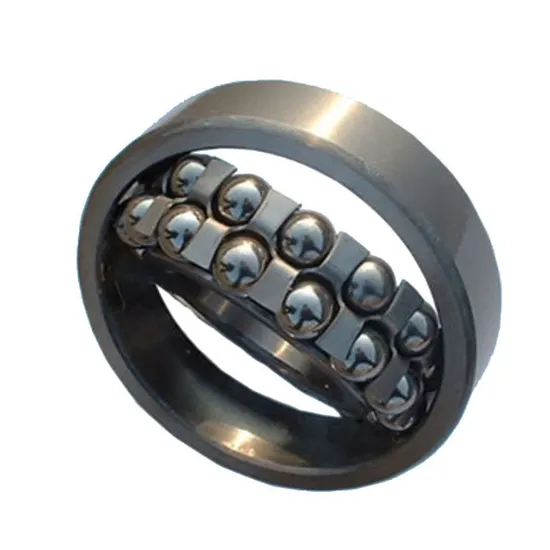
② General anti-rust period packaging: With an anti-rust period of one year, it is suitable for bearings for general purposes.
③ Long anti-rust period packaging: With an anti-rust period of two years, it is suitable for special and precision bearings.