Newsroom
Under high-speed rotation, does the bearing contact angle actually undergo "dynamic drift"?
In conventional understanding, the contact angle of angular contact ball bearings (such as 15°, 25°, or 40°) is regarded as a fixed design parameter. However, once the bearing operates at high speed, this "static common sense" no longer holds true. 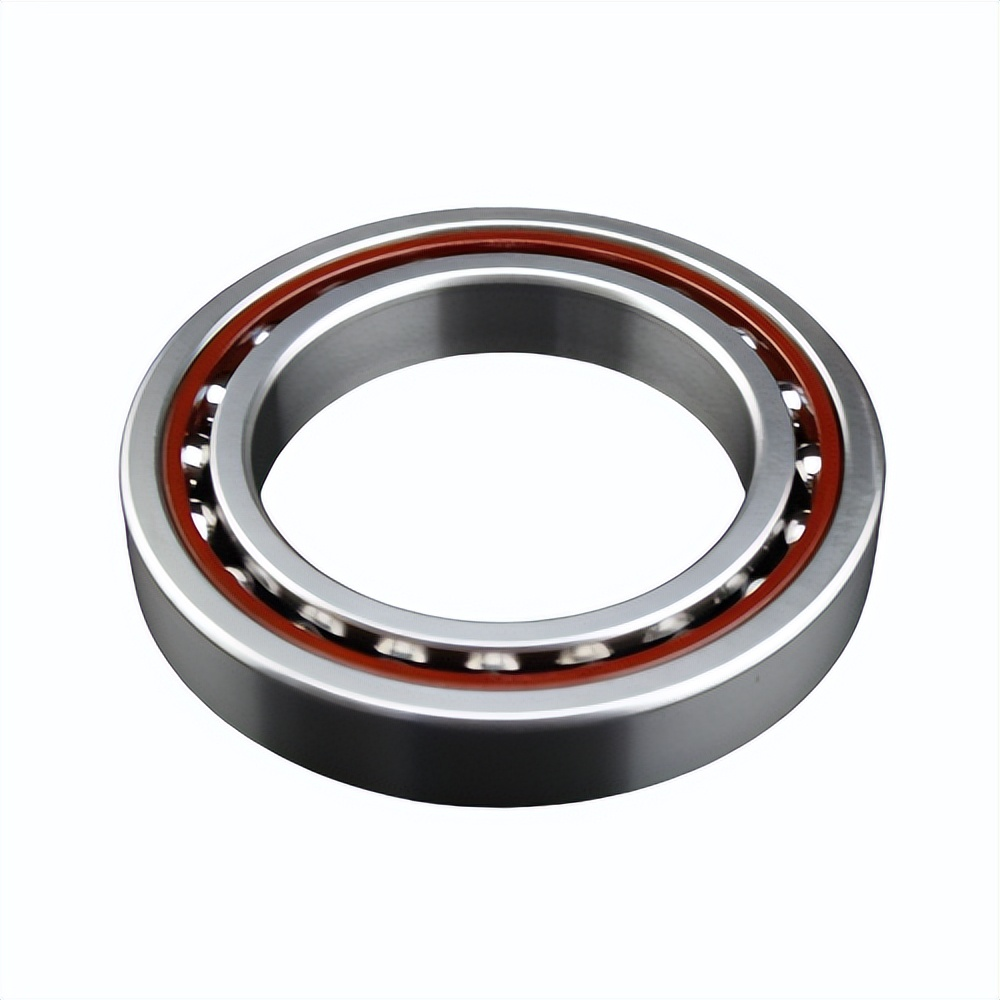
As the rotational speed increases sharply, the strong centrifugal force pushes the rolling elements (steel balls) outward, causing their contact positions with the inner and outer raceways to shift. The result is: the inner ring contact angle increases, while the outer ring contact angle decreases. This dynamic change of "one increasing and one decreasing" completely breaks the inherent concept of a constant contact angle. 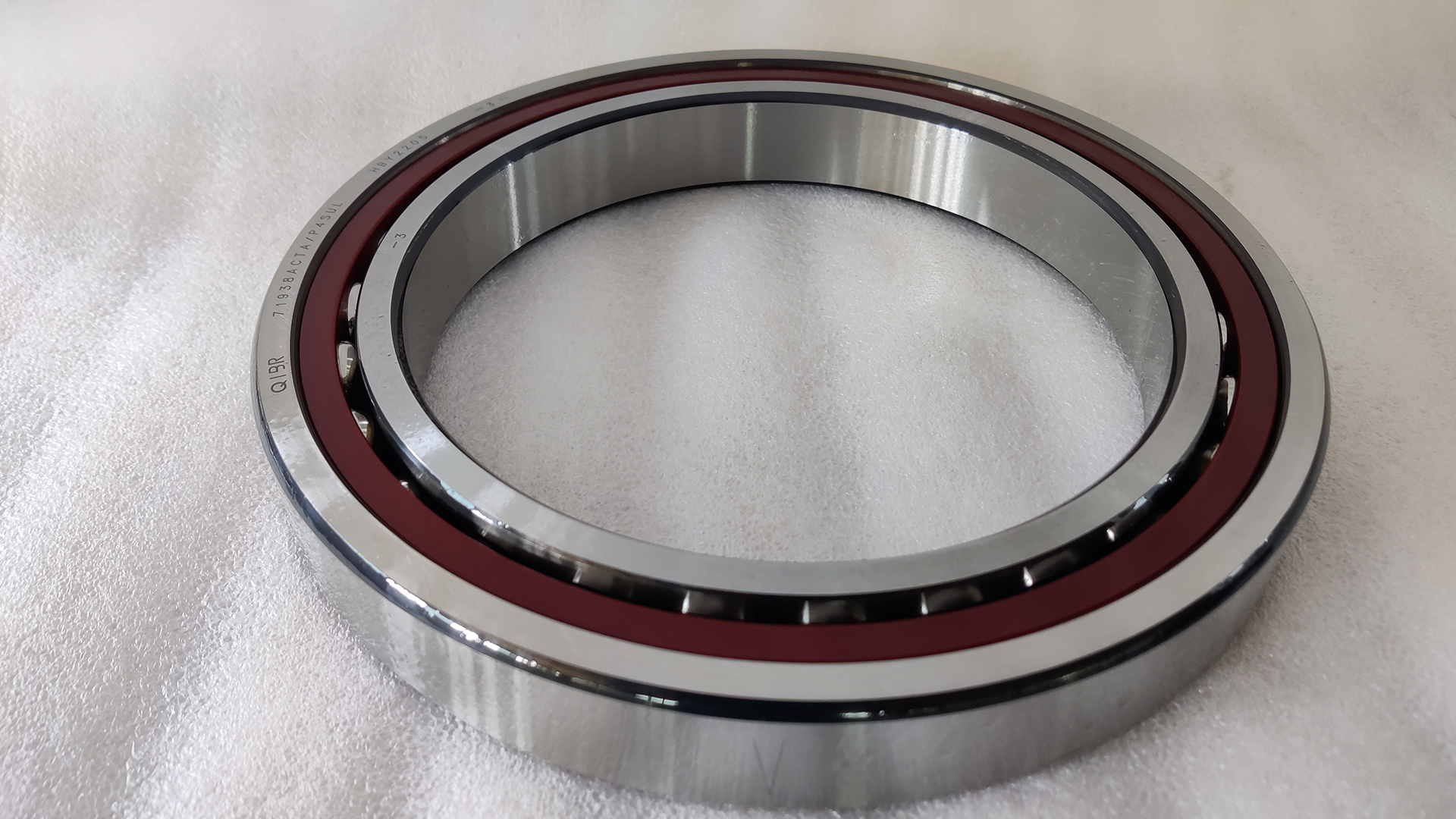
More complexly, angular contact ball bearings also generate gyroscopic moments during high-speed rotation—an additional moment caused by the inertia of the rotating mass. It not only further disturbs the contact state but may also induce detrimental sliding between the rolling elements and the raceways, exacerbating wear and reducing system stability.
These dynamic effects directly alter the load distribution inside the angular contact ball bearings, thereby affecting the overall stiffness and the vibration characteristics of the rotor system. For high-precision, high-speed equipment such as spindles and aero-engines, failure to control these effects will seriously threaten operational accuracy and service life. 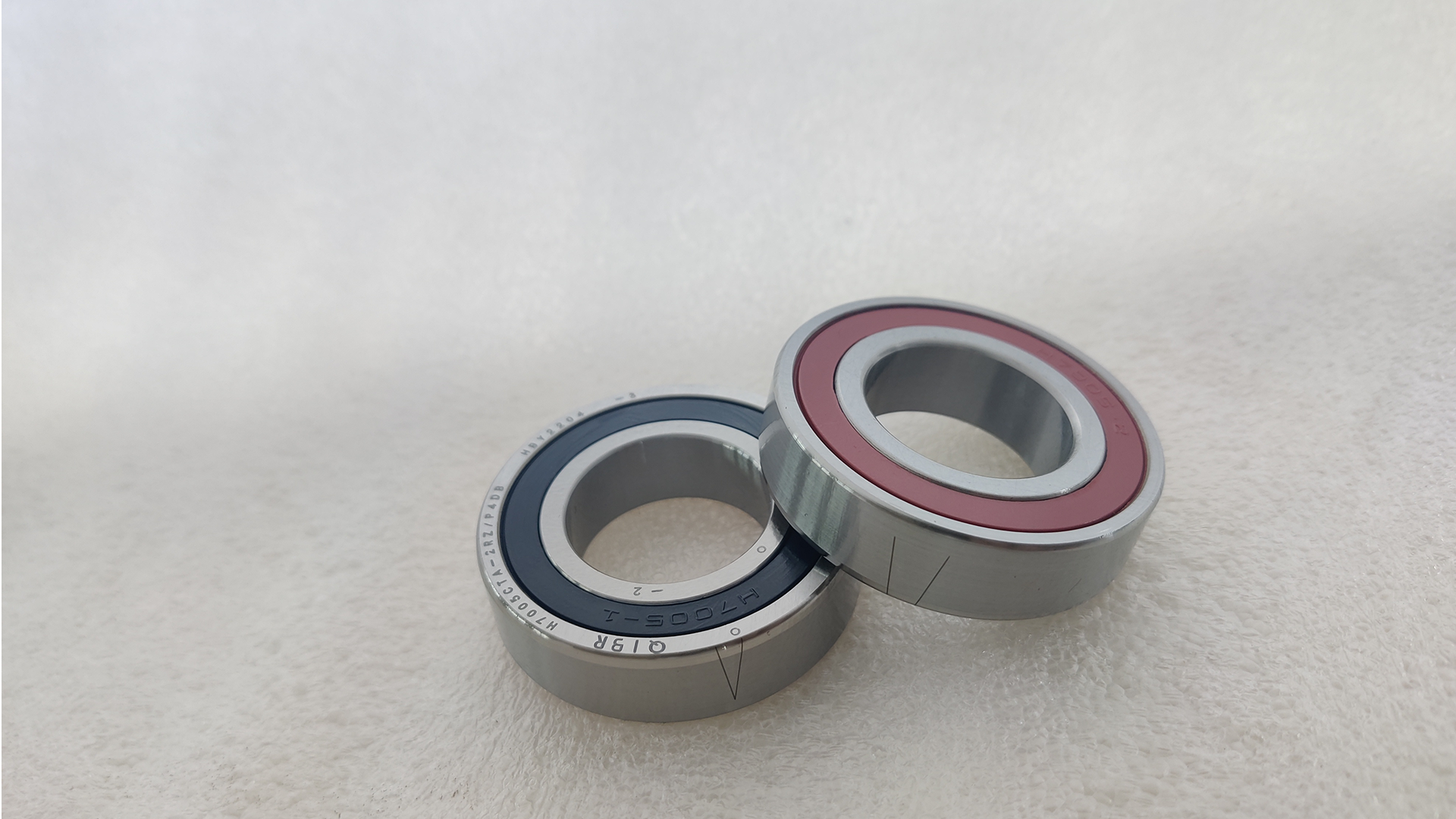
Therefore, modern high-speed bearings often adopt special countermeasures: such as applying precise preload and selecting lightweight rolling element materials like ceramics to suppress the negative impacts of centrifugal force and gyroscopic effects. This is not only a contest between materials and structures but also a reflection of a profound understanding of dynamic mechanics.