Newsroom
What Precautions Should Be Taken in the Visual Inspection of Deep Groove Ball Bearings?
Various cracks, such as raw material cracks, forging cracks, heat treatment cracks, and grinding cracks, will become stress concentration sources and expand rapidly during the subsequent operation of the Deep Groove Ball Bearing, leading to Deep Groove Ball Bearing fracture. This has a significant impact on the service life and operational safety of the Deep Groove Ball Bearing. In fact, for Deep Groove Ball Bearings used in critical applications, Deep Groove Ball Bearing manufacturers conduct 100% magnetic particle or radiographic flaw detection on their component parts. 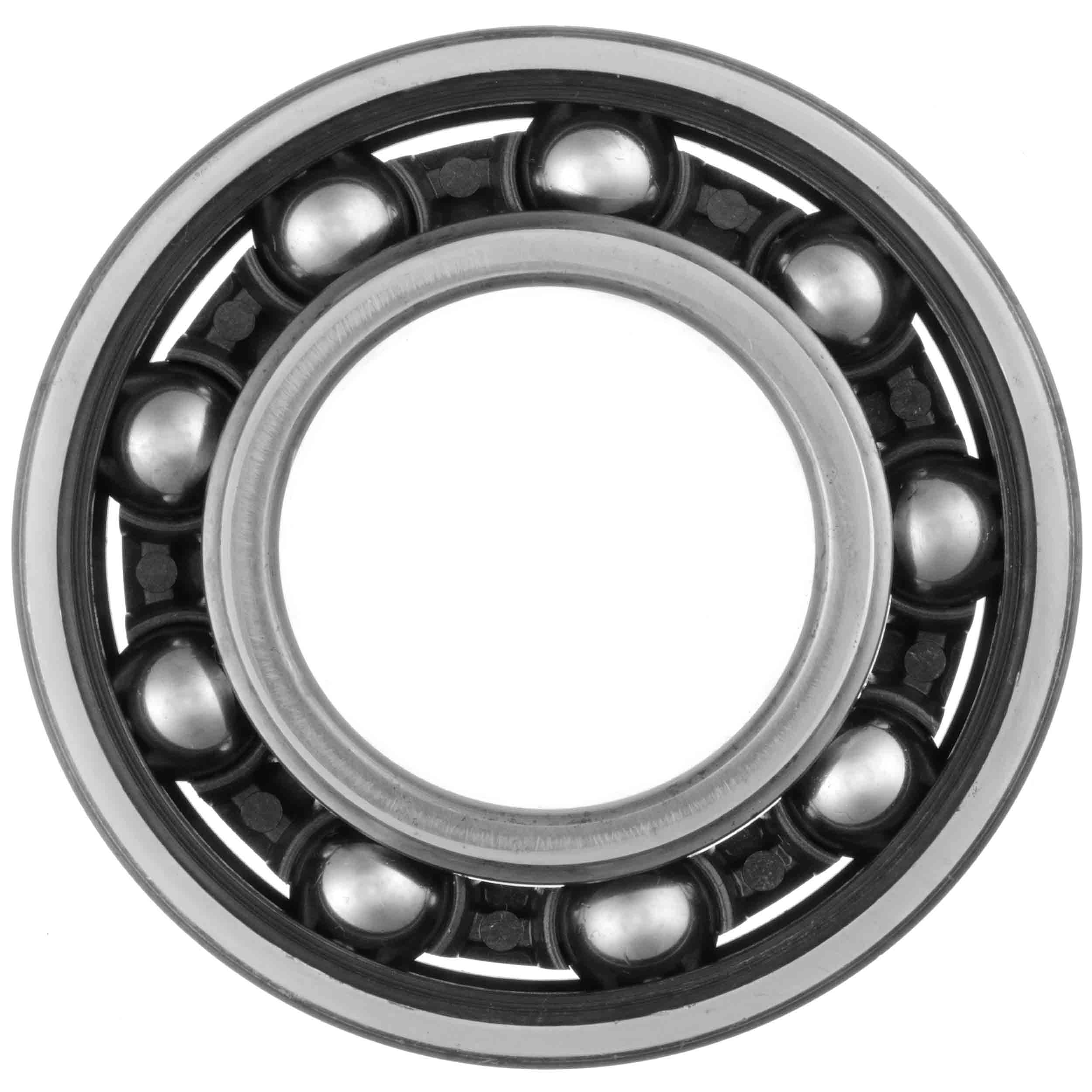
All kinds of mechanical damages, such as abrasions, scratches, indentations, and bumps, will result in poor Deep Groove Ball Bearing installation, causing eccentric loading and stress concentration, which in turn lead to a decline in rotational accuracy and service life.
Rust, scale, and pitting: the latter two are defects that easily accumulate moisture and contaminants, and they can easily develop into rust. Rust, on the other hand, is a source of contamination that causes poor installation, early wear, and fatigue; severe rust can render the Deep Groove Ball Bearing scrapped. 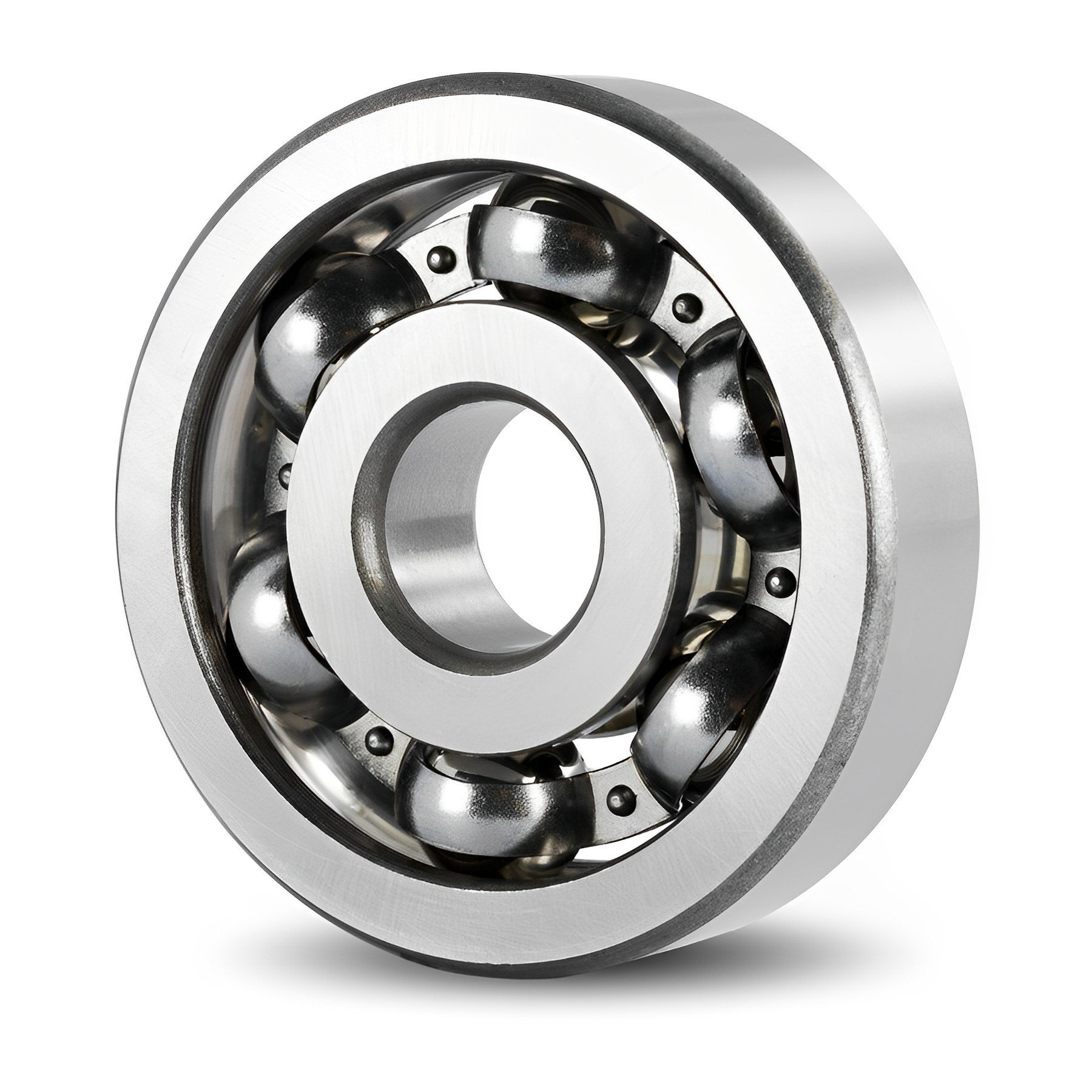
Peeling and folding: the local areas of these two defects have weak bonding with the base metal, and there are often varying degrees of decarburization or carbon depletion around them. The material is prone to chipping, indentation, or abrasion, which is very detrimental to the service life and accuracy of the Deep Groove Ball Bearing.
Regarding the riveting or welding quality of the cage, the main checks include: whether the rivet heads are misaligned, skewed, loose, missing material, or have a "double-lip" appearance; whether the welding position is correct, whether the weld spots are too large or too small, and whether there is insufficient welding or excessive welding that causes jamming of the rolling elements. Additionally, it is necessary to check if the quality of press forming, edge folding, seaming, and notching of certain cages is up to standard, and whether the rolling elements can stay in the cage without falling out and rotate freely. If these key points do not meet the requirements, minor issues will cause increased Deep Groove Ball Bearing noise and reduced rotational accuracy, while major issues may lead to cage disintegration, resulting in mechanical failures or accidents. 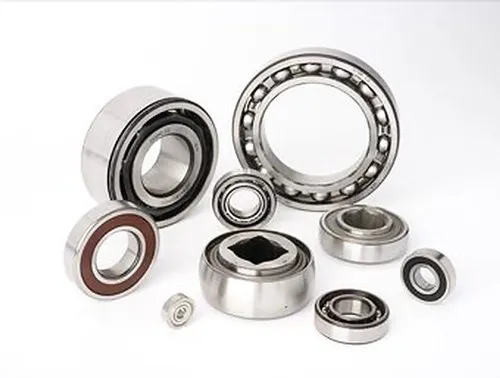
If any of the above defects are found during inspection, the Deep Groove Ball Bearing shall also be rejected. In addition, poor marking quality, such as blurred or damaged characters, shall be considered as defective products, and those with severe issues may also be rejected. Furthermore, the assembly surfaces of the Deep Groove Ball Bearing shall not have visible burns (annealing marks) as specified.