Newsroom
Bearing Unit Alignment Correction: Causes, Methods, and Best Practices
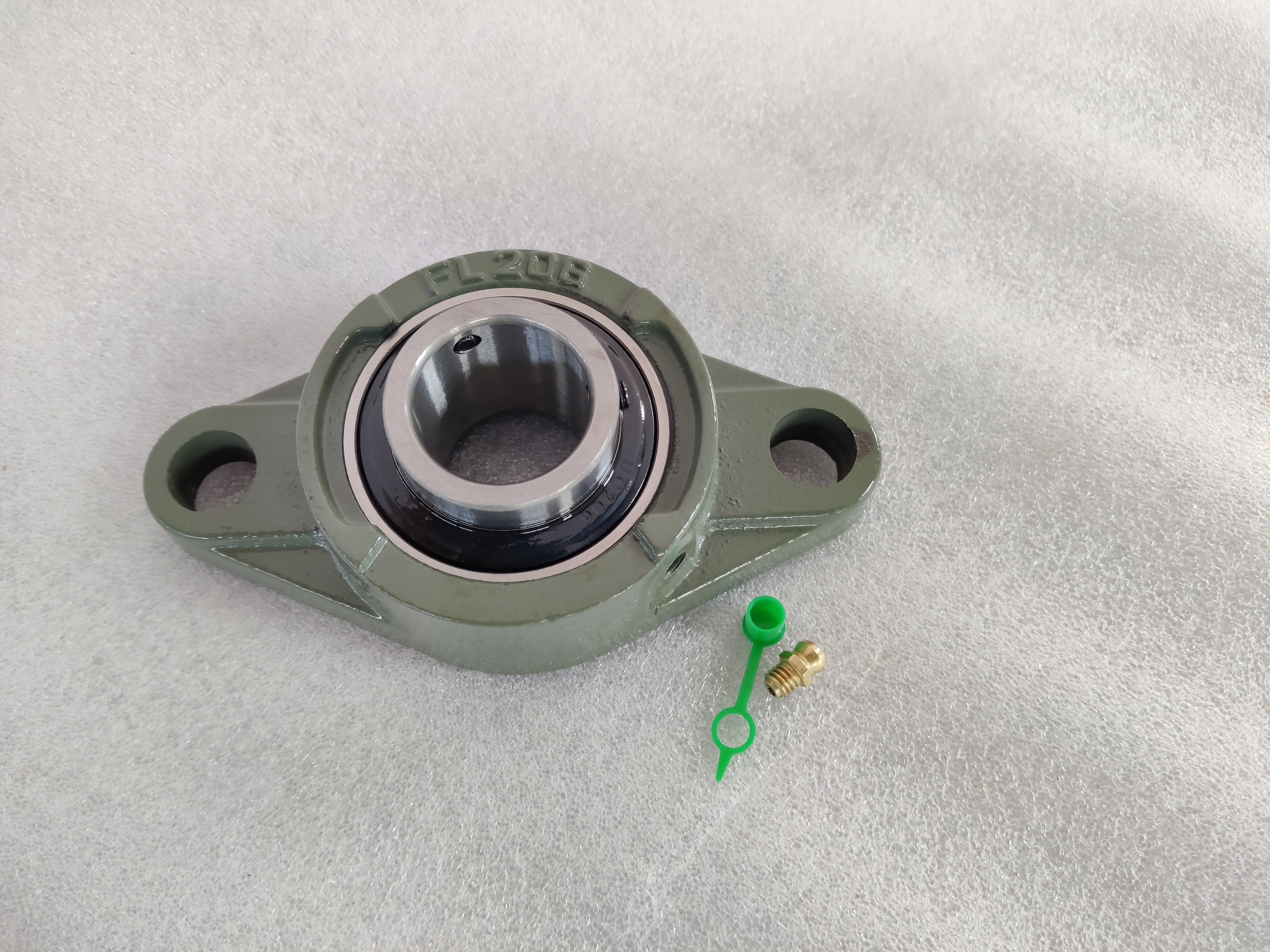
2026-01-30Bearing unit misalignment is a common installation issue that can significantly shorten bearing service life. When the bearing unit centerline is not properly aligned with the shaft axis, the bearing operates under abnormal loads, leading to excessive heat, vibration, noise, and premature wear.
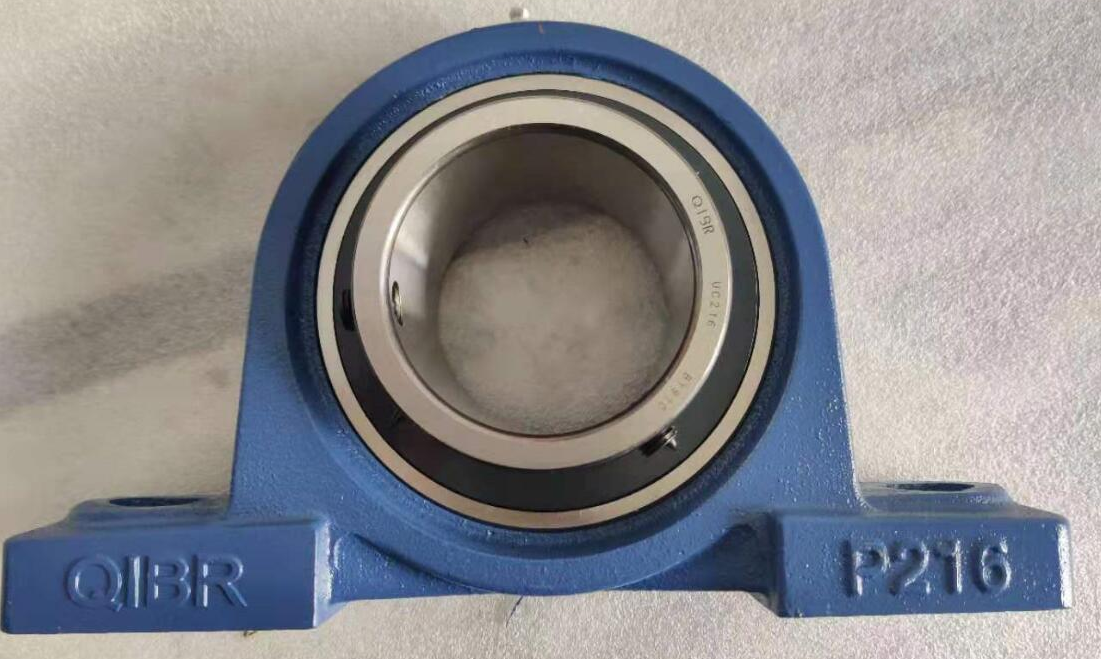
1. Common Causes of Bearing Unit Misalignment
Bearing unit misalignment is usually caused by uneven machine foundations, inaccurate mounting hole positions, structural deformation, or inconsistent reference points during installation. In multi-bearing shaft systems, small deviations between bearing units can accumulate, resulting in shaft offset and unstable operation.
Improper tightening sequences or insufficient surface cleaning during installation may further increase alignment errors.
2. Effective Bearing Unit Alignment Methods
Bearing unit alignment should always be corrected step by step, rather than through forced adjustment.
Typical methods include:
- Shim adjustment under the bearing unit
- Localized re-leveling of the mounting surface
- Synchronous multi-point positioning
- Gradual and uniform bolt tightening
Manual shaft rotation during adjustment helps detect resistance changes and verify correct alignment direction.
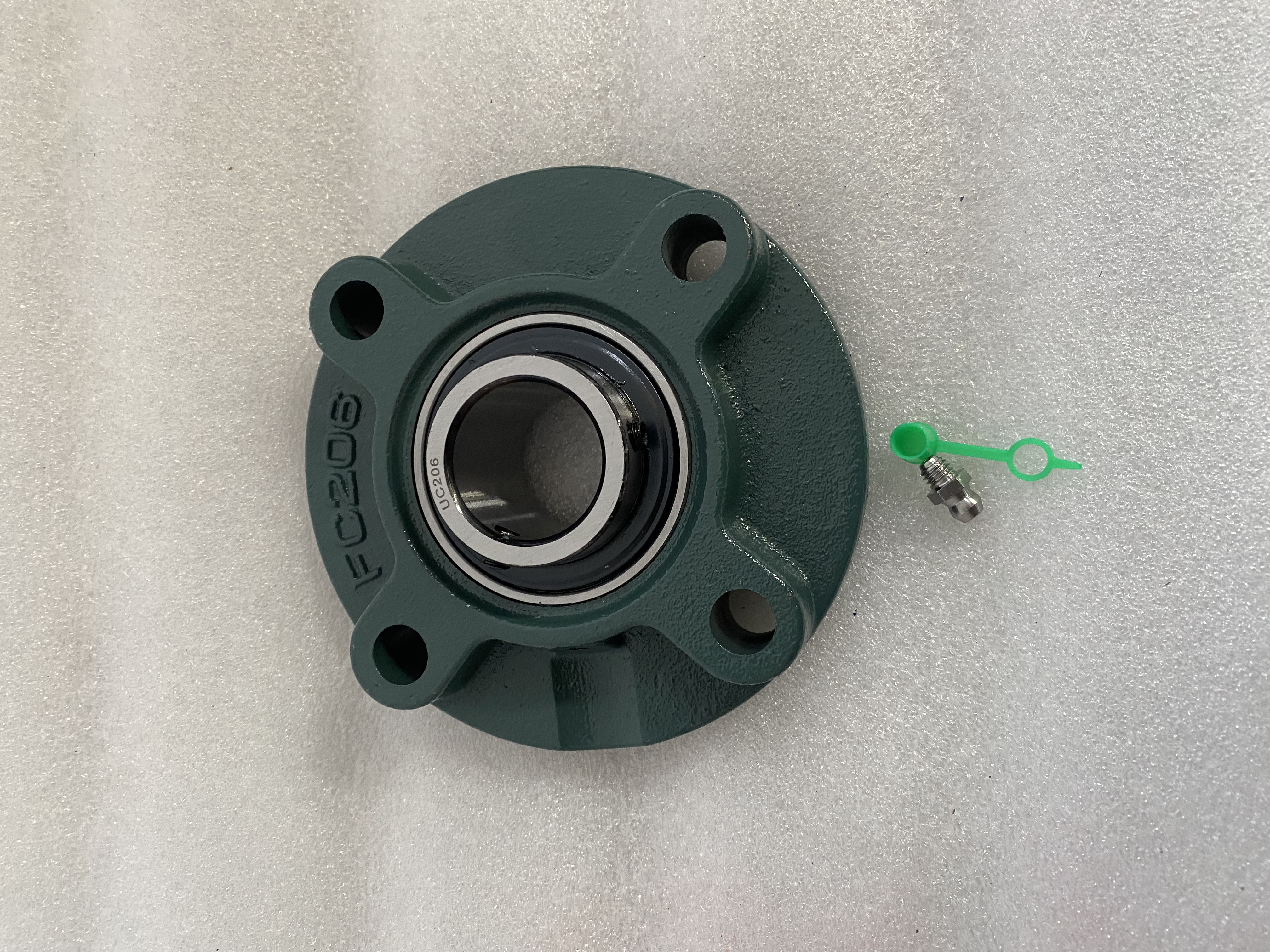
3. Verification After Alignment Adjustment
After alignment correction, the shaft should rotate smoothly without binding or abnormal resistance. A low-speed no-load trial run is recommended to monitor temperature rise, vibration, and noise. Localized overheating or unstable operation indicates remaining misalignment and requires re-adjustment.
Uniform lubrication distribution also confirms proper load conditions within the bearing unit.
4. Why Proper Bearing Unit Alignment Matters
Accurate bearing unit alignment helps to:
- Reduce abnormal bearing loads
- Prevent overheating and early failure
- Improve operational stability
- Extend bearing service life
- Reduce maintenance costs and downtime
5. Conclusion
Bearing unit alignment is a critical factor in bearing installation and equipment performance. By applying progressive adjustment methods and proper verification procedures, bearing unit reliability and service life can be significantly improved—especially in high-load and continuous-operation applications.