Newsroom
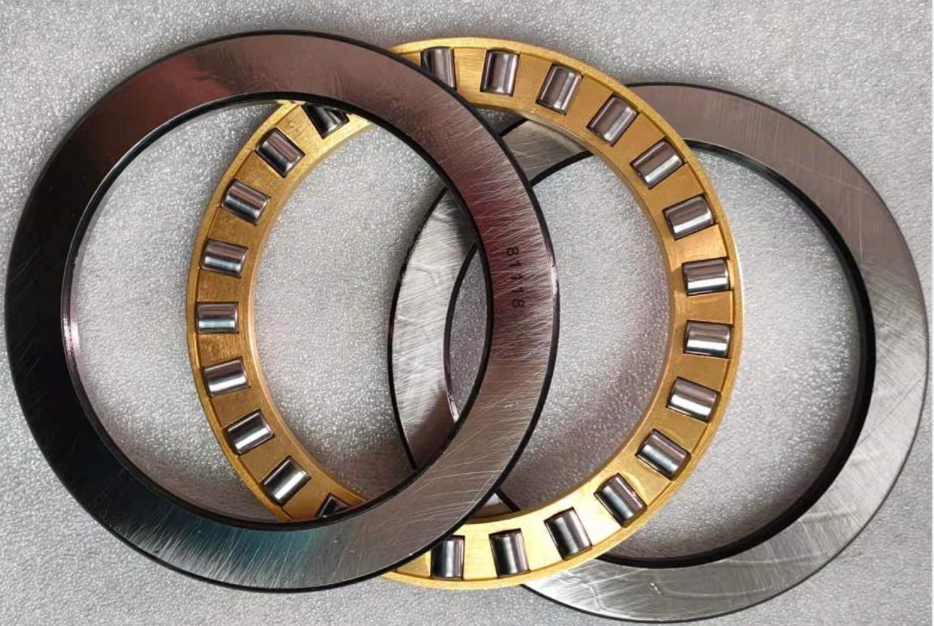
Characteristics and Applications of Thrust Roller Bearings
2026-03-11 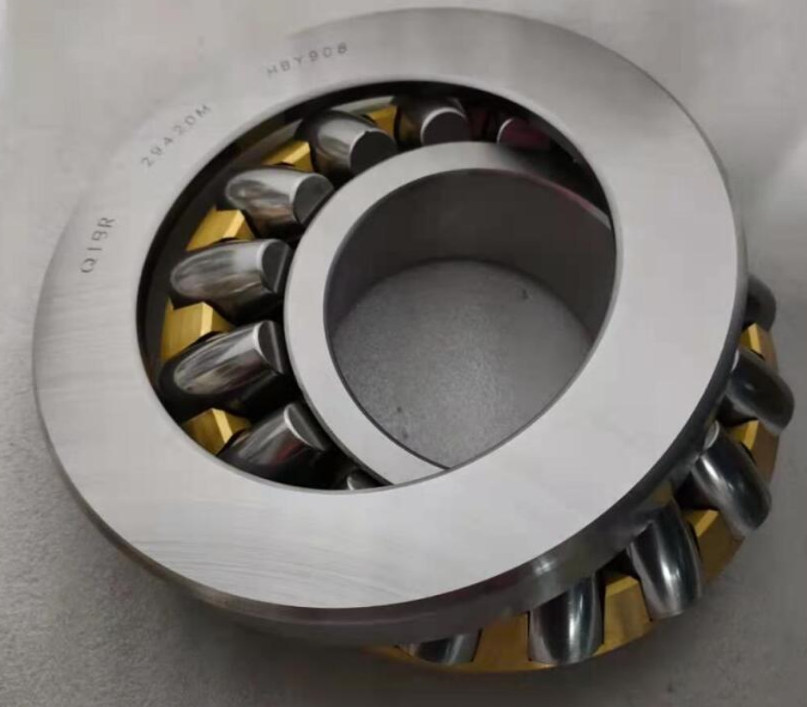 Thrust roller bearings, featuring line contact as their core, have the advantages of extremely high axial load-carrying capacity, strong rigidity, and compact structure. They are the first choice for heavy-load, low-speed axial force-bearing scenarios and are widely used in heavy machinery, energy, metallurgy and other fields.
I. Core Characteristics
1. Load Capacity and Rigidity (Core Advantages)
- Ultra-large axial load: The line contact between the rollers and the raceway results in a much larger force-bearing area than that of thrust ball bearings, significantly improving the axial load-carrying capacity, which can bear heavy loads and impact loads.
- Extremely high axial rigidity: The compact structure can effectively limit axial displacement and ensure the operation accuracy of equipment.
- Weak radial load capacity: Only self-aligning thrust roller bearings can bear a small amount of radial load (≤55% of the axial load), while other types can hardly bear radial force.
2. Structure and Installation
- Mostly separable: The shaft washer, housing washer and roller assembly can be disassembled, making installation, disassembly and maintenance convenient.
- Small space occupation: Compact axial dimension, suitable for heavy-load working conditions with limited space.
3. Rotational Speed and Friction
- Low limit rotational speed: The difference in linear speed at both ends of the rollers leads to sliding friction, resulting in large heat generation and wear, so it is not suitable for high-speed working conditions.
- High lubrication requirements: Oil lubrication is mostly used in heavy-load and low-speed scenarios to ensure cooling and wear reduction.
4. Self-aligning Performance (By Type)
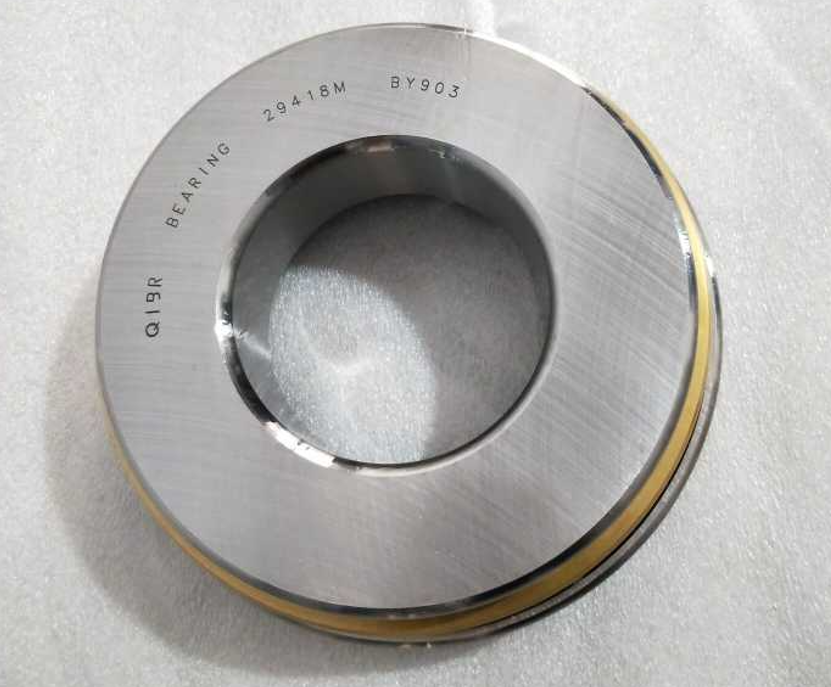
- Self-aligning thrust roller bearings (Type 29000): With spherical raceways and asymmetric spherical rollers, they have self-aligning function and can compensate for installation errors and shaft deflection (allowing angular deviation of 2°~3°).
- Thrust cylindrical/tapered/needle roller bearings: No self-aligning ability, requiring strict installation coaxiality.
II. Comparison of Main Types and Characteristics 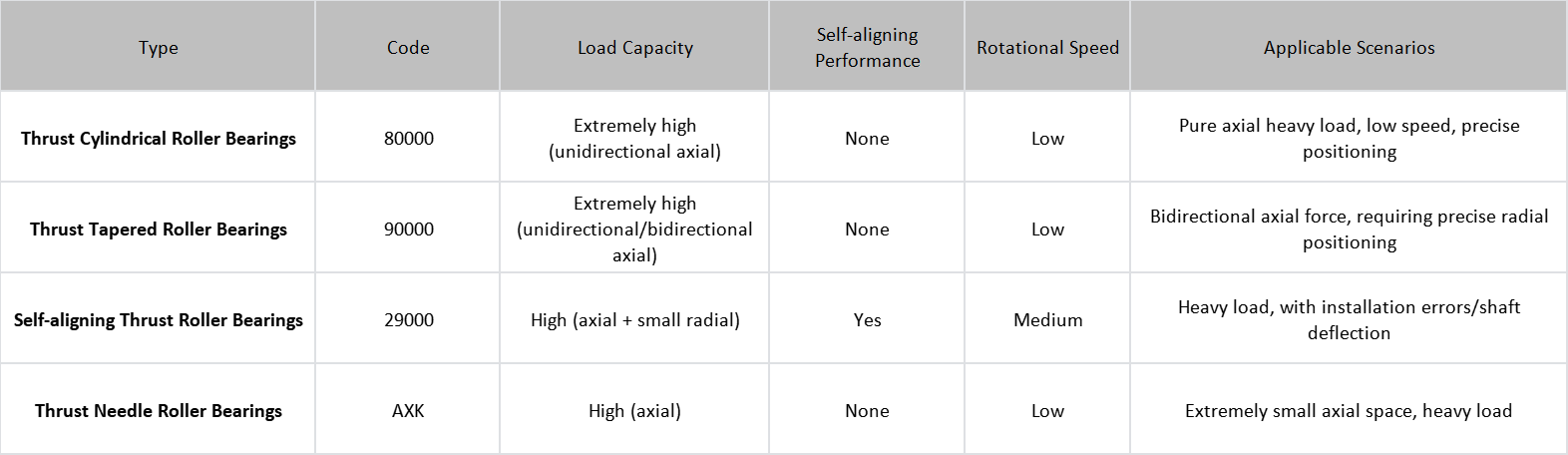
III. Typical Application Fields
1. Heavy Machinery and Mining
- Oil drilling rigs, mining crushers, shield machines, crane hooks, tower cranes: Bear huge axial force and impact.
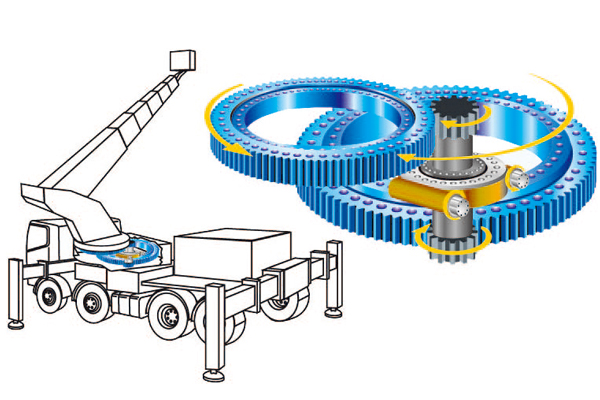
- Construction machinery (excavators, loaders): Axial support for traveling and slewing mechanisms.
2. Energy and Power Generation
- Hydraulic/wind turbines, vertical motors: Bear rotor self-weight and axial thrust.
- Air preheaters and boiler fans in thermal power plants: Axial positioning under high temperature and heavy load.
3. Metallurgy and Steel Rolling
- Steel mill roll necks, continuous casting machines, straightening machines: Bear bidirectional axial force during rolling.
- Steelmaking converters, blast furnace equipment: High temperature, heavy load and impact working conditions.
4. Shipping and Transportation
- Marine propeller shafts, stern tube shafts: Bear propeller thrust and hull vibration.
- High-power marine gearboxes, railway vehicle wheel sets: Axial positioning and heavy-load support.
5. Machine Tools and Precision Equipment
- Heavy-duty CNC lathes, grinders, vertical machining center worktables: Ensure axial accuracy and rigidity.
- Injection molding machines, extruders: Axial load-bearing for clamping and injection mechanisms.
IV. Selection Points
1. Prioritize selecting the type (unidirectional/bidirectional) according to the magnitude and direction of the axial load.
2. When there are installation errors or shaft deflection, select self-aligning thrust roller bearings.
3. When axial space is limited, select thrust needle roller bearings.
4. When the rotational speed is relatively high, select carefully and optimize lubrication (such as forced oil cooling).