Newsroom
Compact Power: Rising Demand for Precision Thrust Ball Bearings in Electric Mobility
As electric mobility and high-efficiency machinery continue to dominate industrial development, thrust ball bearings are gaining renewed attention for their compact structure, high precision, and excellent axial load performance. Once mainly used in traditional mechanical systems, these bearings are now becoming a key component in electric vehicles, e-bikes, robotics, and compact power transmission units.
The Market Shift Toward Compact and Efficient Designs
The rapid rise of the electric mobility sector has accelerated the demand for smaller, lighter, and more efficient bearing solutions.
Unlike deep groove or cylindrical roller bearings, thrust ball bearings are specifically designed to handle axial loads while maintaining minimal friction and high rotational accuracy — qualities that align perfectly with modern electric drive systems.
According to QIBR's recent application data, the use of thrust ball bearings has increased significantly in EV drivetrains, lightweight reducers, and micro motors, where performance, durability, and compactness are critical.
Precision Meets Performance — The QIBR Advantage
QIBR has been at the forefront of this transformation, developing a new generation of precision thrust ball bearings optimized for emerging mobility and automation industries.
Representative models include:
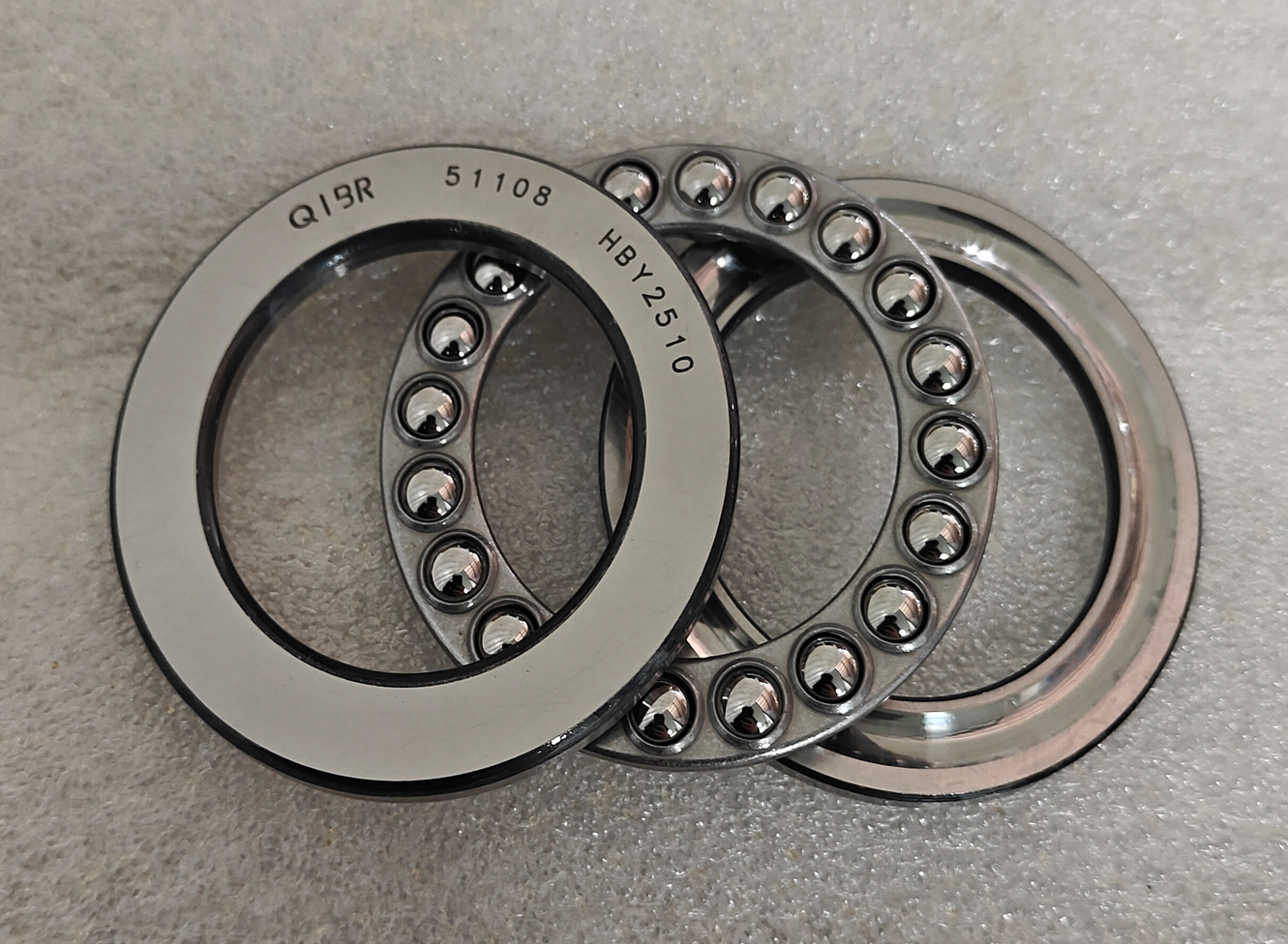
- 51108 — Compact design ideal for small electric drives and e-scooters
- 51206 — Enhanced load capacity for gearbox and motor applications
- 51310 — Double-direction type, designed for precision equipment with dual axial forces
Each bearing is produced using high-purity bearing steel, ultra-fine grinding processes, and optimized lubrication channels, ensuring low noise, stable torque, and extended service life — critical for electric drive systems that operate under continuous load conditions.
Driving Innovation in Electric Mobility
In electric mobility, efficiency is everything. Every watt of power saved from friction reduction contributes to longer range and better performance.
QIBR thrust ball bearings, with their low-friction contact surfaces and optimized internal geometry, help reduce mechanical losses while supporting high-speed, high-precision motion.
They are increasingly used in:
- Electric motors for EVs and hybrid vehicles
- Transmission and reduction systems
- Compact robotic joints and actuators
- Battery cooling and auxiliary pump systems
From Industrial Roots to Future Mobility
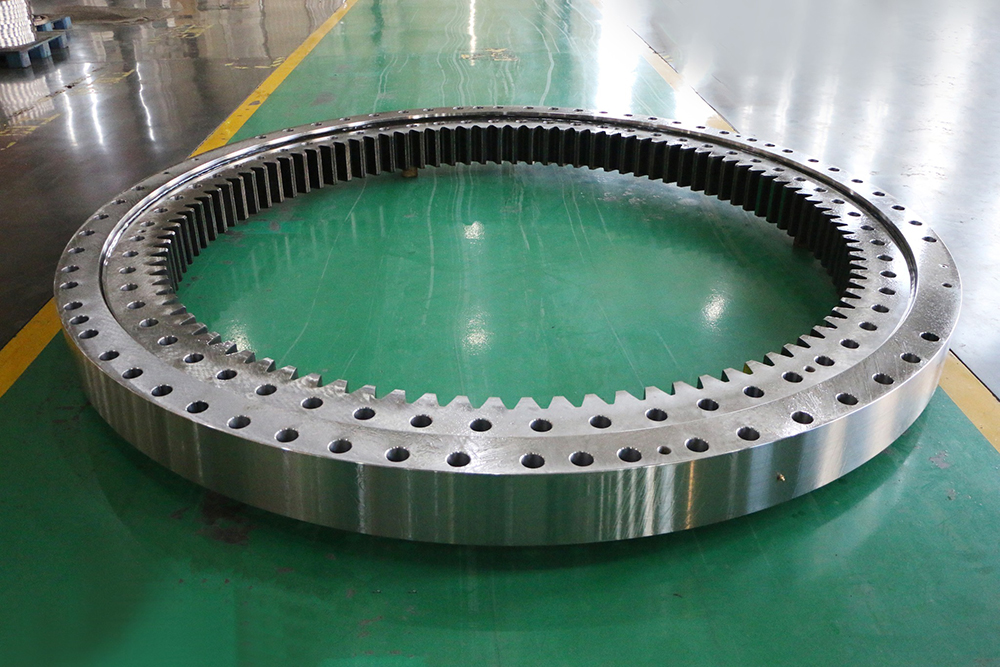
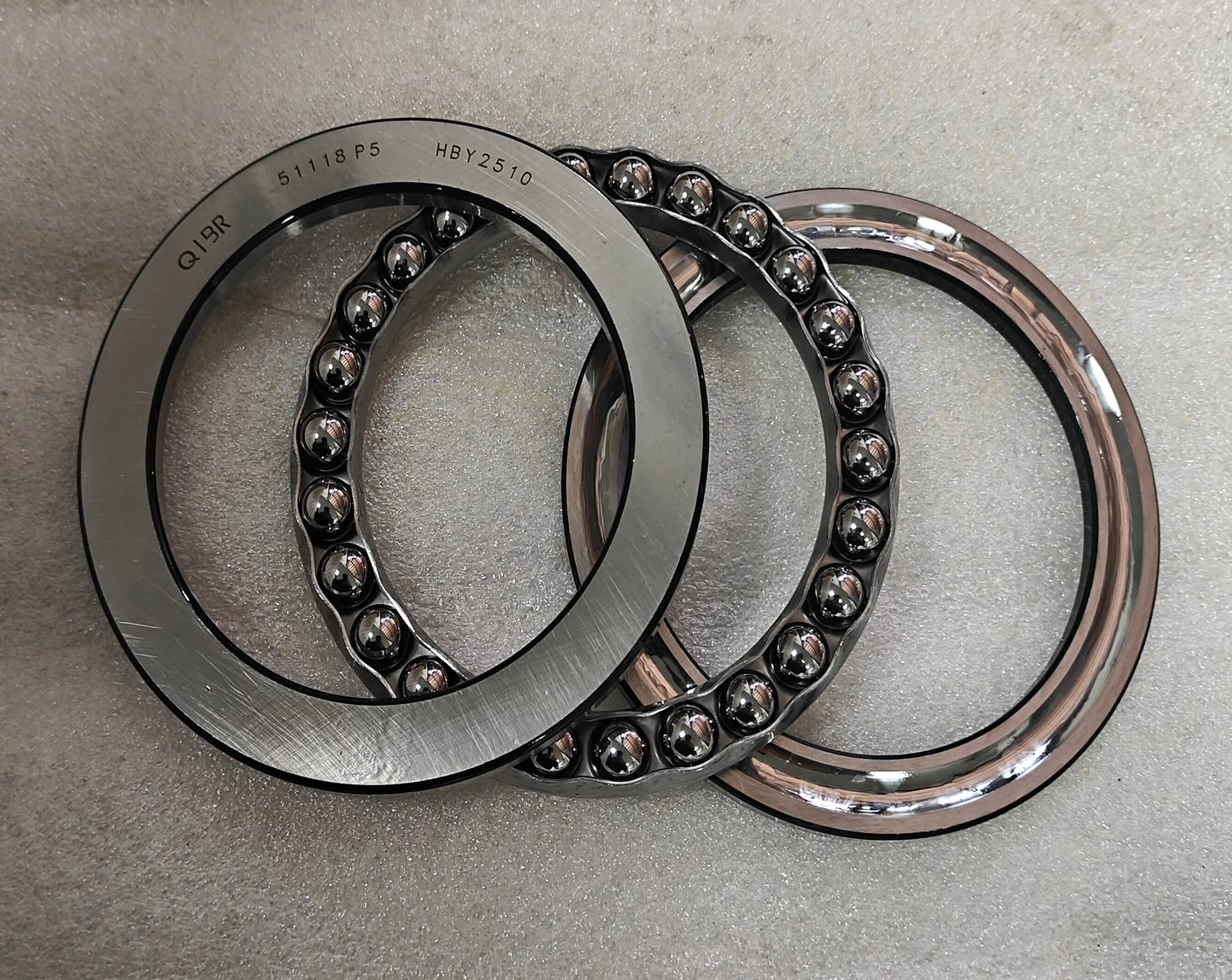
Traditionally, thrust ball bearings served in machine tools, pumps, and heavy-duty machinery.
Now, as industries evolve toward electrification, miniaturization, and precision, their applications are expanding rapidly.
QIBR's R&D engineers continue to refine design parameters — such as contact angle optimization, cage material innovation, and surface finishing — to ensure performance even under vibration, heat, and variable axial loads common in electric mobility environments.
Commitment to Sustainability and Performance
In alignment with global trends toward energy efficiency and sustainable manufacturing, QIBR's production lines for thrust ball bearings integrate automated inspection, green lubrication technologies, and precision surface treatment to minimize energy loss and material waste.
The result is a bearing that not only supports axial precision but also contributes to the environmental goals of next-generation transportation systems.
About QIBR
With decades of expertise in bearing manufacturing and application engineering, QIBR continues to provide global customers with high-precision, low-noise, and durable bearing solutions for modern industries.
From traditional machinery to electric mobility and automation, QIBR's thrust ball bearings are driving innovation — one revolution at a time.