Newsroom
Effects of Load on the Service Life of Deep Groove Ball Bearings
2026-03-25 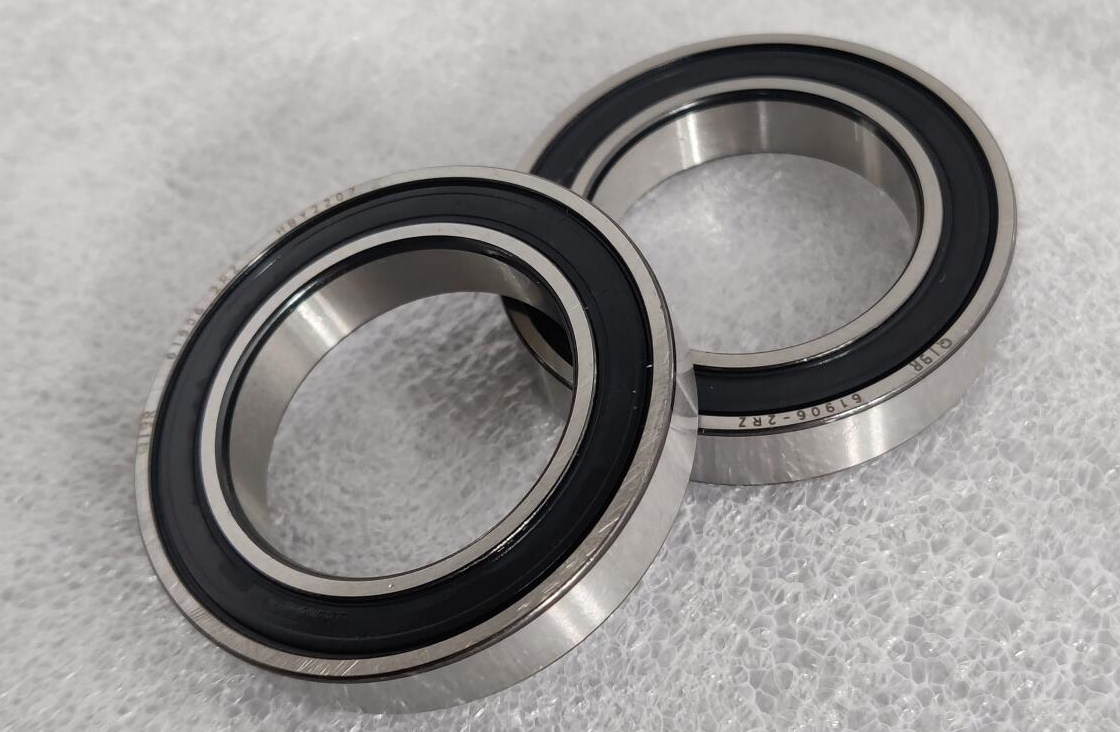 Load is the most critical factor determining the service life of deep groove ball bearings, following a cubic inverse relationship (life exponent p=3 for ball bearings). The greater the load, the more drastically the service life shortens.
1. Core Life Formula (ISO 281)
L10 = (C/P)3
- L10: Basic rating life (millions of revolutions, 90% reliability)
- C: Basic dynamic load rating (inherent capacity of the bearing)
- P: Equivalent dynamic load (actual combined load, P=XFr+YFa)
- p=3: Life exponent for ball bearings (high sensitivity to load)
2. Specific Mechanisms of Load Impact on Service Life
(1) Contact Stress and Fatigue Pitting (Primary Failure Mode)
Increased load → higher Hertzian contact stress between rolling elements and raceways → higher cyclic stress in material surface layers → accelerated initiation and propagation of fatigue cracks → premature pitting and spalling.The maximum rolling element load dominates the life; under heavy load, uneven load distribution causes local stress far exceeding the average, becoming the life bottleneck.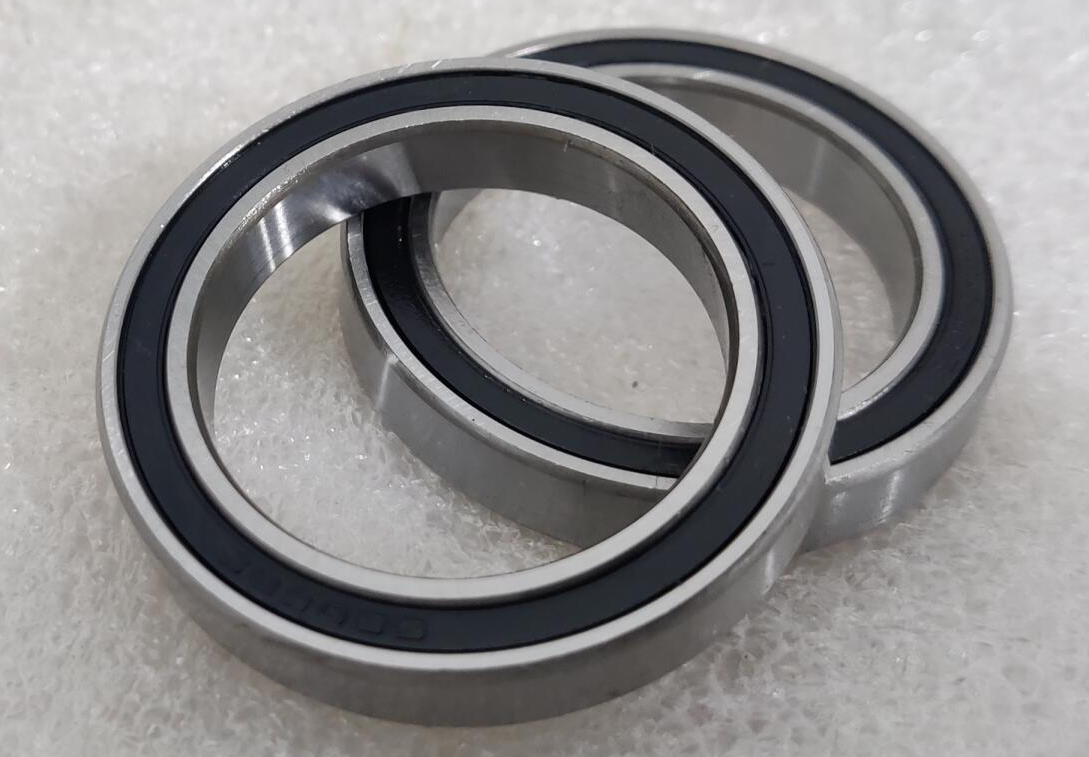
(2) Differential Effects of Load Types
Radial load Fr: Primary load type for deep groove ball bearings. Higher Fr → higher P → lower L10 (cubic inverse ratio).
Axial load Fa:
- Fa/Fr≤e(e≈0.22): Small axial influence, P≈Fr.
- Fa/Fr>e: Axial load must be considered (P=XFr+YFa), leading to a significant increase in P and sharp reduction in life.
Shock / alternating load:
- Shock load factor fd>1, further amplifying P.
- Alternating load accelerates material fatigue, resulting in shorter life than static load of the same magnitude.
(3) Chain Failures Caused by Load
- Lubrication failure: Heavy load → easy rupture of oil film in contact zone → direct metal-to-metal contact → increased friction and wear → elevated temperature → accelerated degradation of grease/oil → avalanche-like decline in service life.
- Plastic deformation: Overload → indentations on raceways/rolling elements → increased vibration and noise, stress concentration → premature failure.
- Cage damage: Heavy load/shock → excessive cage stress → wear and fracture → rolling element seizure → bearing lockup.
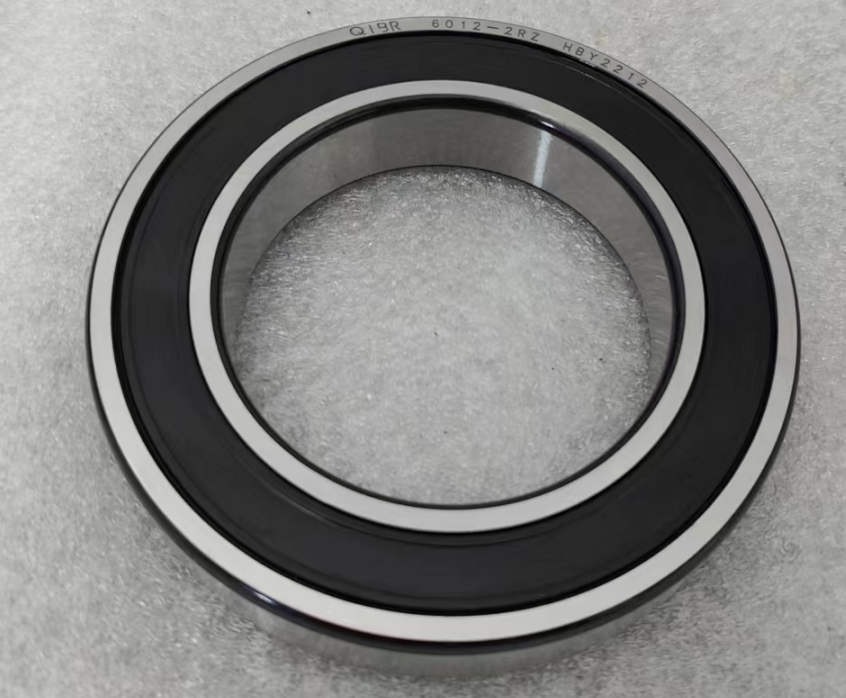
(4) Negative Effects of Light / Insufficient Load
Excessively low load → sliding of rolling elements (non-pure rolling) → increased friction and wear → reduced service life.
Minimum recommended load: generally ≥ 0.01C to ensure pure rolling and stable oil film.
3. Quantitative Relationship Between Load and Life 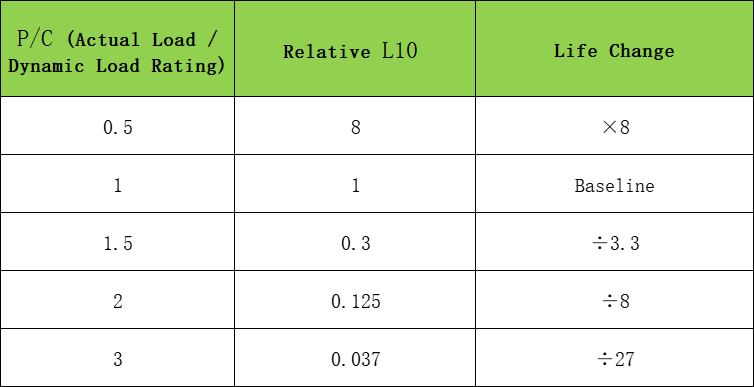
4. Engineering Application Guidelines
- Selection principle: Calculate P per actual working conditions, ensure P≤0.5C with safety margin, avoiding long-term operation near or exceeding C.
- Load balancing: Optimize shaft system design to reduce eccentric load and shock, ensuring uniform load distribution.
- Minimum load assurance: Use preloading in light-load applications to prevent sliding wear.
- Life correction: Adjust L10 using correction factors a1, a2, a3 considering lubrication, contamination, temperature, etc., to obtain actual service life.