Newsroom
Effects of Loose Outer Ring in Deep Groove Ball Bearings
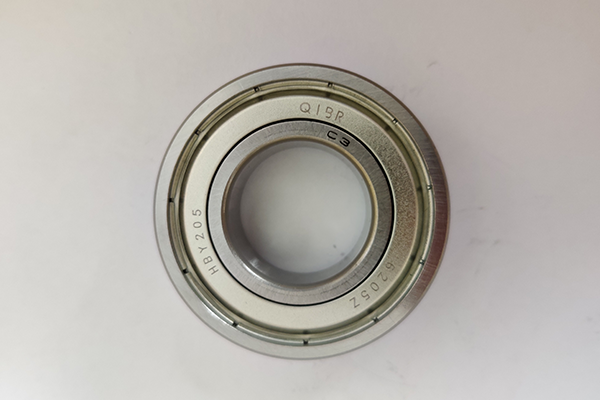
2026-01-09A loose outer ring in a deep groove ball bearing—meaning excessive clearance between the bearing outer ring and the housing bore—is a common but serious installation issue. This problem can significantly affect bearing performance, operating stability, and service life. Understanding its causes, consequences, and preventive measures is essential for ensuring reliable equipment operation.
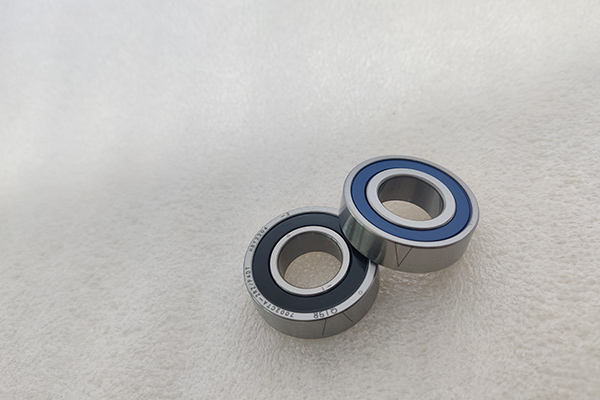
I. What Is Outer Ring Looseness in Deep Groove Ball Bearings?
Outer ring looseness occurs when the fit between the bearing outer ring and the housing bore is too loose, allowing relative movement during operation. Instead of remaining firmly seated, the outer ring may slide or creep inside the housing under load and vibration.
This condition is typically caused by:
- Incorrect fit selection (using a clearance fit instead of a transition or interference fit)
- Oversized or worn housing bores
- Poor machining accuracy of the bearing seat
- Repeated bearing replacement without repairing a damaged housing
1. Increased Vibration, Noise, and Fretting Wear
Outer Ring Sliding and Creep
During operation, deep groove ball bearings are subjected to continuous radial loads. If the outer ring is not properly fitted, alternating loads and vibrations can cause micro-sliding or creep between the outer ring and the housing bore.
Abnormal Vibration and Noise
This relative movement generates friction and impact forces, leading to:
- Abnormal vibration
- Irregular running behavior
- Increased mechanical noise
These symptoms are often early warning signs of improper bearing installation.
Fretting Wear Damage
Micro-movements between the mating surfaces cause fretting wear. This results in:
- Surface damage on the outer ring and housing bore
- Formation of oxidized debris, often visible as reddish-brown powder
- Progressive deterioration of the fit surfaces
- Over time, fretting wear further enlarges the clearance, accelerating bearing failure.
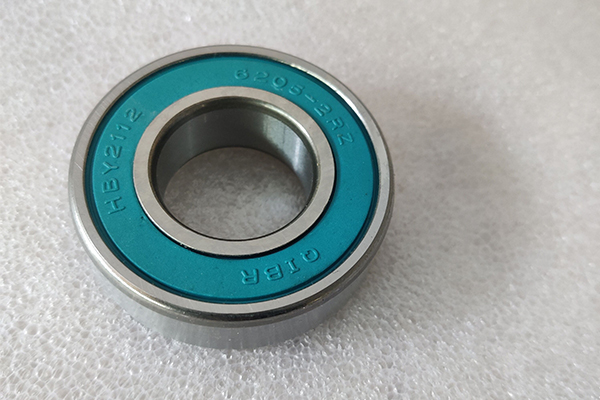
2. Uneven Load Distribution and Reduced Bearing Life
Load Concentration on Raceway
Deep groove ball bearings rely on a stable outer ring position to evenly distribute loads along the raceway. When the outer ring is loose:
- Load distribution becomes uneven
- Stress concentrates in localized areas of the raceway
Accelerated Fatigue Failure
Excessive localized stress dramatically increases contact fatigue, leading to:
- Early spalling of the raceway
- Premature bearing failure
- Actual bearing life far below the calculated rating life
This is one of the most critical consequences of outer ring looseness.
Changes in Internal Clearance
Outer ring instability can also affect the bearing’s internal clearance. Misalignment of internal geometry disrupts ball motion paths, reducing running accuracy and operational stability.
3. Impact on Housing Accuracy and Maintenance Costs
Continuous sliding and wear damage the housing bore’s:
- Diameter tolerance
- Roundness
- Surface finish
Once the housing bore is worn, simply replacing the bearing will not solve the problem. This leads to repeated failures, increased downtime, and higher maintenance costs.
4. Corrective Actions and Preventive Measures
Immediate Corrective Actions
Outer ring looseness is a serious fault and should not be ignored. Once detected:
- Stop the equipment immediately
- Inspect the bearing housing for wear or deformation
- Repair the housing bore by sleeving or re-machining, or replace the housing if necessary
- Install a new bearing only after restoring proper fit accuracy
Preventive Measures
To prevent outer ring looseness:
- Select the correct fit type according to operating load and conditions
- Use a transition fit or light interference fit for the outer ring in most applications
- Measure the housing bore precisely using an inside micrometer
- Follow bearing manufacturer installation and tolerance recommendations strictly
II. Conclusion
The A loose outer ring in a deep groove ball bearing can cause vibration, fretting wear, uneven load distribution, and a significant reduction in bearing fatigue life. The root cause lies in the loss of geometric stability and improper fit between the bearing and the housing. Proper housing repair and accurate fit control are essential for ensuring long-term bearing reliability and stable equipment operation.