Newsroom
High-Temperature Performance of Deep Groove Ball Bearings
2025-12-19As one of the most widely used basic bearing types, the high-temperature performance of deep groove ball bearings directly affects their reliability and service life in elevated-temperature environments. From a mechanical engineering design perspective, this article analyzes the high-temperature performance of deep groove ball bearings from three key aspects: material selection, design optimization, and application scenarios.
1. Material Selection: The Foundation of High-Temperature Performance
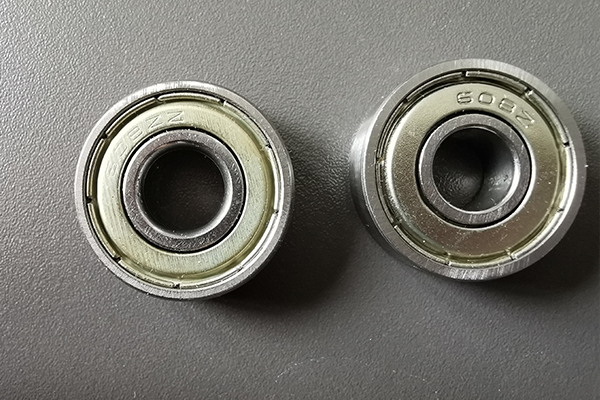
The high-temperature capability of deep groove ball bearings primarily depends on material selection. During the design process, mechanical engineers must carefully evaluate the following material characteristics:
- Bearing Steel
Standard bearing steels (such as GCr15) typically operate at temperatures up to approximately 120 °C. At higher temperatures, they may experience hardness reduction and dimensional instability. For high-temperature applications, special bearing steels such as M50 or Cronidur® 30 are preferred, as they can withstand operating temperatures of 200 °C or even higher.
- Cage Materials
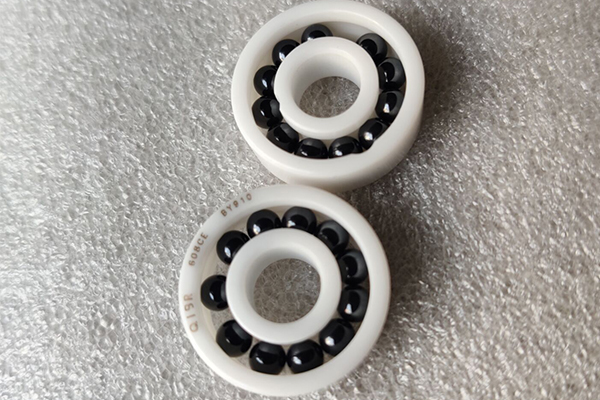
Bearing cages are particularly susceptible to deformation or failure at elevated temperatures. Engineers often select high-temperature-resistant cage materials such as glass-fiber-reinforced polyamide (PA66-GF), stainless steel, or special alloys to ensure structural stability under high-temperature conditions.
- Lubricants
Elevated temperatures accelerate lubricant oxidation and degradation. Therefore, high-temperature greases or solid lubricants (such as molybdenum disulfide or graphite) are commonly used to reduce friction and extend bearing service life.
2. Design Optimization: Key Measures to Enhance High-Temperature Performance
Beyond material selection, mechanical engineers further improve the high-temperature performance of deep groove ball bearings through targeted design optimizations:
- Internal Clearance Design
High temperatures cause thermal expansion of bearing components. An increased internal clearance is often required to prevent bearing seizure or excessive load caused by thermal expansion.
- Heat Treatment Processes
Specialized heat treatment methods, such as high-temperature tempering or surface carburizing, enhance the hardness and fatigue resistance of bearing steel, ensuring stable mechanical performance even under high-temperature operating conditions.
- Sealing Design
High-temperature environments are often accompanied by dust, moisture, and other contaminants. Optimized sealing solutions—such as contact or non-contact seals—help prevent contamination ingress while minimizing lubricant loss.
3. Application Scenarios: Reliability Validation in High-Temperature Environments
The high-temperature performance of deep groove ball bearings has been widely validated in practical applications, including:
- Sealing Design
Motors operating in high-temperature environments, such as those used in metallurgical and chemical equipment, subject bearings to both elevated temperatures and high rotational speeds.
- Automotive Components
Components near engines, including turbochargers and water pumps, operate at high temperatures and require bearings with excellent thermal resistance and fatigue performance.
- Aerospace Applications
Bearings used in aircraft engines and auxiliary systems must operate reliably under extreme temperatures and high-speed conditions, placing exceptionally high demands on thermal performance.
4. Conclusion
The high-temperature performance of deep groove ball bearings results from the combined effects of material selection, design optimization, and application-specific requirements. Mechanical engineers must carefully evaluate the influence of elevated temperatures on bearing behavior and apply appropriate material choices, structural designs, and lubrication solutions to ensure reliability and long service life. With continuous advancements in materials science and manufacturing technologies, the high-temperature capabilities of deep groove ball bearings will continue to improve, enabling their use in an even wider range of demanding high-temperature applications.