Newsroom
How to Prevent Bearing unit Bolts from Loosening and Falling Off?
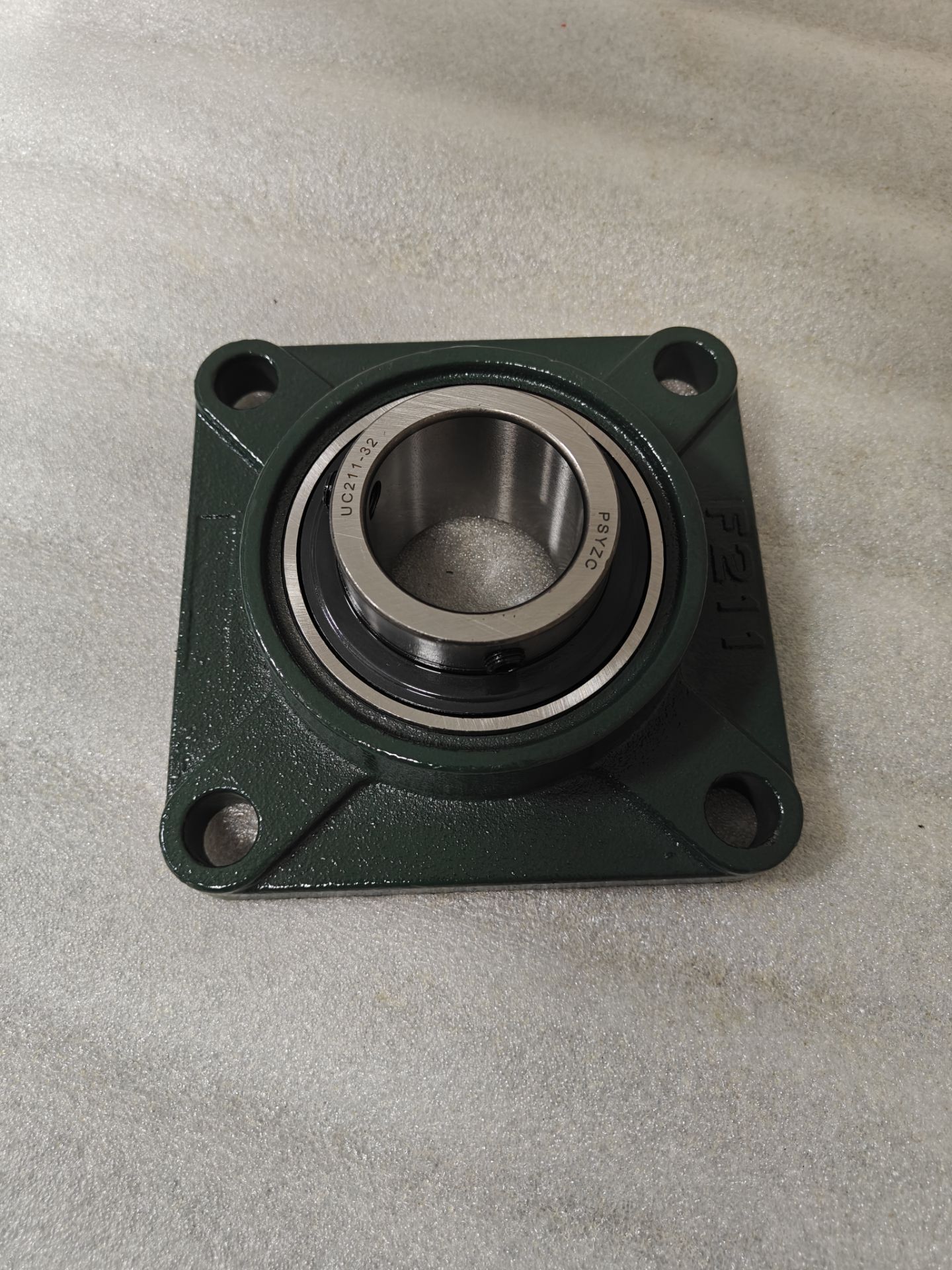
2026-01-23Bearing unit bolts are prone to loosening or even falling off under long-term vibration or uneven loading. If not addressed in time, this may cause bearing unit displacement, shaft misalignment, increased vibration, premature bearing failure, and even unexpected equipment shutdowns.
Effective bolt loosening prevention relies on proper locking methods, correct preload control, stable contact surface friction, and standardized installation procedures. Combined with regular inspection, these measures ensure that the bearing unit remains securely fixed and maintains overall operating accuracy.
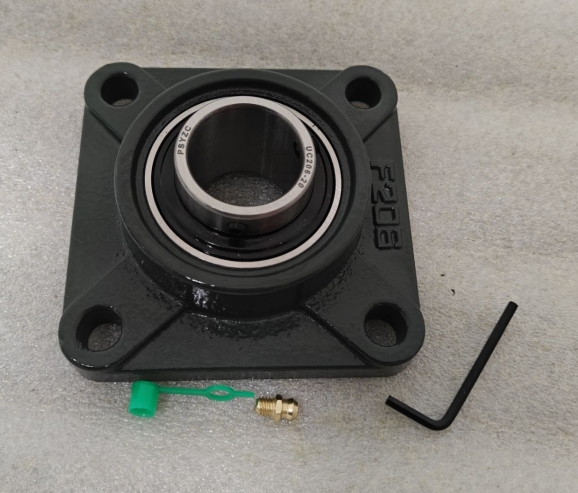
1. Causes and Risks of Bolt Loosening
During operation, bearing units are subjected to continuous vibration and cyclic impact loads. If the bolt preload is insufficient, micro-gaps can form at the contact surfaces, causing gradual bolt loosening.
Temperature fluctuations are another key factor. Differences in thermal expansion between bolts and surrounding components can lead to uneven stress distribution, reducing clamping force over time.
In addition, rough or contaminated mounting surfaces may undergo plastic settlement after tightening, further decreasing preload. Prolonged bolt loosening can result in bearing unit displacement, internal clearance changes, uneven raceway wear, and increased noise and vibration.
Common causes include:
- Insufficient preload
- Thermal expansion differences
- Contact surface settlement
2. Proper Locking Methods for Bearing Unit Bolts
Bolt anti-loosening methods can generally be divided into mechanical locking and friction locking.
Mechanical locking methods use structural elements such as positioning features or locking components to improve resistance to loosening.
Friction locking methods increase friction at the contact surfaces to keep the bolts securely tightened.
During installation, it is essential to apply uniform preload to avoid local over-tightening that may deform the mounting surface. For applications involving continuous vibration, double nuts or clamping structures are recommended to prevent thread loosening caused by micro-movements.
As part of routine maintenance, bolt torque should be regularly checked to ensure preload remains stable and does not decay during long-term operation.
Key measures include:
- Mechanical locking structures
- Increased friction at interfaces
- Regular torque inspection
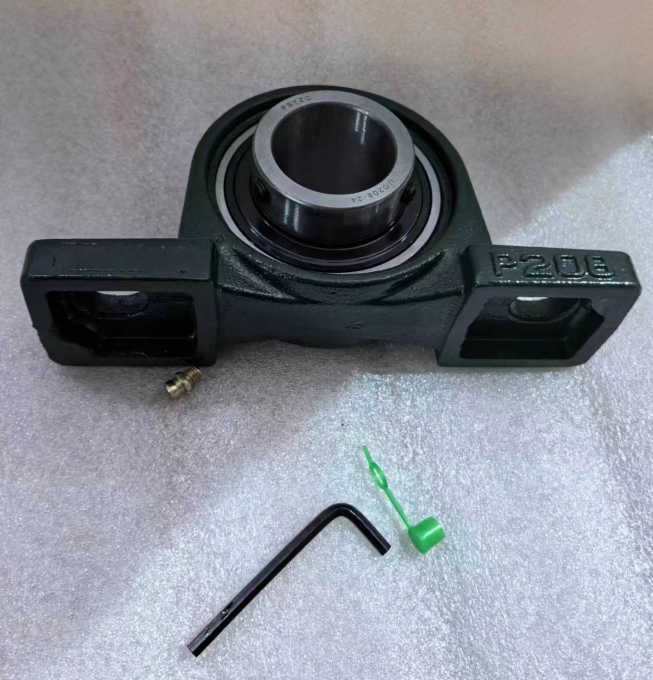
3. Installation Process and Operational Management
Improving installation procedures is a critical step in preventing bolt loosening. Before installation, all contact surfaces should be thoroughly cleaned to remove oil, dirt, and debris, ensuring a stable and predictable friction coefficient.
The flatness of the bearing unit mounting surface should also be inspected to prevent uneven bolt loading. During operation, vibration and temperature trends should be monitored. If abnormal vibration is detected, bolt tightness should be checked immediately.
In periodic maintenance, the use of thread-locking compounds can help maintain long-term stability. However, the appropriate type should be selected based on operating temperature to avoid performance degradation at high temperatures.
Best practices include:
- Clean contact surfaces
- Inspect mounting surface flatness
- Use suitable thread-locking compounds
4. Conclusion
Preventing bearing unit bolt loosening requires comprehensive control of preload force, locking structure, installation quality, and operational maintenance. By combining proper locking methods with regular inspection and condition monitoring, bolt loosening and detachment can be effectively avoided, ensuring long-term stable and reliable equipment operation.