Newsroom
How to Prevent Surface Corrosion in Deep Groove Ball Bearings?
2026-04-17Surface corrosion in deep groove ball bearings can significantly reduce performance and service life. Once corrosion occurs, it not only damages the raceway surface finish but also disrupts the lubrication film, leading to accelerated fatigue failure.
Corrosion is typically caused by moisture, water vapor, acidic contaminants, and chemical reactions resulting from lubricant degradation. To effectively prevent corrosion, it is essential to implement a comprehensive strategy involving sealing design, material selection, lubrication management, and environmental control.
1. Corrosion Mechanism and Common Causes
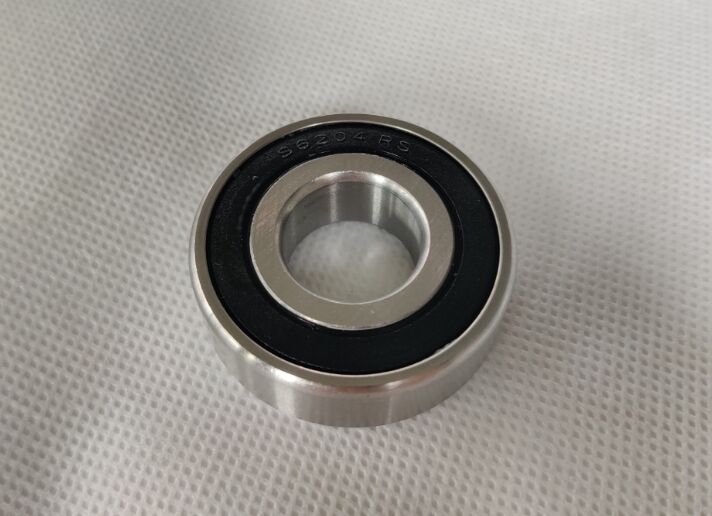
The raceways and rolling elements of deep groove ball bearings are precision-machined surfaces. When exposed to moisture or chemical contaminants, corrosion spots can form, creating discontinuities between the metal surface and the lubricant film.
Common causes include:
- Moisture ingress: Humidity or water vapor entering the bearing
- Lubricant degradation: Oxidation or aging leading to acidic by-products
- Condensation corrosion: Moisture condensation during equipment shutdown
- Contaminant intrusion: Dust and water entering due to inadequate sealing
In high-humidity environments or low-temperature conditions, condensation is more likely to occur when equipment stops running. Poor storage conditions can further accelerate corrosion and lead to pitting on the raceway over time.
2. Sealing and Lubrication: Key Prevention Measures
In addition to lubrication oil, bearing grease is also widely used, especially in applications where relubrication is difficult.
Effective Sealing
Proper sealing is the first line of defense against corrosion. Selecting the right sealing structure helps prevent moisture and contaminants from entering the bearing. High-performance seals (such as double-lip designs) provide enhanced protection in harsh environments.
Lubrication Management
Lubricants serve not only to reduce friction but also to protect against corrosion. To ensure optimal performance:
- Regularly monitor lubricant condition and water content
- Replace degraded or contaminated lubricants in time
- Use anti-corrosion greases or oils for long-term protection
For equipment that remains idle for extended periods:
- Apply rust-preventive lubricants
- Run the bearing at low speed periodically to re-establish the oil film
- Avoid leaving volatile cleaning agents on bearing surfaces, as residues may accelerate corrosion
3. Material Treatment and Environmental Control
Surface Protection
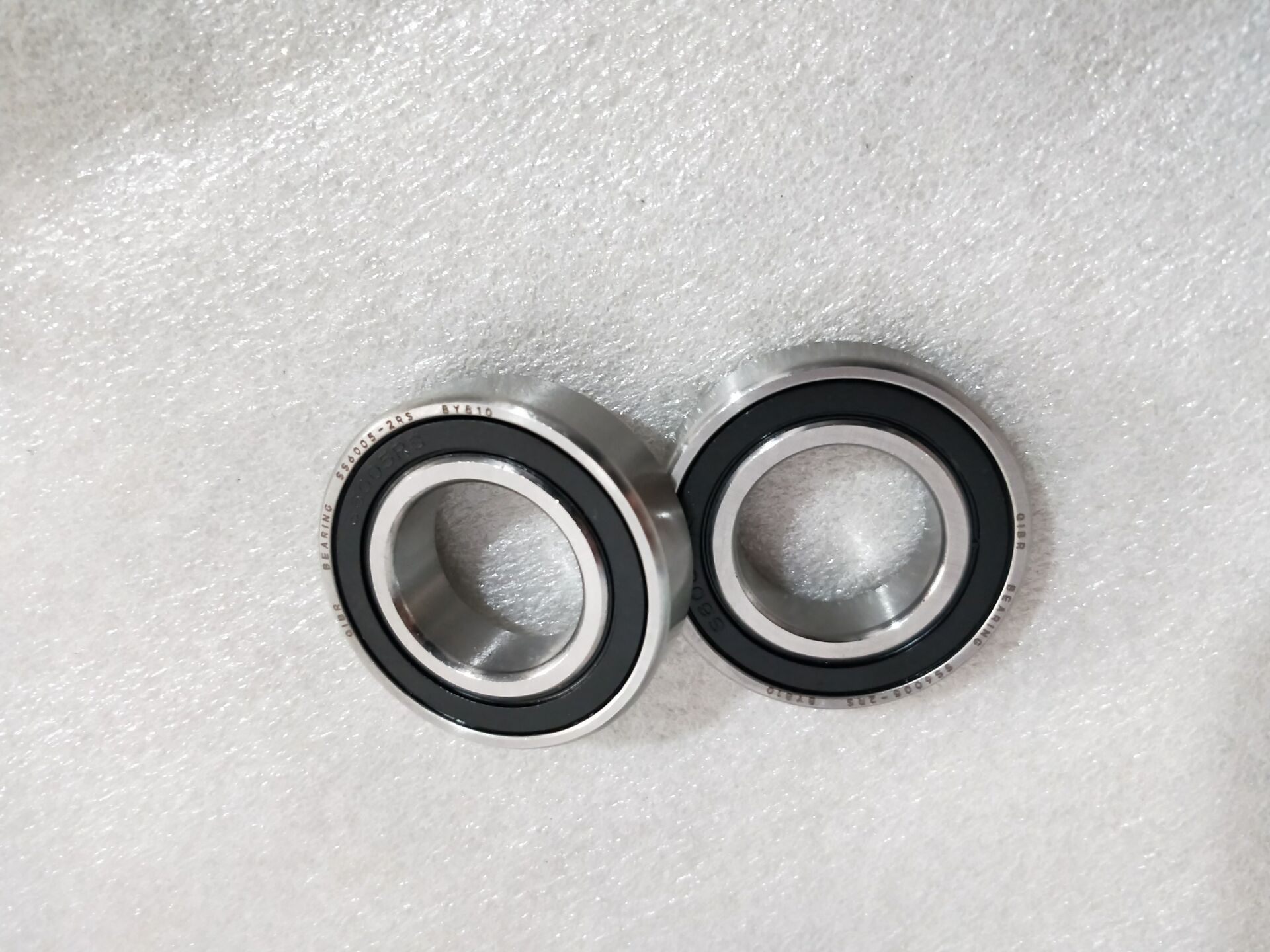
In corrosive or high-humidity environments, bearings with special surface treatments or anti-corrosion coatings can significantly improve resistance to chemical attack.
Storage and Operating Environment
Environmental management plays a critical role in corrosion prevention:
- Store bearings in dry, humidity-controlled conditions
- Avoid large temperature fluctuations to prevent condensation
- Improve ventilation or use desiccants in enclosed spaces
If the application involves exposure to acidic liquids or corrosive gases:
- Prevent direct exposure of bearings
- Regularly inspect and replace seals and lubricants
- Maintain a complete corrosion protection system
4. Conclusion
Preventing surface corrosion in deep groove ball bearings requires a multi-faceted approach. Sealing integrity, proper lubrication, environmental control, and material selection must all work together.
Any weakness in these areas can lead to corrosion initiation and ultimately reduce bearing life. By combining optimized design with proper maintenance practices, the service life of bearings can be significantly extended.