Newsroom
Which Anti-Corrosion Coating Is Best for Bearing Units?
2026-02-06Choosing the right anti-corrosion coating for bearing units depends on the severity of the corrosive environment, the type of chemical exposure, and the required mechanical durability. A properly selected coating system can significantly extend bearing unit service life, reduce maintenance costs, and ensure stable equipment operation.
For general outdoor or humid industrial environments, an epoxy zinc-rich primer combined with a polyurethane topcoat is a cost-effective and reliable solution. In highly corrosive or chemically aggressive environments, heavy-duty anti-corrosion coatings, such as high-performance epoxy systems or fluorocarbon coatings, are required to provide long-term protection.
The core principles of coating selection are: matching the environment, ensuring strong adhesion, and guaranteeing sufficient coating thickness.
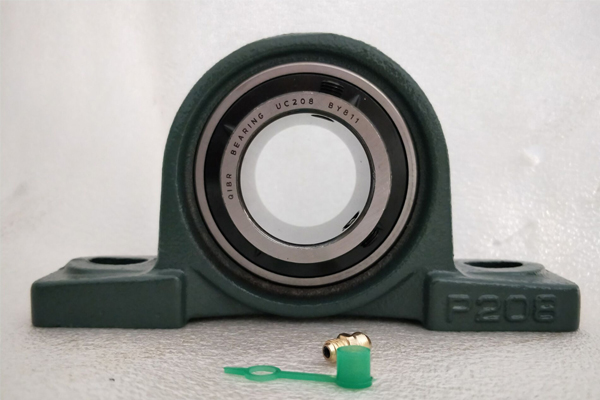
1. Standard Industrial Environments and Basic Anti-Corrosion Coatings
i. Epoxy Zinc-Rich Primer System
For most cast iron or cast steel bearing units used in industrial applications, a zinc-based primer is the foundation of corrosion protection.
Improper tightening sequences or insufficient surface cleaning during installation may further increase alignment errors.
- Cathodic (Sacrificial Anode) Protection
Epoxy zinc-rich primers contain a high percentage of zinc powder, which provides electrochemical sacrificial protection. If the coating is locally damaged, the zinc corrodes preferentially, protecting the steel substrate from rust and offering excellent anti-corrosion performance.
- Excellent Adhesion to Metal Substrates
Epoxy-based primers bond strongly to metal surfaces, forming a stable base layer that ensures the long-term integrity of the entire coating system.
ii. Polyurethane Topcoat for Weather Resistance
Polyurethane topcoats are commonly applied over zinc-rich primers to enhance durability.
UV and Weather Resistance: Polyurethane coatings offer excellent resistance to ultraviolet radiation, sunlight exposure, and weathering. They prevent chalking of the primer layer and provide an attractive, durable surface finish.
This two-layer coating structure is an economical and widely used solution for outdoor, humid, and general industrial environments.
2. Heavy-Duty Anti-Corrosion Coatings for Harsh Environments
i. High-Performance Epoxy Coatings
In environments exposed to acids, alkalis, solvents, high humidity, or marine conditions—such as chemical plants, offshore facilities, or wastewater treatment plants—standard coatings are insufficient.
- Thick-Film Protection
High-solids, thick-film epoxy coatings extend the time required for corrosive media to penetrate the coating and reach the substrate, significantly improving corrosion resistance.
- Excellent Chemical Resistance
Specially modified epoxy formulations provide strong resistance to chemical permeation, effectively withstanding aggressive liquids and vapors.
ii. Fluorocarbon Coatings for Ultra-Long Service Life
For critical bearing units requiring exceptional durability and a service life exceeding 20 years, fluorocarbon coatings are an ideal choice.
Outstanding Weatherability: Fluorocarbon coatings feature extremely stable chemical bonds, delivering superior resistance to UV radiation, acid rain, pollution, and color fading. They provide maximum protection for the underlying epoxy anti-corrosion layers.

3. Coating Application Requirements and Quality Assurance
i. Proper Surface Preparation Is Critical
Regardless of the coating system selected, surface preparation is the most decisive factor affecting corrosion protection performance.
- Surface Cleanliness
Bearing units must be thoroughly cleaned using sandblasting or shot blasting to remove rust, mill scale, oil, grease, and old coatings. The surface should meet the specified cleanliness standards (e.g., Sa grade).
- Controlled Surface Roughness
The surface roughness (anchor profile) created by blasting must fall within the coating manufacturer’s specified range to ensure optimal mechanical adhesion.
ii. Strict Control of Coating Thickness
Corrosion resistance is directly related to the dry film thickness (DFT) of the coating.
Thickness Measurement: Professional coating thickness gauges should be used to verify that the total coating thickness meets the design requirements in microns, ensuring effective barrier protection.
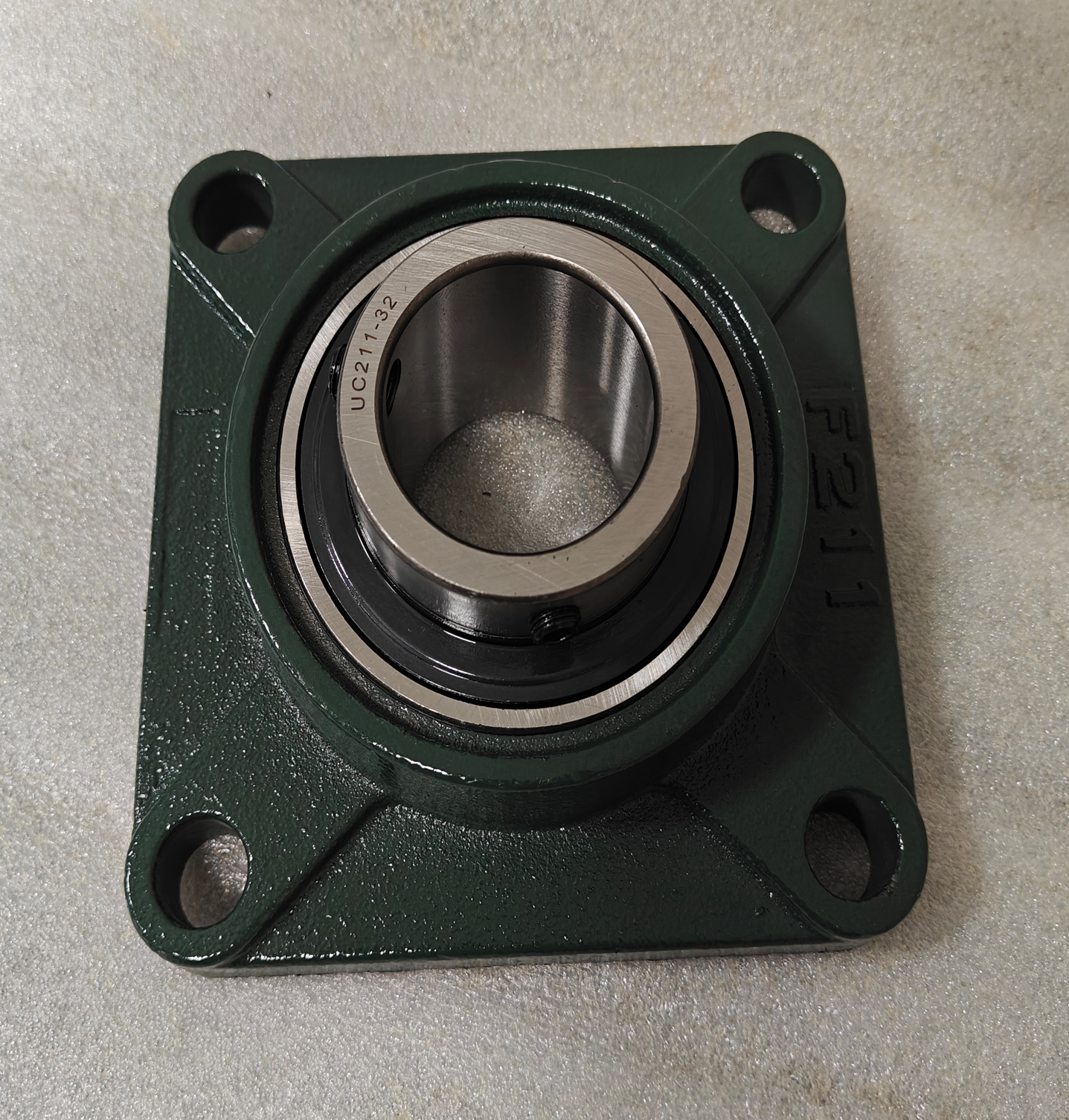
4. Conclusion
For most applications, the epoxy zinc-rich primer + polyurethane topcoat system is the preferred and economical anti-corrosion solution for bearing units. In severe corrosive environments, high-performance thick-film epoxy or fluorocarbon coatings are essential.
Regardless of the coating type, strict surface preparation and accurate control of coating thickness are the foundations of a reliable and long-lasting anti-corrosion system.