Newsroom
Why Ceramic Balls Are Quietly Reshaping the Bearing Industry
For many years, steel balls were the unquestioned standard in bearing design. Today, that assumption is changing. Across industries such as electric motors, automation, medical equipment, and high-speed machinery, ceramic balls are quietly reshaping how bearings are designed, selected, and evaluated.
Rather than being a premium niche option, ceramic balls are increasingly viewed as a practical solution to real-world challenges—higher speeds, longer service life, lower friction, and resistance to harsh environments.
More Than a Material Upgrade
The growing interest in ceramic balls is not driven by novelty, but by necessity. As operating speeds rise and maintenance windows shrink, traditional materials are reaching their limits. Ceramic balls address several pain points at once: reduced heat generation, improved wear resistance, and stable performance in environments where steel struggles.
However, not all ceramic balls serve the same purpose. Understanding material differences is becoming just as important as choosing the right bearing size.
Silicon Nitride: The Default Choice for High-Speed Performance
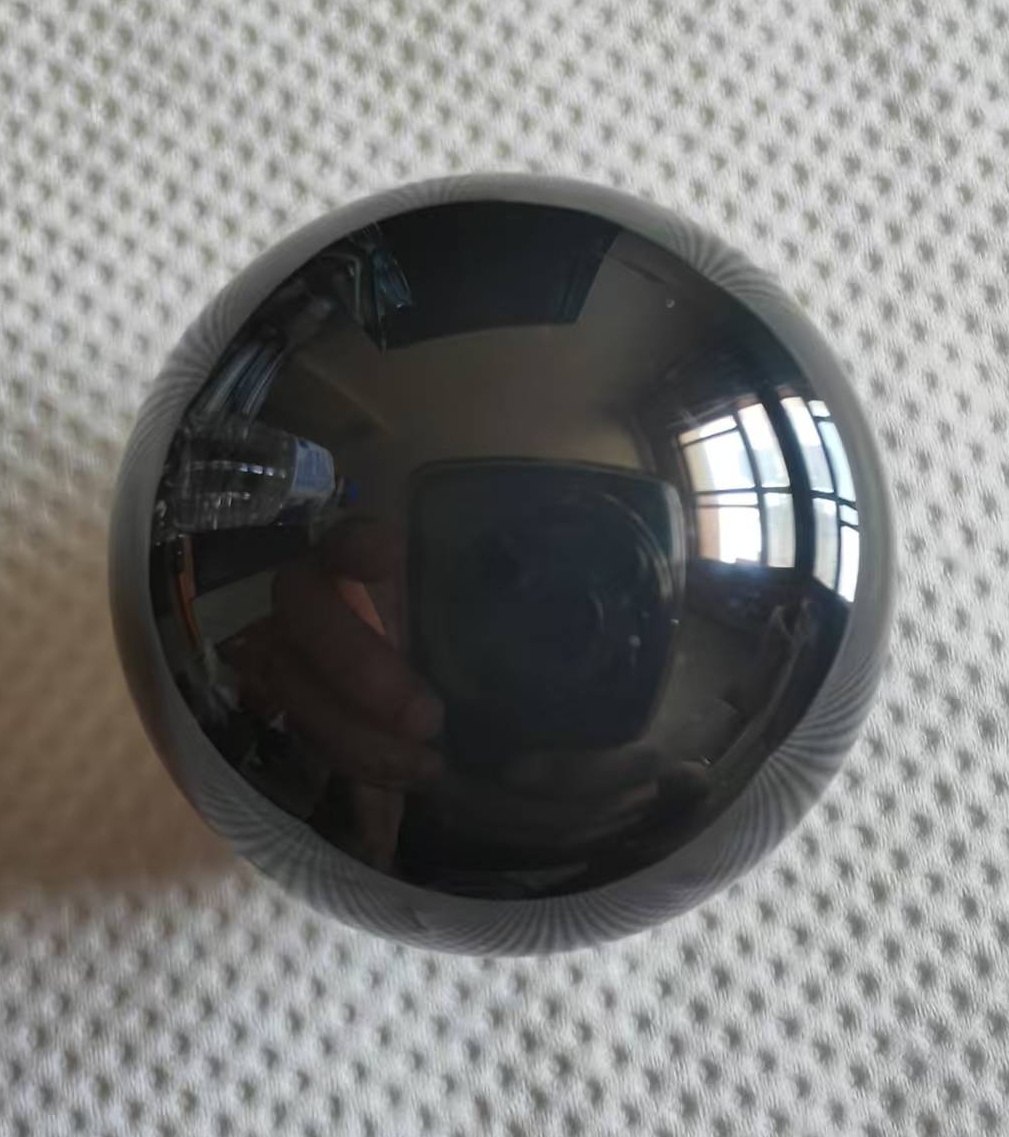
Among all ceramic materials, silicon nitride (Si₃N₄) has become the most widely adopted. Its low density significantly reduces centrifugal force at high speed, helping bearings run cooler and more efficiently.
This material has become a preferred option in applications where speed, precision, and reliability are non-negotiable—such as machine tool spindles and electric motors. For many engineers, silicon nitride is no longer an upgrade; it is the baseline for hybrid bearing solutions.
Zirconia: When Toughness Matters More Than Speed
While silicon nitride dominates high-speed applications, zirconia (ZrO₂) finds its place where impact resistance and durability are critical. Its higher fracture toughness allows it to perform reliably in environments involving vibration, frequent starts and stops, or moderate shock loads.
Zirconia ceramic balls are commonly seen in medical equipment, food processing systems, and chemical machinery—applications where stability and safety outweigh extreme speed capability.
Alumina: A Practical Solution for Chemical Stability
In many industrial systems, the challenge is not speed but corrosion. Alumina (Al₂O₃) ceramic balls offer excellent chemical resistance and electrical insulation at a more accessible cost level.
Although not designed for heavy impact or ultra-high-speed conditions, alumina remains a practical choice for chemical pumps, flow control devices, and specialized low-speed bearings where material compatibility is the priority. 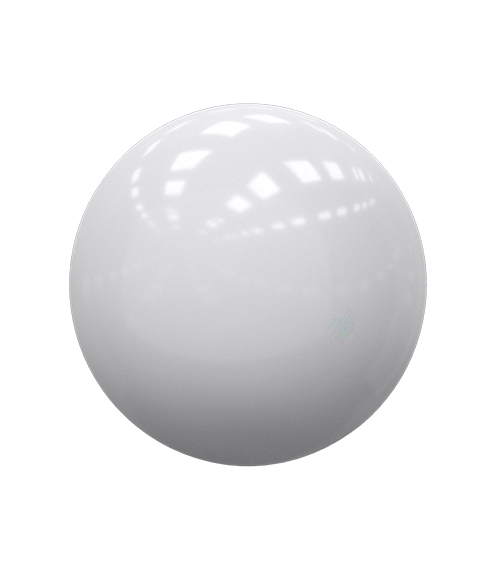
Silicon Carbide: Built for Extreme Environments
At the far end of the performance spectrum lies silicon carbide (SiC). Known for its exceptional hardness and temperature resistance, SiC is selected for applications where wear and heat would quickly destroy conventional materials.
Its use is highly specialized, often limited to abrasive or high-temperature environments. In these cases, durability takes precedence over shock resistance or cost efficiency.
A Shift in How Bearings Are Specified
One of the most noticeable trends in today’s bearing market is the way customers ask questions. Instead of focusing only on dimensions or load ratings, buyers increasingly ask: Which ceramic material is best for my application?
This shift reflects a broader industry movement toward energy efficiency, reduced downtime, and longer service intervals. Ceramic balls are no longer viewed as experimental—they are becoming a strategic design choice.
Looking Ahead
As industries continue to demand higher performance and reliability, ceramic balls will play an even greater role in bearing technology. Understanding the strengths and limitations of each ceramic material is key to unlocking their full potential.
What was once a quiet material upgrade is now shaping the future of bearing performance.