Newsroom
Why Do Bearings Fail Prematurely and How Can It Be Prevented?
Bearings are critical components in almost all rotating machinery. However, in many applications, bearings fail much earlier than expected—leading to downtime, increased maintenance costs, and reduced equipment reliability.
Understanding the root causes of premature bearing failure is essential for improving performance and extending service life.
What Causes Premature Bearing Failure?
In most cases, bearing failure is not due to material defects, but rather to improper application, installation, or maintenance. The most common causes include:
- Improper Lubrication
Lubrication plays a key role in reducing friction and wear. Both insufficient and excessive lubrication can lead to overheating, increased friction, and surface damage.
Using the correct lubricant type and maintaining proper lubrication intervals are essential for optimal performance.
- Contamination
Dust, dirt, and moisture can enter the bearing and damage the rolling surfaces. Even microscopic particles can cause abrasion and accelerate wear.
Proper sealing and clean installation environments are critical to minimizing contamination.
- Incorrect Installation
Improper mounting methods—such as excessive force, misalignment, or incorrect tools—can damage bearing components before operation even begins.
Using proper installation techniques and tools helps ensure correct alignment and load distribution. 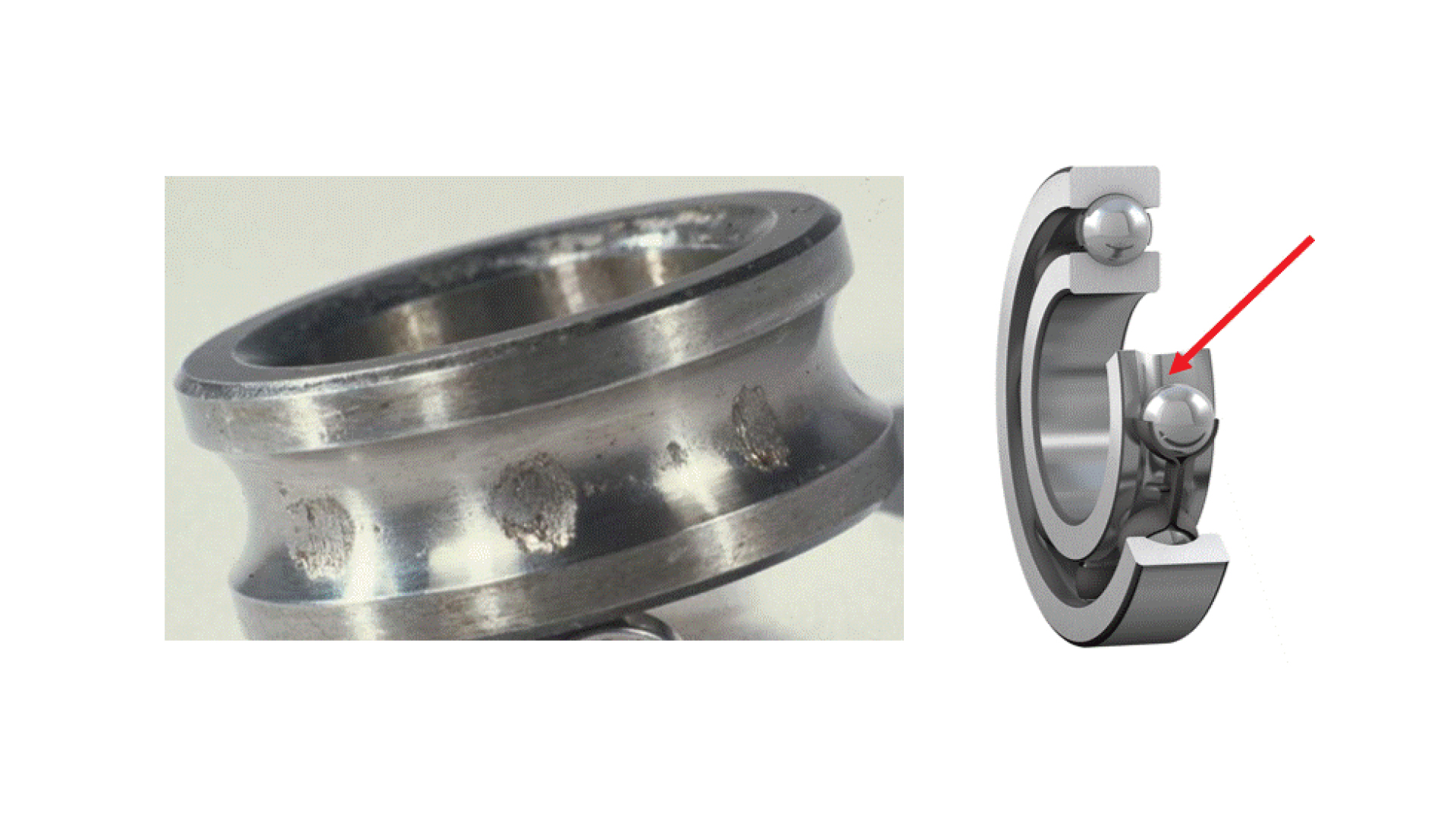
- Overloading and Misalignment
When bearings are subjected to loads beyond their design limits, or when shaft alignment is poor, stress concentration occurs. This leads to fatigue, vibration, and early failure.
Selecting the correct bearing type—such as deep groove ball bearings, angular contact ball bearings, or tapered roller bearings—is essential for handling the required load conditions.
- Electrical Damage
In electric motors, stray currents can pass through the bearing, causing electrical discharge damage (EDM). This results in pitting and fluting on the raceway surfaces.
Solutions such as electrically insulated bearings or hybrid ceramic bearings can effectively prevent this type of failure. 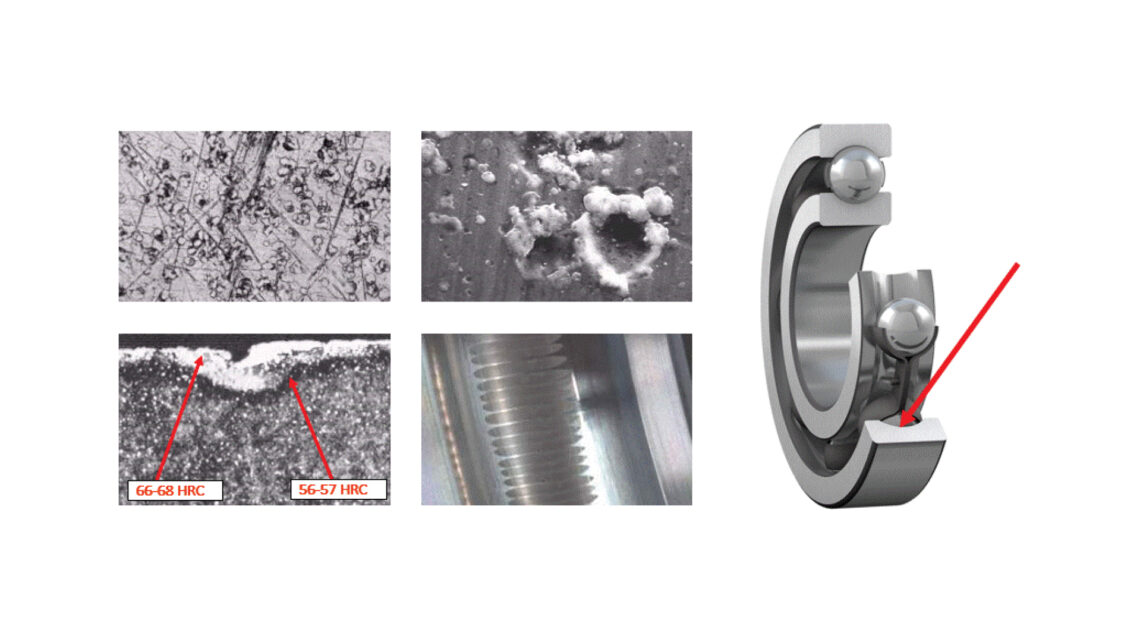
How Can Premature Bearing Failure Be Prevented?
Preventing early failure requires a combination of proper selection, installation, and maintenance practices.
Choose the Right Bearing
Selecting the correct bearing type based on load, speed, and working conditions is the first step. For example:
- Deep groove ball bearings for high-speed, low-load applications
- Angular contact ball bearings for combined loads and precision systems
- Tapered roller bearings for heavy-duty and shock load environments
Ensure Proper Lubrication
Use the appropriate lubricant and follow recommended lubrication intervals. Avoid both under-lubrication and over-lubrication.
Maintain Clean Operating Conditions
Use high-quality seals and ensure a clean working environment during installation and operation.
Apply Correct Installation Methods
Use proper tools and techniques to avoid damage during mounting. Pay attention to alignment and preload where required.
Consider Advanced Bearing Solutions
In demanding applications, advanced solutions such as hybrid ceramic bearings or insulated bearings can significantly improve performance and reliability.
Conclusion
Premature bearing failure is often preventable. By understanding the root causes and applying proper engineering practices, it is possible to significantly extend bearing life and improve equipment reliability.
For engineers and maintenance teams, investing time in correct bearing selection and maintenance strategies can lead to substantial long-term cost savings.
If you are experiencing similar issues, feel free to contact us for technical support or bearing selection advice.