Newsroom
YAR 206-2F/VA228: The High-Temperature Workhorse in Industrial Bearings
In the harsh environments of high-temperature industrial operations—from steel mill furnaces to glass manufacturing kilns—bearings face unprecedented challenges: extreme heat, contaminant intrusion, and constant mechanical stress. The YAR 206-2F/VA228, a specialized insert bearing engineered for such rigorous conditions, stands out as a reliable solution. Developed based on deep groove ball bearing technology and enhanced with high-temperature-specific features, this bearing redefines durability and performance in thermal extremes, making it indispensable in sectors where standard bearings fail to endure.
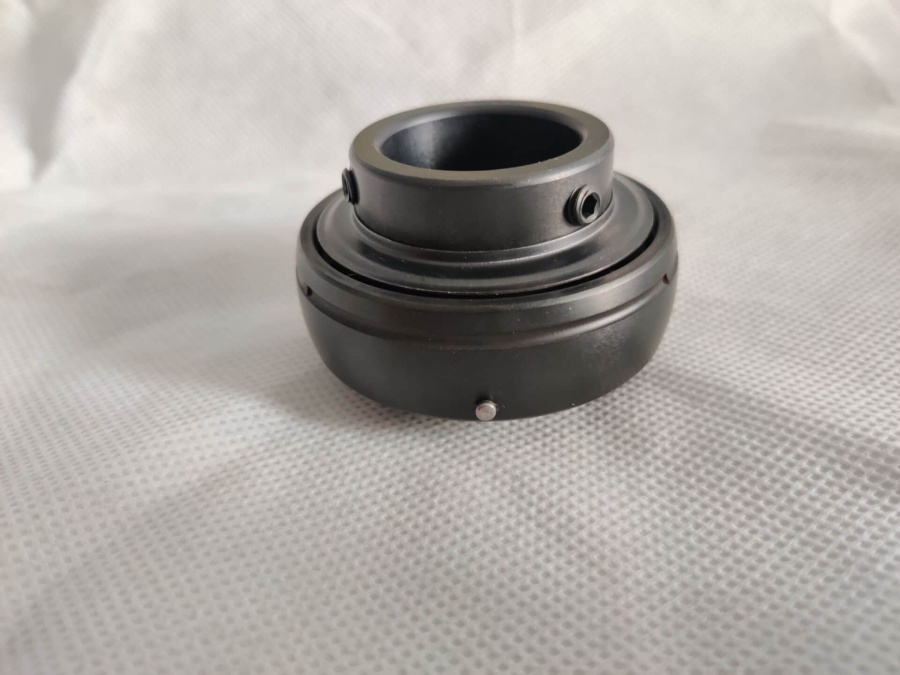
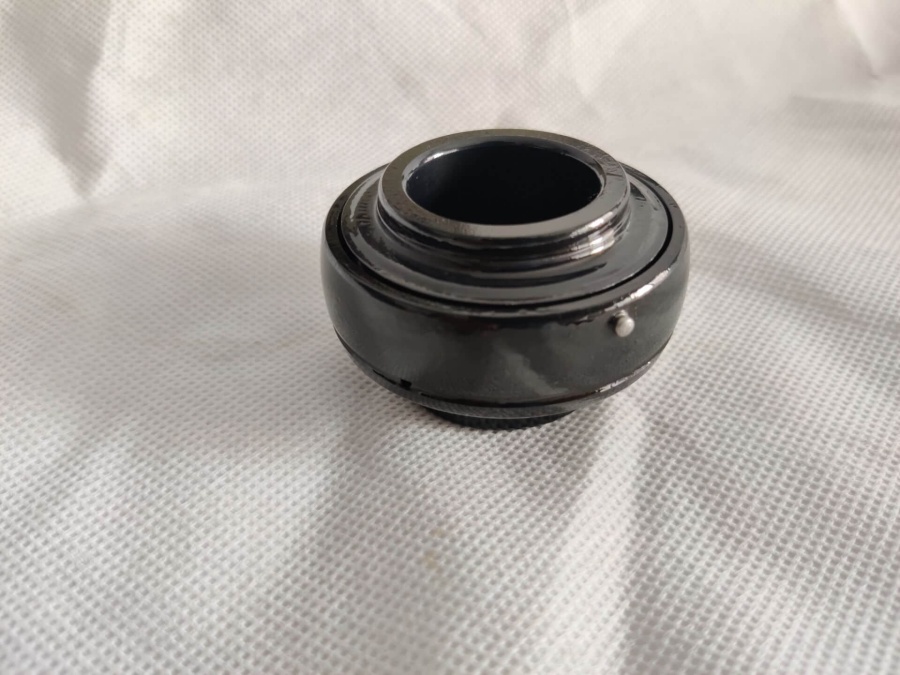
At the core of the YAR 206-2F/VA228’s functionality lies its precise structural design and carefully calibrated technical parameters. As a metric-sized insert bearing, it features a cylindrical bore with an inner diameter (d) of 30 mm, an outer diameter (D) of 62 mm, and a total width (T) of 38.1 mm—dimensions optimized for compatibility with common industrial shafts and housings. Its performance capabilities are equally impressive: the basic dynamic load rating (C) reaches 19.5 kN, enabling it to withstand substantial radial and axial forces, while the basic static load rating (C0) of 11.2 kN ensures stability under stationary or slow-moving conditions. Unlike standard bearings that operate at high speeds, the YAR 206-2F/VA228 is designed for controlled motion in high-temperature settings, with a limiting speed (nlim) of 190 r/min—a parameter tailored to prevent overheating in extreme thermal environments.
The true innovation of the YAR 206-2F/VA228 lies in its specialized components, denoted by the "2F" and "VA228" suffixes that define its high-temperature capabilities. The "2F" designation signifies a dual-protection sealing system: contact seals on both sides, paired with plain flingers, creating a robust barrier against solid contaminants such as dust, slag, and metal particles common in industrial settings. This sealing solution not only preserves internal lubrication but also prevents abrasive particles from damaging the bearing’s rolling elements and raceways, significantly extending service life. Complementing this is the "VA228" specification, which identifies the bearing’s most critical high-temperature component: a pure graphite coronet cage. Unlike traditional metal or polymer cages that degrade at high temperatures, the graphite cage maintains structural integrity across an extraordinary temperature range of -150°C to +350°C (-238°F to 662°F). During operation, minute amounts of graphite particles are released, acting as a self-lubricating agent that reduces friction without relying on conventional grease, which would oxidize and fail in extreme heat.
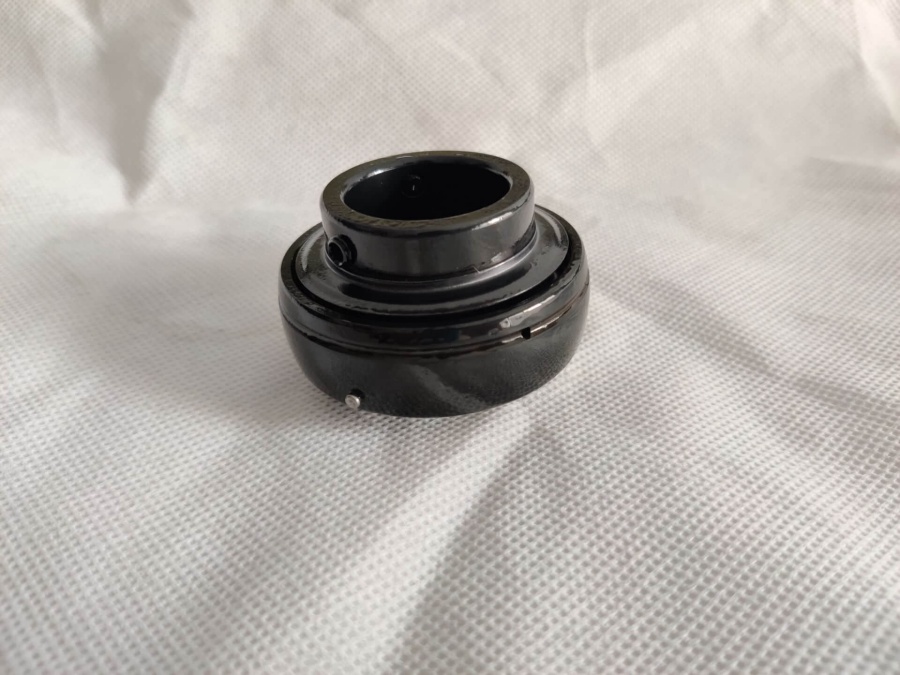
To further enhance its thermal resilience, the YAR 206-2F/VA228 incorporates additional material and design enhancements. Its bearing rings and rolling elements are crafted from high-grade bearing steel treated with manganese phosphate—a surface coating that improves corrosion resistance and reduces wear in harsh environments. The bearing also features a C5-class radial internal clearance, a precision specification that accommodates thermal expansion of components during temperature fluctuations, preventing seizure and ensuring smooth operation as conditions change. Installation is simplified through its extended inner ring and set screw locking system: two hexagon socket set screws (M6 x 0.75) spaced 120° apart secure the bearing to the shaft, requiring only a 3 mm hexagonal key and a recommended tightening torque of 4 N·m for safe, tool-free assembly. This design allows for quick replacement and alignment, minimizing downtime in critical industrial processes.
These features make the YAR 206-2F/VA228 the bearing of choice for a wide range of high-temperature industrial applications. In steel and metallurgy, it is used in continuous casting machines, furnace conveyors, and roller tables, where it endures molten metal splatters and ambient temperatures exceeding 300°C. In glass manufacturing, it operates in annealing lehrs and kiln cars, resisting thermal shocks and glass dust contamination. The bearing also finds utility in food processing (e.g., bakery ovens), chemical processing (high-temperature reactors), and vacuum coating equipment, where its low-outgassing graphite components and temperature stability are essential. A notable application is in boiler fans and exhaust systems, where it combines high-temperature resistance with the ability to withstand vibration and particulate-laden air—challenges that often cause premature failure in standard bearings.
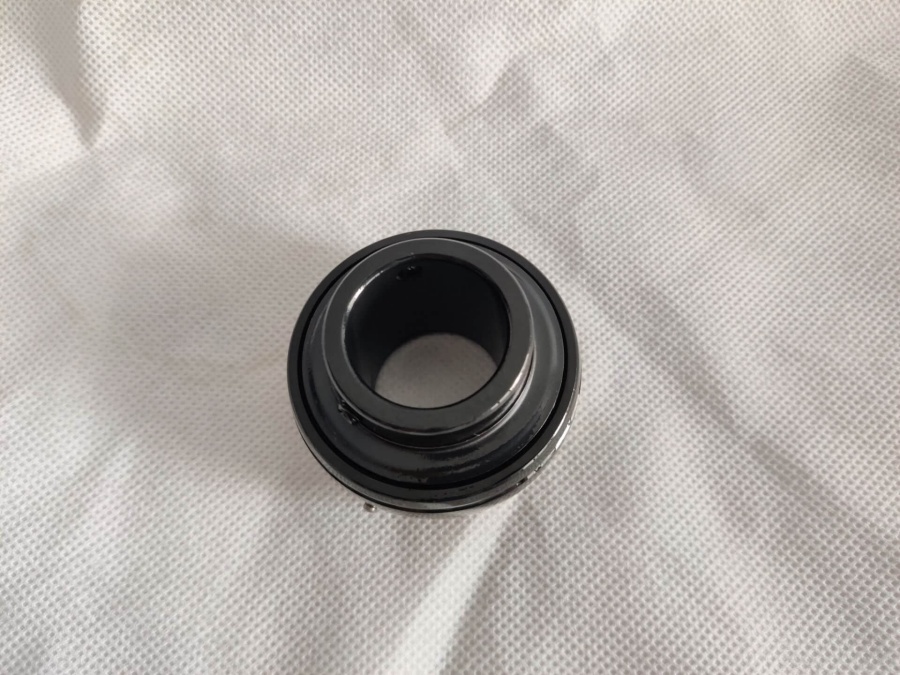
Proper installation and maintenance practices further maximize the YAR 206-2F/VA228’s performance. When mounting, engineers must ensure the shaft meets h6 tolerance standards to maintain optimal fit and prevent slippage. While the bearing’s self-lubricating graphite cage reduces maintenance needs, periodic inspections are recommended to check for seal integrity and cage wear, especially in extremely dusty or vibration-prone applications. Unlike standard bearings that require regular relubrication, the YAR 206-2F/VA228’s graphite lubrication system eliminates the need for grease replenishment, reducing maintenance costs and environmental impact.
In conclusion, the YAR 206-2F/VA228 represents a specialized engineering solution tailored to the most demanding high-temperature industrial environments. Its combination of precise dimensions, robust sealing, self-lubricating graphite components, and wide temperature tolerance addresses the critical limitations of standard bearings in extreme heat. By minimizing downtime, reducing maintenance requirements, and ensuring reliable performance in applications ranging from steel mills to food processing, this bearing delivers tangible economic value to industries where operational continuity is paramount. As manufacturing processes continue to push the boundaries of temperature and durability, the YAR 206-2F/VA228 remains a testament to how specialized bearing technology can solve the most pressing challenges of modern industrial operations.