Newsroom
Cast Iron Joint Bearing Housings: The Low‑Key "King of Cost‑Performance"
Cost Advantages
Cast iron is like the "economical and practical choice" in the world of joint bearing.
In terms of material cost, it is very affordable. On the market, cast iron is usually much cheaper than cast steel, which can save a considerable amount of money for manufacturers producing joint bearing on a large scale.
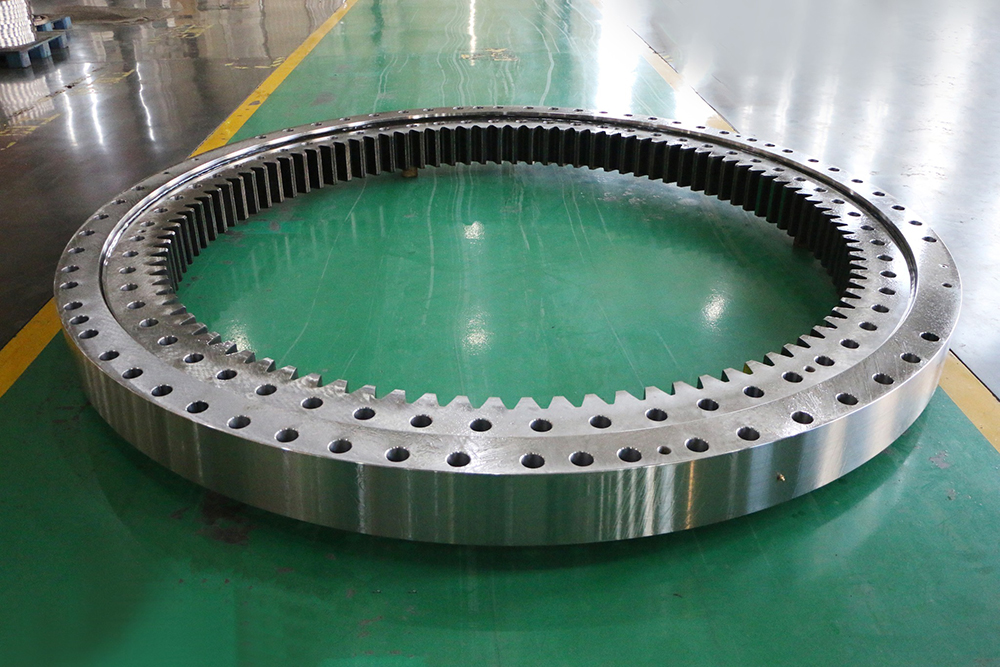
In addition, the production process of cast iron is relatively simple and does not require overly sophisticated technology or high‑end equipment. Many small processing plants can turn raw cast iron into qualified bearing housing blanks using common sand casting, further reducing production costs. 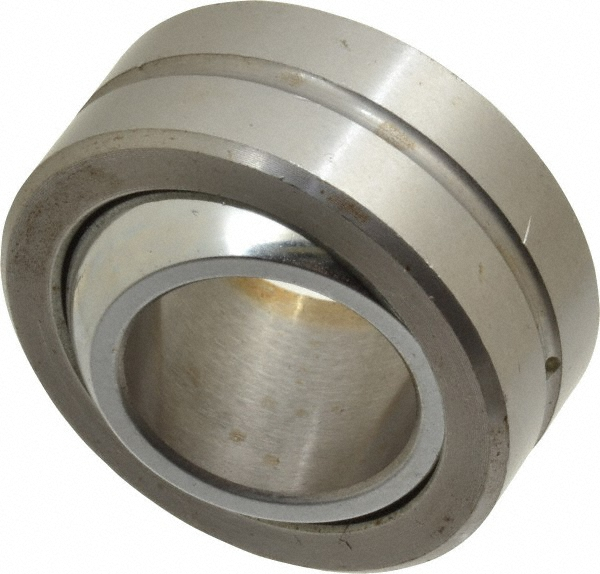
Therefore, if your project has a limited budget, cast iron joint bearing are definitely a cost‑effective option.
(II) Performance Characteristics
Hardness and Wear Resistance
Despite its low cost, cast iron has impressive hardness. Under low‑speed and light‑load conditions, cast iron joint bearing exhibit excellent wear resistance.
For example, in small electric motors where rotational speed and bearing pressure are low, cast iron’s high hardness allows it to resist friction effectively, support bearings stably over long periods, and ensure normal motor operation.
Furthermore, gray cast iron contains flake graphite, which acts like a natural lubricant. This enhances wear resistance to a certain extent and highlights its advantages in low‑speed operation. 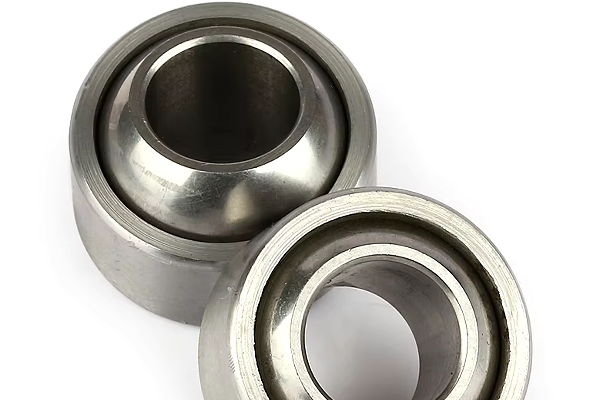
Brittle Weakness
However, cast iron also has a notable drawback: poor toughness and high brittleness. It is prone to cracking under strong impact.
For instance, collisions during transportation can cause cast iron joint bearing to crack or even break completely.
Its hard and brittle nature has both pros and cons during machining:
Advantage: chips break easily, making machining relatively easy.
Disadvantage: improper operation can lead to chipping or surface defects, affecting product quality. 
(III) Applicable Scenarios
Cast iron joint bearing are widely used in low‑speed, light‑load applications with low precision requirements.
In the field of small agricultural machinery — such as small seeders and threshers — equipment runs at low speeds and does not demand high precision from joint bearing. With low cost and satisfactory basic performance, cast iron joint bearing become an ideal choice, helping farmers achieve agricultural production at lower cost.
They are also suitable for simple production lines, such as small food packaging lines. Where operating speeds are not high, cast iron joint bearing stably support bearings, ensure normal operation, and help enterprises reduce equipment costs.