Newsroom
How to Install Tapered Roller Bearings?
Adjusting Axial Clearance
The axial clearance of tapered roller bearings during installation can be adjusted using adjusting nuts on the journal, adjusting shims, threads in the bearing housing bore, or preload springs.
The magnitude of axial clearance is related to the bearing arrangement, the distance between bearings, and the materials of the shaft and bearing housing, and can be determined according to operating conditions.
For tapered roller bearings under high loads and high speeds, the effect of temperature rise on axial clearance must be considered when adjusting clearance. The reduction in clearance caused by temperature rise should be estimated; that is, the axial clearance should be adjusted slightly larger. 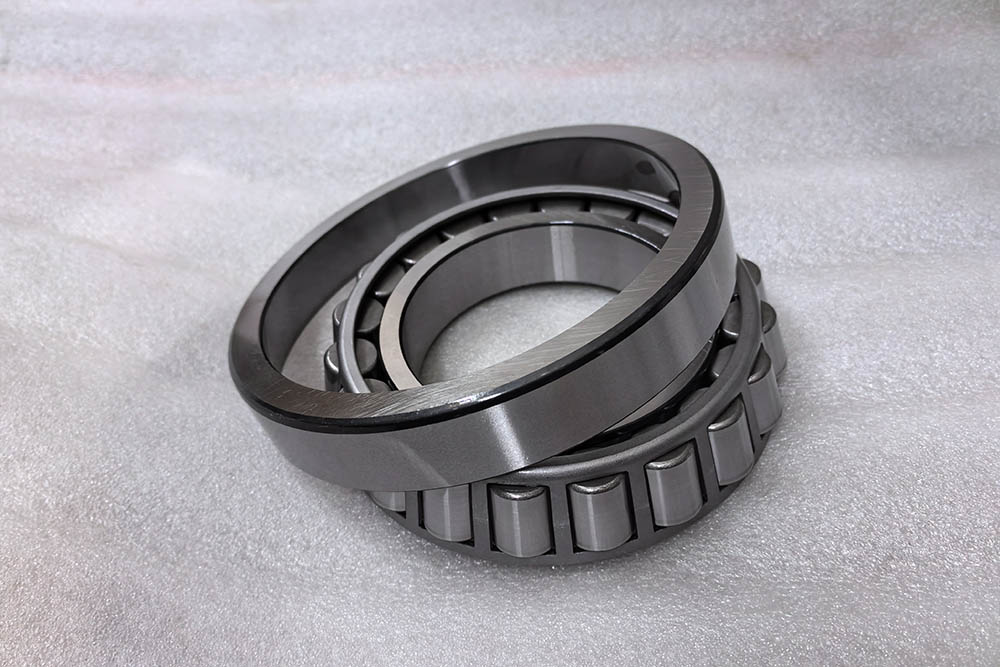
For bearings operating at low speeds and subjected to vibration, zero-clearance installation or preload installation shall be adopted.
This aims to ensure good contact between the rollers and raceways of the tapered roller bearings, distribute loads evenly, and prevent damage to the rollers and raceways from vibration and impact.
After adjustment, the axial clearance is inspected with a dial indicator. 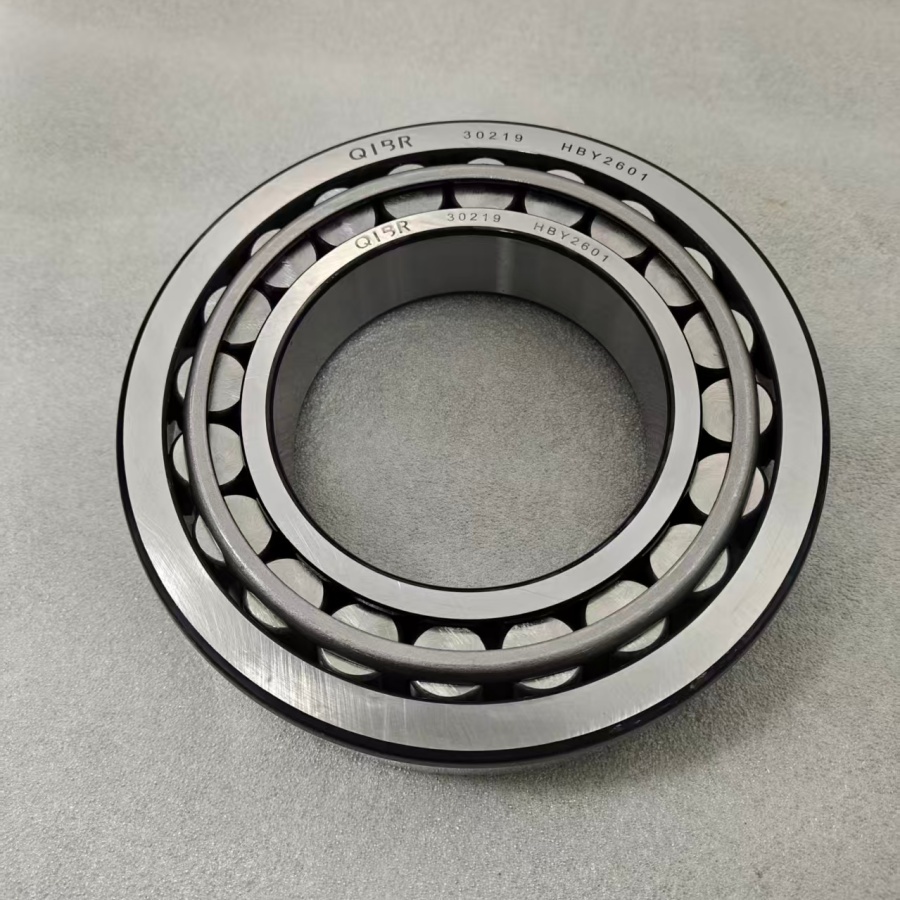
Installation of Four-Row Tapered Roller Bearings
The fit between the inner rings of four-row tapered roller bearings and the roll neck is generally with clearance. During installation, first mount the bearing into the bearing housing, then install the housing onto the journal.
The outer rings of four-row tapered roller bearings also adopt a running fit with the bearing housing bore. First install Outer Ring A into the bearing housing.
Marks are stamped on the outer rings, inner rings, and inner/outer spacers ex-factory. These parts must be installed into the bearing housing in the marked sequence during installation and must not be interchanged arbitrarily, to avoid changes in bearing clearance. 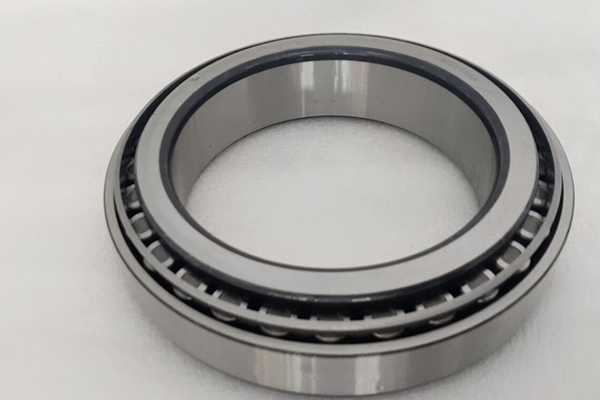
After all parts are installed into the bearing housing, axially clamp the inner rings with inner spacers and the outer rings with outer spacers.
Measure the gap width between the end face of the outer ring and the bearing housing cover to determine the thickness of the corresponding sealing gasket.