Newsroom
What Are the Advantages of Crossed Roller Bearings for Industrial Robots?
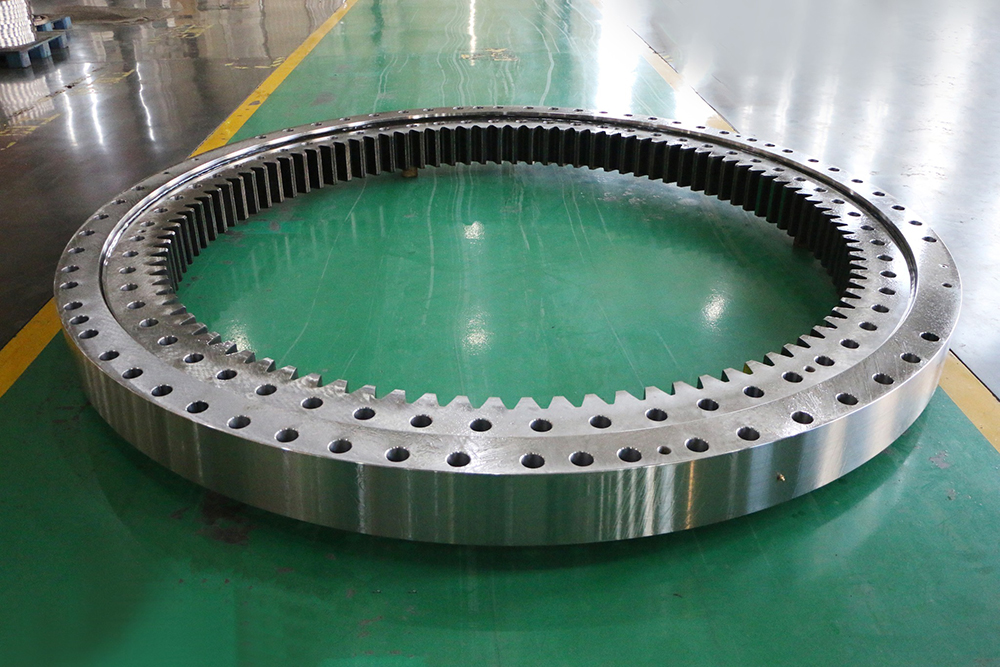
A crossed roller bearing is a special-type bearing with a split inner ring and a rotatable outer ring. After the rollers and spacer retainers are installed into the split inner or outer ring, the ring is fixed together with the crossed roller collar to prevent separation from each other—this makes the installation of the crossed roller collar simple. Due to the split structure of the inner and outer rings of the crossed roller bearing, the bearing clearance can be adjusted; even when preload is applied, it can still achieve high-precision rotational movement. Thanks to its unique structure, it is generally widely used in the joint bearings of industrial robots. Today, we will discuss crossed roller bearings, and let’s take a closer look at them below! 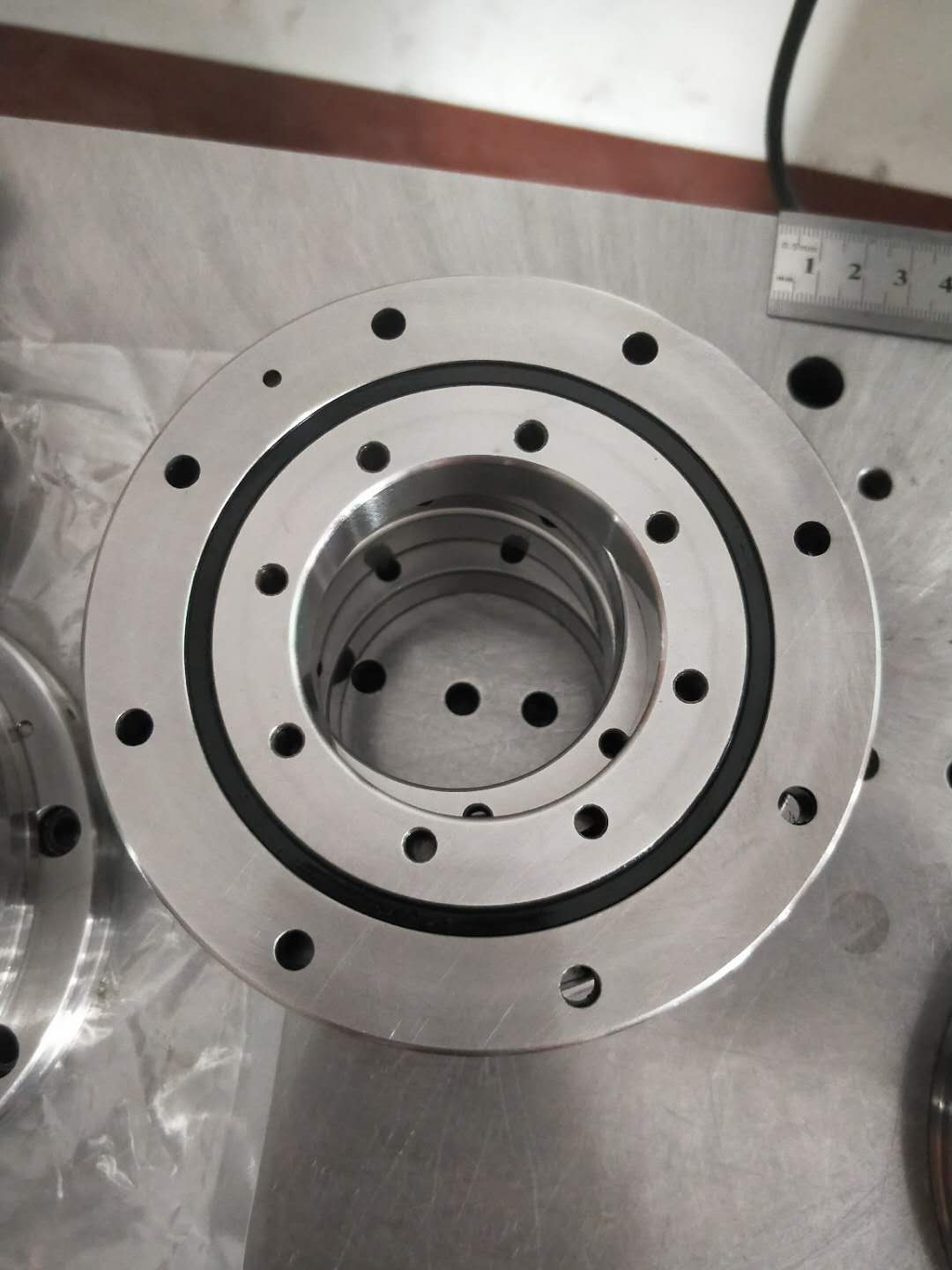
There are mainly two categories of bearings widely used in industrial robots: equal-section thin-walled bearings and crossed roller bearings. Bearings for industrial robots are one of their key supporting components, and they are applicable to a wide range of scenarios, including the joint or rotating parts of industrial robots, the rotating worktables of machining centers, the rotating parts of manipulators, precision rotating worktables, medical instruments, measuring tools, and IC manufacturing equipment. 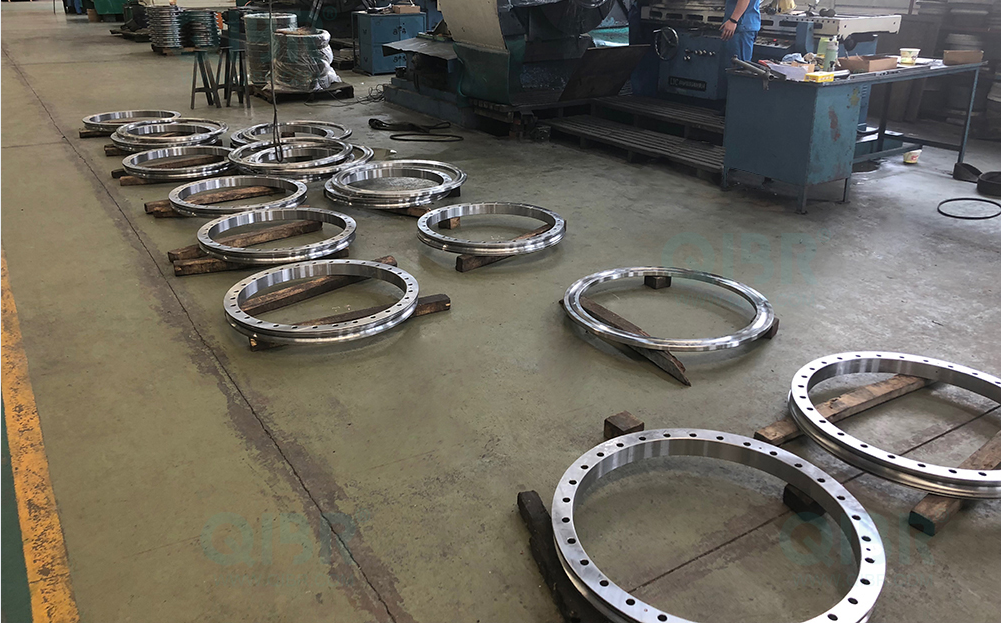
Advantages of Crossed Roller Bearings for Robots:
1. Excellent Rotational Precision
The internal structure of crossed roller bearings adopts rollers arranged perpendicularly at 90° to each other. Spacer retainers or separators are installed between the rollers to prevent the rollers from tilting or rubbing against each other, effectively avoiding an increase in rotational torque. In addition, there will be no single-side contact or jamming of the rollers; at the same time, due to the split structure of the inner and outer rings, the clearance can be adjusted. Even when preload is applied, high-precision rotational movement can still be achieved. 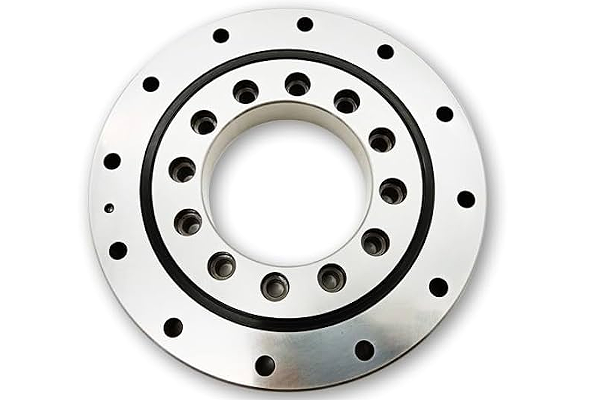
2. Simplified Installation Operation
The outer or inner ring, which is split into two parts, is fixed together after the rollers and retainers are installed—this makes the installation process very simple.
3. Ability to Withstand Large Axial and Radial Loads
Since the rollers are arranged perpendicularly to each other via spacer retainers on the V-shaped grooved rolling surfaces at 90°, this design enables crossed roller bearings to withstand loads in all directions, such as large radial loads, axial loads, and moment loads. 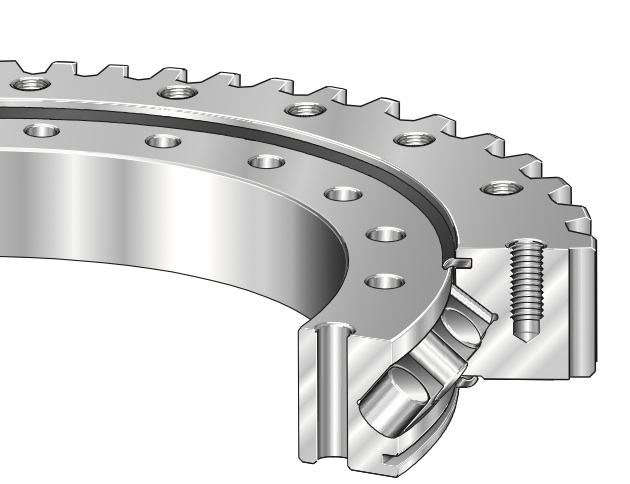
4. Significant Savings in Installation Space
The sizes of the inner and outer rings of crossed roller bearings are miniaturized to the greatest extent possible. In particular, the ultra-thin structure features a compact size close to the limit while maintaining high rigidity. Therefore, it is suitable for a wide range of applications, including the joint or rotating parts of industrial robots, the rotating worktables of machining centers, the rotating parts of manipulators, precision rotating worktables, medical instruments, measuring tools, and IC manufacturing equipment.
The above covers all the advantages of crossed roller bearings for industrial robots. In summary, when it comes to bearings for industrial robots, crossed roller bearings are an extremely suitable option. They can make the joints of industrial robots more flexible, offer excellent rotational precision, and feature simple operation. Moreover, these bearings can withstand large axial and radial loads and significantly save installation space