Newsroom
What are the characteristics of thin section ball bearings?
Thin section ball bearings are a type of precision rolling bearing characterized by an extremely thin cross-section and a compact structure. While maintaining high load-carrying capacity and high-speed capabilities, they achieve significant weight reduction and miniaturization, making them indispensable key components in modern precision equipment. 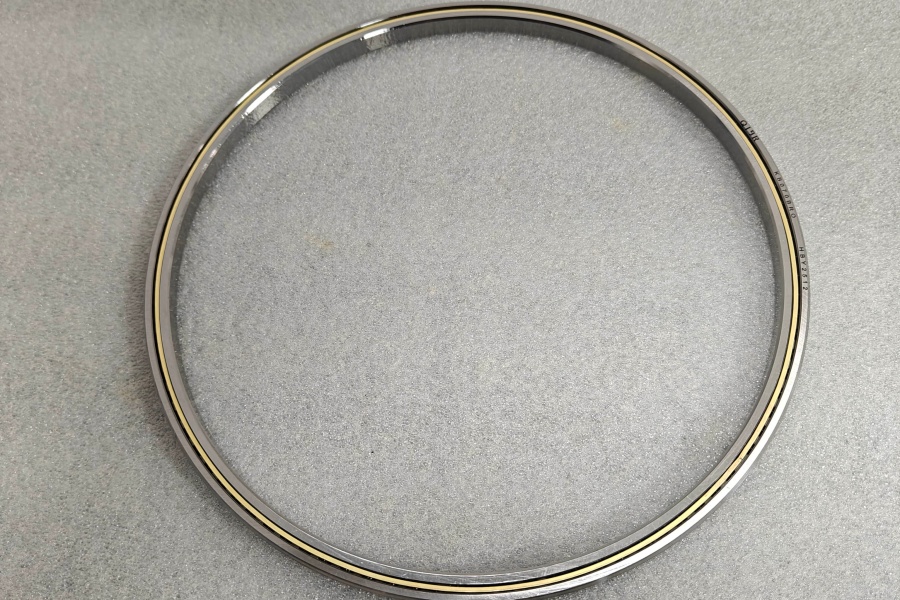
Their most prominent features are their ultra-thin profile and minimal space requirements. Compared to conventional bearings, the width of their inner and outer rings—as well as their cross-sectional thickness—has been drastically reduced. For a given inner diameter, they occupy less volume and weigh less, making them particularly well-suited for equipment with limited installation space. Furthermore, these bearings feature a precision deep-groove design that ensures smooth rotation, high operational accuracy, minimal vibration, and low noise levels, thereby meeting the requirements for high-speed, stable operation. 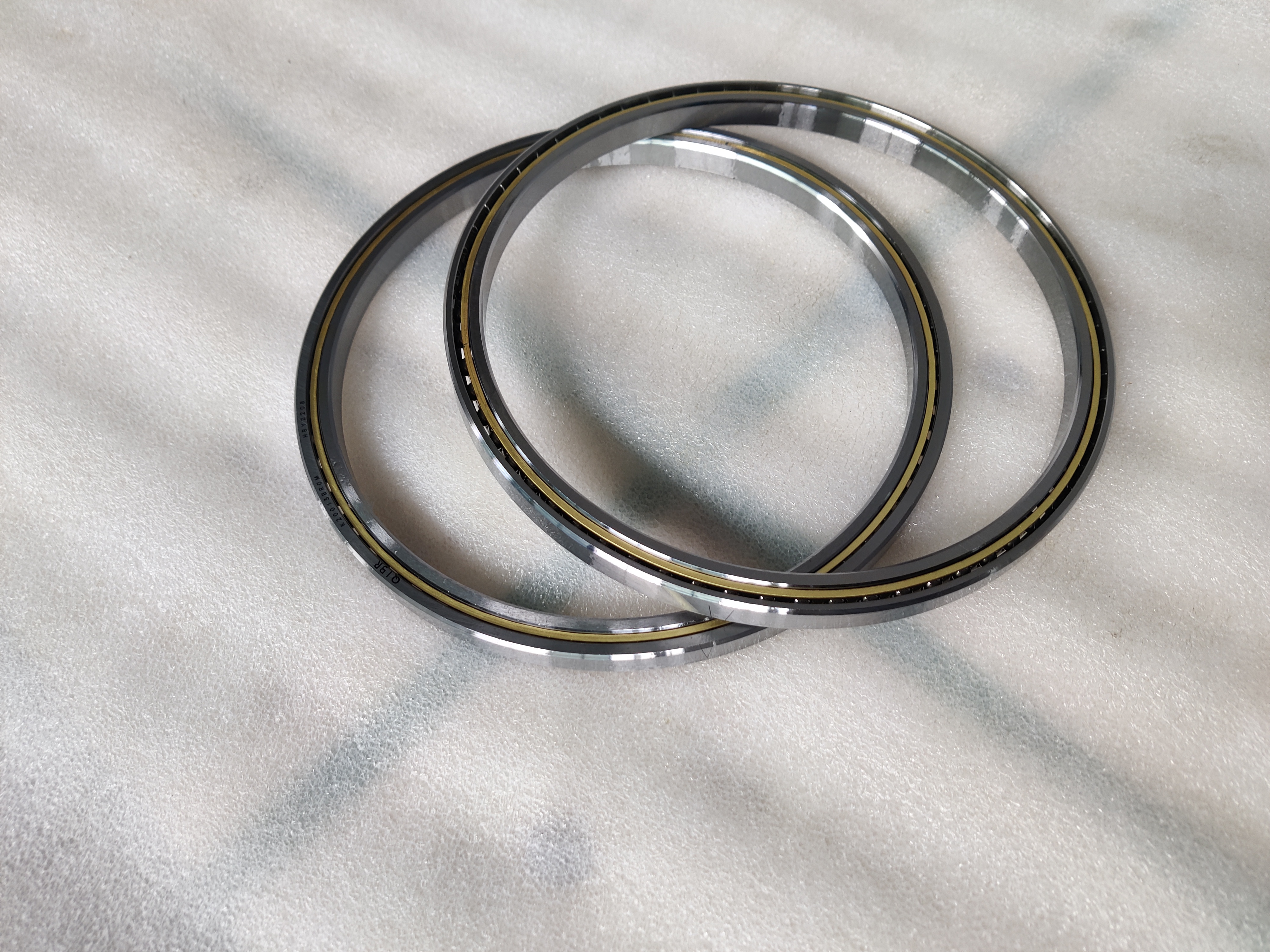
thin section ball bearings offer stable load-carrying performance, capable of simultaneously supporting both radial loads and bi-directional axial loads. Their simple structure and strong adaptability facilitate easy installation and maintenance. Typically manufactured from high-hardness bearing steel or stainless steel, they exhibit excellent wear resistance and a long service life. Additionally, certain sealed models possess dust-proof, water-resistant, and oil-resistant capabilities, enabling them to perform reliably in complex operating environments. Moreover, they are available in a comprehensive range of specifications—spanning from miniature to small-to-medium series—allowing for flexible integration to meet the diverse requirements of various types of equipment. 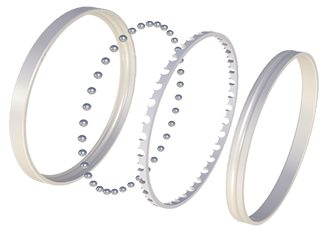
Thanks to their exceptional performance, thin section ball bearings enjoy a wide range of applications. In the field of precision instrumentation, they are utilized in encoders, sensors, optical devices, and measuring instruments to ensure accuracy and stability. In medical equipment, they are integrated into surgical instruments, patient monitoring systems, micro-pumps, and imaging devices to meet stringent requirements for cleanliness and low noise levels. 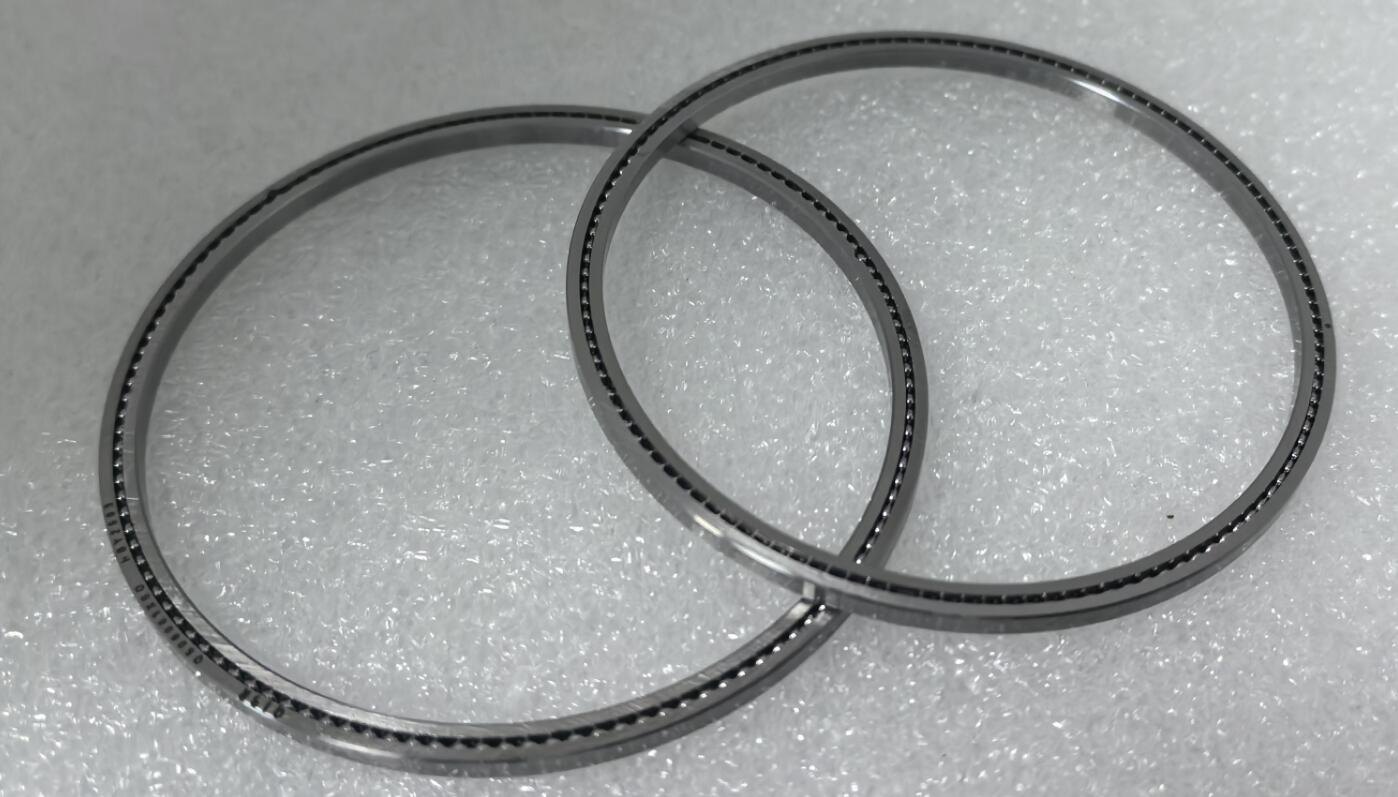
In the industrial sector, they are frequently employed in robotic joints, automated machinery, precision reducers, and small electric motors, contributing to both the lightweight design and efficient operation of such equipment. In consumer electronics and digital products—such as camera gimbals, cooling fans, hard disk drives, and precision gearboxes—ultra-thin ball bearings play a vital supporting role. Furthermore, sectors such as aerospace, unmanned aerial vehicles (UAVs), office equipment, and smart home systems also extensively utilize ultra-thin ball bearings to facilitate compact product designs. 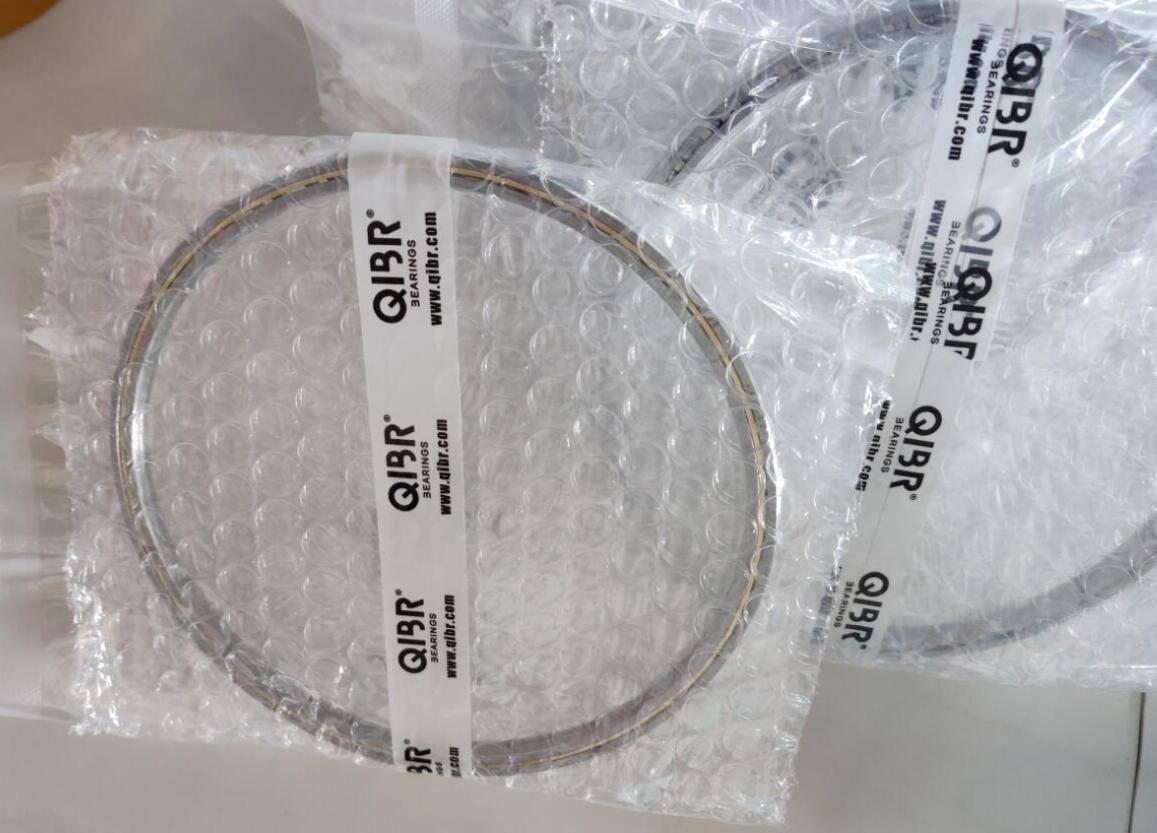
Overall, with their core advantages of being ultra-thin, lightweight, highly precise, and low-noise, thin section ball bearings effectively resolve the inherent conflict between equipment miniaturization and high-performance requirements, thereby playing an irreplaceable role in the fields of high-end manufacturing and precision equipment.