Newsroom
Application and Quality Requirements of Needle Roller Bearings in the Automotive Industry
2026-02-25 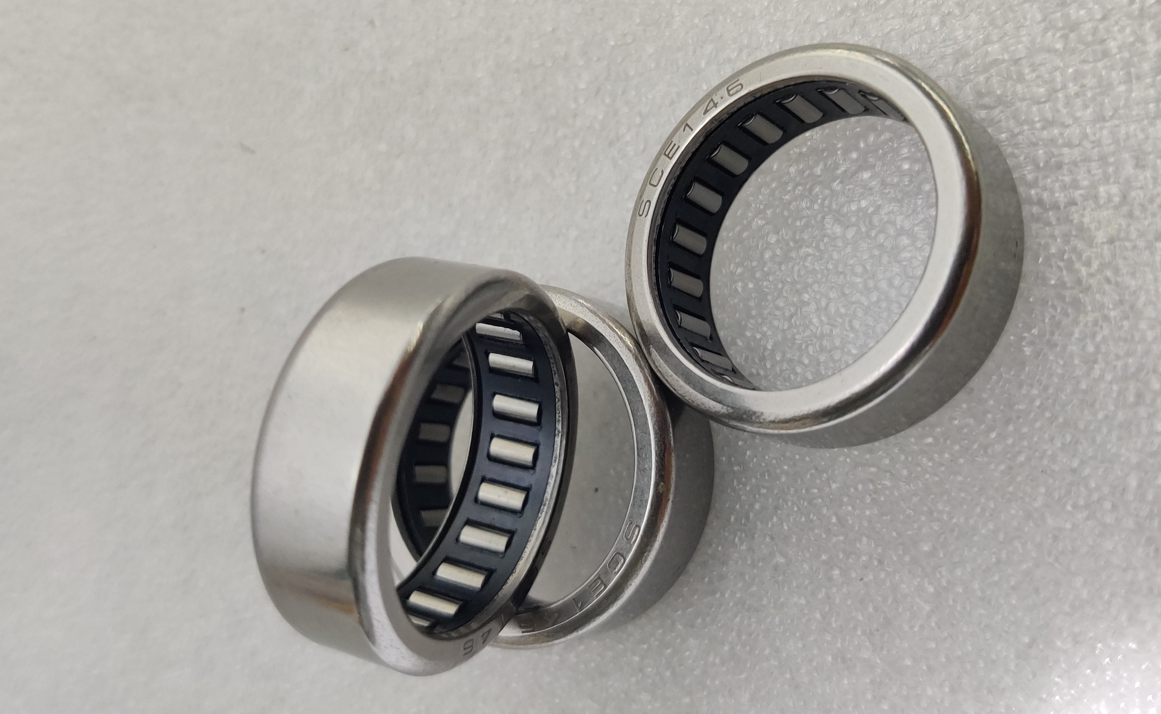 With the core advantages of compact structure, strong radial load-bearing capacity and low friction loss, needle roller bearings are key basic components in automotive transmission and rotation systems, widely used in the core assemblies of both fuel-powered vehicles and new energy vehicles. The following details their application scenarios and quality requirements.
I. Main Applications of Needle Roller Bearings in the Automotive Industry
1. Core Systems of Traditional Fuel-Powered Vehicles
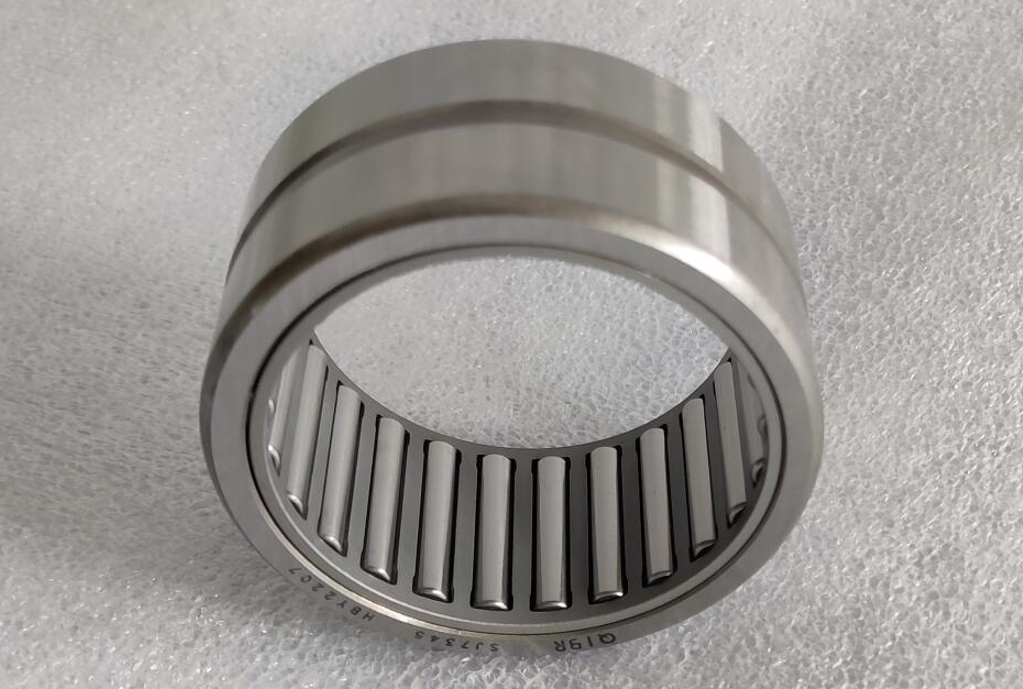
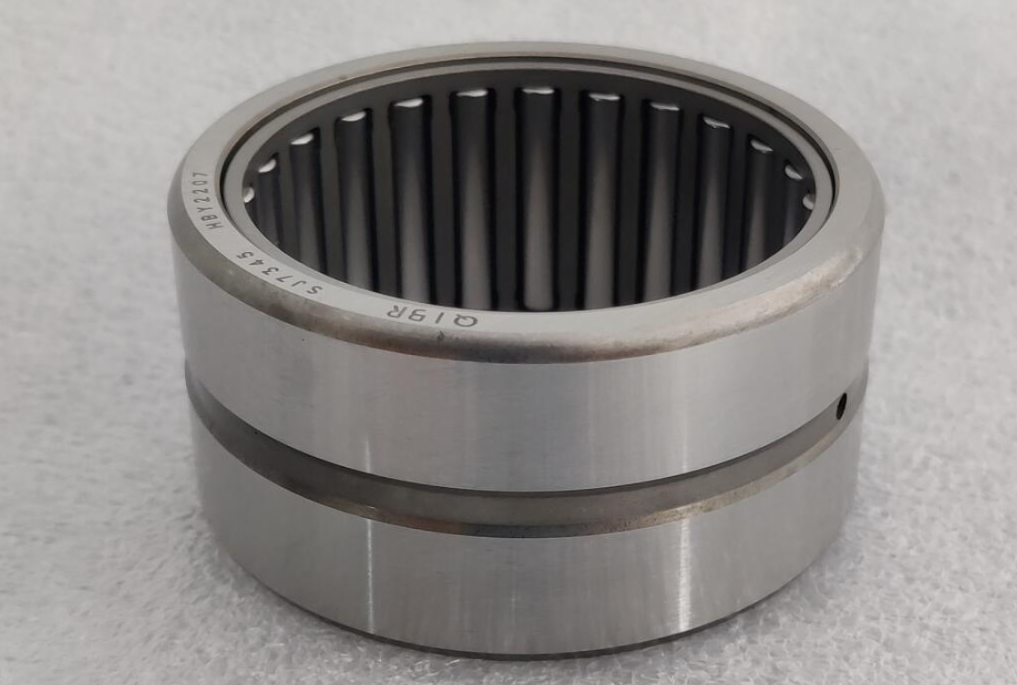
- Transmission (the most core application): Stamped outer ring needle roller bearings and solid outer ring needle roller bearings are widely used in parts such as gear shafts, synchronizers, planetary gear sets and shift forks of manual/automatic transmissions to support high-speed rotating gears and bear alternating loads and impacts.
- Engine system: The small end of the crankshaft connecting rod, camshaft, rocker arm shaft, timing chain tensioner, water pump/generator shaft and other parts use the high rigidity and small volume characteristics of needle roller bearings to achieve reliable support in limited space.
- Chassis and transmission: Differential planetary gears, half shafts, universal joints, steering columns/steering gears, auxiliary support of hub units, clutch release bearings, etc.
- Body accessories: Seat adjustment mechanisms, sunroof rails, windshield wipers, door lock actuators, etc., ensuring smooth and low-noise operation of moving parts.
2. New Application Scenarios for New Energy Vehicles (EV/HEV)
- Electric drive system: The rotor shaft, output end and reducer gear shaft of the drive motor (with a speed often reaching 15,000–20,000 rpm) require needle roller bearings with high-speed stability, low friction and low temperature rise.
- Reducer and differential: Single-stage/multi-stage reducers and differential planetary gears continue the application logic of fuel-powered vehicles, but have higher requirements for NVH, temperature rise and service life.
- High-voltage accessories: Electric compressors, electronic water pumps, oil pumps, rotating parts of high-voltage wire harness connectors, etc.
II. Core Quality Requirements of Automotive Needle Roller Bearings (National Standards + Automobile Manufacturer Standards)
1. Material and Heat Treatment (Basic Guarantee)
- Rings/needles: The mainstream materials are GCr15 high-carbon chromium bearing steel or carburizing steel (such as 20CrMnTi), ensuring high hardness and high contact fatigue strength.
- Hardness: The working surface hardness of rings and needles is 60–64 HRC, and the core toughness is matched to avoid brittle fracture.
- Metallographic structure: Uniform and fine tempered martensite + dispersed carbides, controlling retained austenite and undissolved carbides, with no decarburized layer.
- Non-metallic inclusions: Strictly control the levels of A, B, C and D types of inclusions to avoid fatigue sources.
2. Dimensional and Geometric Accuracy (Foundation for Assembly and Operation)
- Tolerance grade: P0 and P6 grades are commonly used in automobiles, and P5 and P4 grades can be used for high-speed parts of transmissions/motors.
- Key accuracy indicators:
1). Inner and outer diameter dimensional tolerance, width tolerance, and needle diameter/length consistency (≤2 μm)
2). Raceway roundness, cylindricity, end face flatness, and radial runout (≤2–5 μm).
3). Internal clearance: Radial clearance is strictly matched to working conditions to avoid jamming or looseness.
3. Surface Quality (Key to Friction and Service Life)
- Roughness: The working surface roughness of raceways/needles is Ra ≤ 0.4–0.8 μm, and the end face roughness is Ra ≤ 1.6 μm, reducing friction and stress concentration.
- Surface defects: Cracks, rust, spalling and severe collisions are strictly prohibited; slight scratches/pits must be controlled in depth, area and quantity.
- Surface strengthening: Phosphating, shot peening, nitriding and nano-coating are commonly used to form a 5–10 μm strengthening layer, improving wear resistance and fatigue resistance.
4. Dynamic Performance (Core of Working Condition Adaptation)
- Load-bearing capacity: Meet the radial rated dynamic/static load; parts used in transmissions/differentials need to bear impact loads and alternating stresses.
- Rotational flexibility: Small starting torque, smooth operation without jamming or abnormal noise.
- High-speed performance: Bearings used in motors need to adapt to a speed of 15,000–20,000 rpm, controlling temperature rise and cage stability.
- NVH control: Vibration acceleration (≤2.5 m/s² for small bearings) and noise value meet the vehicle requirements, improving riding comfort.
5. Service Life and Reliability (Bottom Line of Vehicle Quality Assurance)
- Rated service life: Calculated according to ISO 281, the L10t/L10h of bearings used in transmissions is ≥ 1.5 (test life/basic rated life).
- Durability test: Bench simulation of high and low temperatures, vibration and impact, passing 200–1000 hours of durability test without failure.
- Environmental adaptability:
1). Temperature: Within the range of -40℃ to 150℃, the change rate of starting torque is ≤15%, and the accuracy is stable.
2). Corrosion resistance: No rust after ≥48 hours of neutral salt spray test, adapting to the transmission oil/coolant environment.
6. Cleanliness (Avoid Early Failure)
- Strictly control impurities: ≤5–10 mg/1000 cm², maximum metal particles ≤600 μm, non-metallic particles ≤1200 μm.
- Assembly and packaging: Assembled in a dust-free environment and packaged with anti-rust treatment to prevent secondary pollution during transportation/storage.
7. Lubrication and Sealing (Guarantee for Long-Term Operation)
- Adapt to oil lubrication (transmission) and grease lubrication (motor/accessories), using low-friction, high-temperature resistant and long-life lubricating grease/oil.
- Sealing structure: Non-contact/contact sealing to prevent impurity intrusion and leakage of lubricating medium.
III. Typical Standard Basis
- GB/T 25763-2024: "Rolling Bearings - Needle Roller Bearings for Automotive Transmissions" (the latest national standard, fully specifying technical requirements).
- GB/T 5801-2022: "Needle Roller Bearings - Technical Conditions" (general basic standard).
- ISO 3030, ISO 281: International general standards for dimension, accuracy and service life calculation.