Newsroom
Deep Groove Ball Bearing Corrosion Solutions: How to Improve Corrosion Resistance
2026-03-06Standard deep groove ball bearings are usually manufactured from high-carbon chromium bearing steel. While this material provides excellent hardness and fatigue resistance, its corrosion resistance is relatively poor. In humid environments or applications involving corrosive media, bearings can easily rust, leading to premature wear or failure.
Therefore, implementing effective deep groove ball bearing corrosion solutions is essential for improving reliability and extending service life. The most effective strategies include material upgrades, surface protection, and improved sealing and lubrication systems. These methods can significantly enhance the performance of bearings operating in corrosive environments.
1. Material Upgrades for Corrosion Resistant Deep Groove Ball Bearings
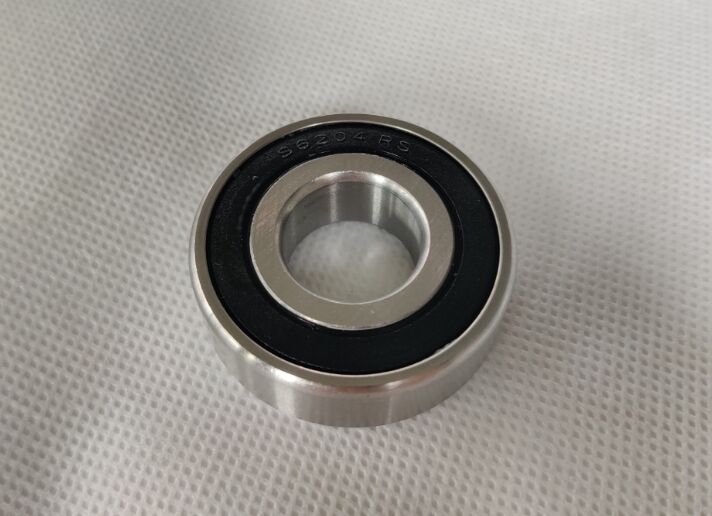
Stainless Steel Deep Groove Ball Bearings
One of the most reliable deep groove ball bearing corrosion solutions is upgrading the bearing material from standard bearing steel to stainless steel.
- Martensitic Stainless Steel
Deep groove ball bearings manufactured from 440C stainless steel offer a good balance of hardness, load capacity, and corrosion resistance. Compared with traditional bearing steel, 440C stainless steel provides improved resistance to moisture and mild chemical exposure.
- Austenitic Stainless Steel
For applications requiring even higher corrosion resistance, 316 stainless steel bearings can be considered. These bearings are commonly used in marine equipment, food processing machinery, and medical devices where exposure to corrosive substances is frequent.
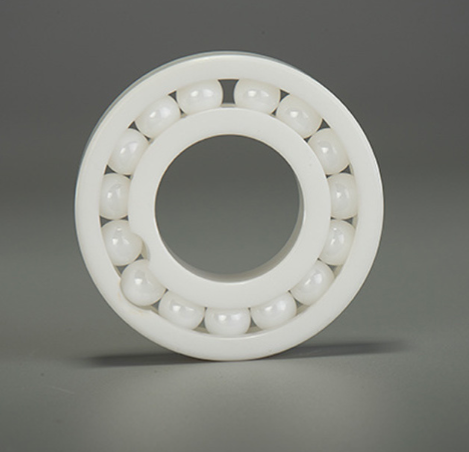
Hybrid Ceramic and Full Ceramic Bearings
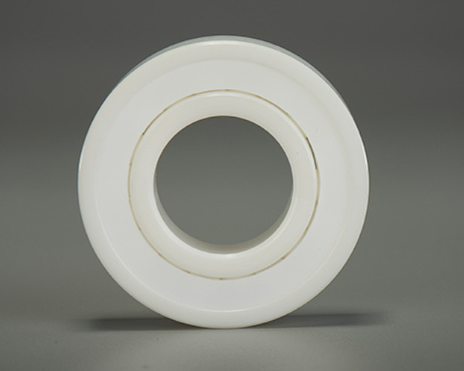
For extreme environments, hybrid ceramic bearings or full ceramic bearings provide advanced deep groove ball bearing corrosion solutions.
Ceramic materials such as silicon nitride (Si₃N₄) and zirconia (ZrO₂) have excellent chemical stability and are highly resistant to acids, alkalis, salts, and water. Because of this, ceramic bearings are often used in highly corrosive industrial environments. However, their higher cost usually limits them to specialized applications.
2. Surface Protection as a Deep Groove Ball Bearing Corrosion Solution
When replacing the bearing material is not practical, surface treatments can significantly improve corrosion resistance.
Anti-Corrosion Coatings
Applying special coatings is a practical deep groove ball bearing corrosion solution for improving durability in moderate corrosion environments.
- Thin Dense Chrome Plating
Chrome plating on the raceways and rolling elements creates a protective barrier that reduces direct contact between metal surfaces and corrosive media.
- Special Anti-Corrosion Coatings
Nickel-based composite coatings or polymer coatings can form a dense protective layer, providing enhanced corrosion protection for industrial applications.
Phosphating or Black Oxide Treatment
Phosphating or black oxide treatment can also be applied to bearing rings. While these treatments are mainly used to improve wear resistance, they also provide temporary protection against oxidation and rust during storage and transportation.
3. Sealing and Lubrication Improvements
Another critical part of effective deep groove ball bearing corrosion solutions is strengthening lubrication and sealing systems.
Anti-Rust Lubricants
High-performance lubricants containing anti-rust additives and oxidation inhibitors help form a protective film on metal surfaces. This film prevents moisture and oxygen from contacting the bearing steel, reducing corrosion risks.
Improved Bearing Sealing
Proper sealing is essential for protecting bearings from corrosive environments.
- Upgraded Sealing Systems
Standard seals can be upgraded to low-friction seals or labyrinth sealing structures, which provide improved protection against water and contaminants.
- External Protective Design
Additional external protection such as improved bearing housing seals or protective covers can create multiple barriers to prevent corrosive substances from entering the bearing.
4. Conclusion
Implementing effective deep groove ball bearing corrosion solutions requires a comprehensive approach that includes material upgrades, protective coatings, and improved sealing and lubrication systems.
Among these solutions, using corrosion resistant deep groove ball bearings such as stainless steel or ceramic bearings is often the most reliable long-term strategy. When combined with proper lubrication and high-performance seals, these solutions can greatly improve bearing durability and ensure stable operation even in harsh environments.