Newsroom
From Spring Festival Gala to Smart Factories: How Robotics Drives Mechanical Precision — and Why Bearings Matter
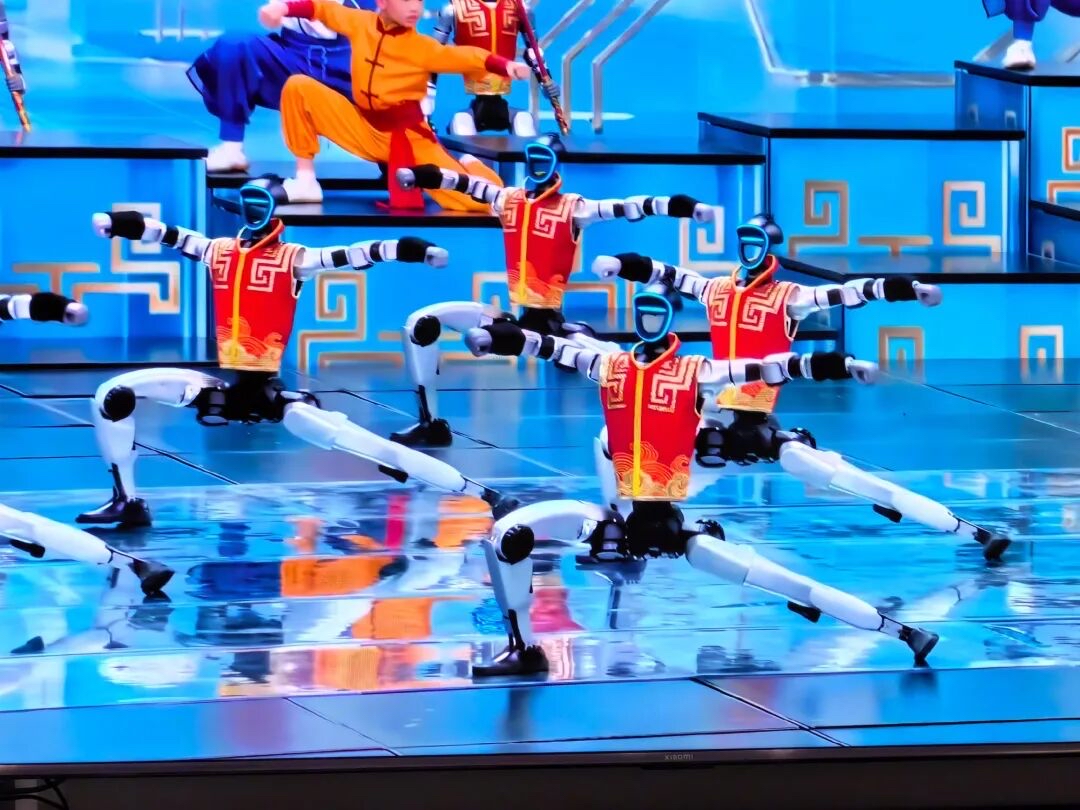
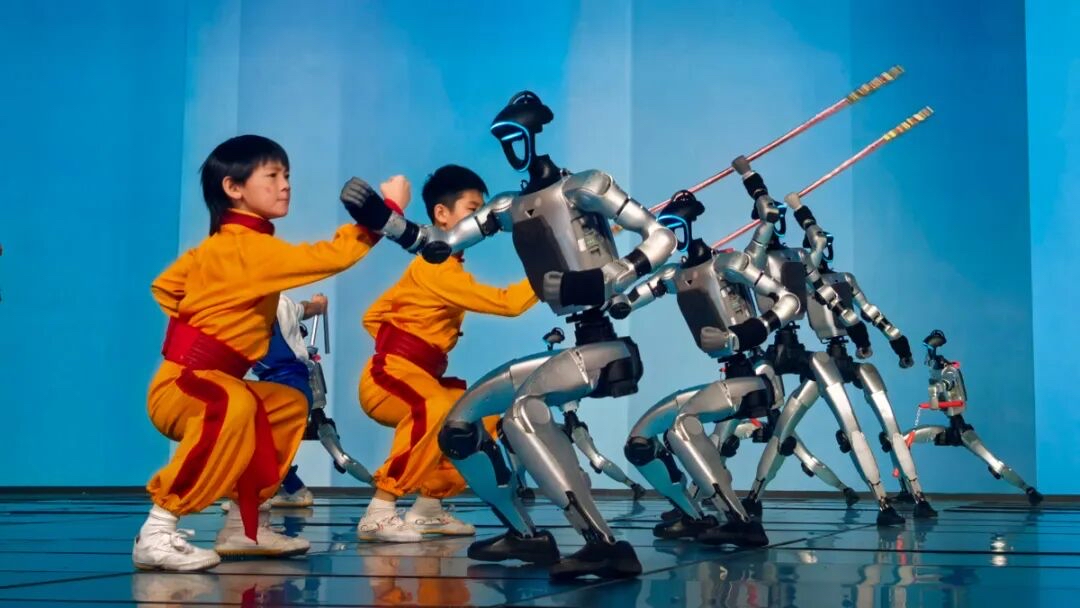
In February 2026, the Chinese Spring Festival Gala captivated millions with an unforgettable performance featuring humanoid robots synchronized with live dancers, performers, and music. While the spectacle highlighted the future of entertainment, it also reminded audiences that robotics — once a futuristic concept — is now rapidly transforming industries across the world.
From large-scale performance art to precision manufacturing, one thing is clear: robotics technology depends on mechanical precision — and precision depends on high-performance bearings.
Robots on the Big Stage: A Glimpse of Precision in Motion
The 2026 Spring Festival Gala’s robot performance impressed not only with choreography, but with flawless timing, stable balance, and smooth movement. These humanoid machines executed complex steps over an extended performance, demonstrating:
- Synchronized multi-axis motion
- High-frequency actuator response
- Stable balance and dynamic control
- Minimal vibration and noise
These characteristics are not only visual — they are deeply rooted in the mechanical fundamentals of robot design.
What Makes Robots Move with Precision?
At the heart of every robot — whether on a grand stage or in an industrial assembly line — are mechanical joints and motion systems that must operate with extreme accuracy and reliability.
Key factors for precision robotic movement include:
- High rotational accuracy
- Low friction transmission
- Minimal backlash and vibration
- Reliable torque transfer
- High-speed response to control signals
This is where bearings play a critical role.
Why Bearings Matter in Robotics
Bearings are foundational elements in robotic motion systems. They enable rotation, support loads, and provide stable motion under dynamic conditions. In the context of humanoid robots, industrial robots, and service robots, bearings must meet a unique set of requirements:
🌀 Multi-Directional Load Support
Robotic joints often experience both radial and axial loads — sometimes simultaneously. This requires bearings such as:
- Angular Contact Ball Bearings — for high-speed and axial load capacity
- Spherical Roller Bearings — for load-heavy joints with misalignment needs
⚙ High-Speed, High-Precision Performance
Actuators in robots accelerate and decelerate rapidly, generating high-frequency dynamic loads. Bearings used in these systems must offer:
- Low friction coefficients
- High rotational accuracy (P5, P4 precision grades)
- Stable preload characteristics
🔊 Low Noise and Smooth Motion
Especially in service and entertainment robots like those seen on the Spring Festival Gala stage, noise and vibration must be minimized. Deep groove ball bearings or hybrid ceramic bearings are often employed to meet:
- Low acoustic emission
- High-speed stability
- Long lubrication life
🔌 Compact and Lightweight Solutions
Robotic systems strive for minimal weight and compact design, especially in humanoid and articulated applications. Thin-section bearings and miniature precision bearings help meet:
- Space constraints
- Weight targets
- Compact joint packaging
From Stage to Factory: A Broader Robotics Trend
The Spring Festival Gala robot performance was more than entertainment — it showcased a broader global trend: robotics is no longer a niche technology. Robots are increasingly common in:
- Assembly lines and welding stations
- Logistics automation and material handling
- Collaborative robots (cobots) in factories
- Medical assist systems and rehabilitation robotics
- Consumer robotic assistants
Across these applications, the demands on bearings grow more complex and more specific.
How Bearing Technology Is Responding
To meet the evolving needs of robotics, modern bearing solutions are advancing in several areas:
🧠 Precision Engineering
Higher precision grades for smoother motion and tighter control loops.
🌡 Advanced Materials
Hybrid ceramic components and optimized steel alloys for better wear resistance and reduced thermal sensitivity.
🛡 Optimized Lubrication
High-speed greases and solid lubricants for consistent performance in high-frequency motion.
🛠 Application-Specific Customization
Tailored bearing solutions for joint positions, load profiles, and motion profiles unique to robot designs.
Conclusion: Every Move Begins with Precision
From the captivating choreography of humanoid robots on the Spring Festival Gala stage to the tireless movements of industrial and service robots, precision motion is the cornerstone of modern robotics — and precision motion is powered by bearings.
As robotics continues to advance into more aspects of society and industry, bearings will remain a fundamental enabling technology — silently supporting every joint, rotation, and motion with reliability and finesse.