Newsroom
How to Choose the Right Bearing for Your Application?
Selecting the right bearing is critical to ensuring the performance, reliability, and service life of any mechanical system. However, with so many bearing types and configurations available, choosing the correct one can be challenging.
Understanding key operating conditions and application requirements is the first step toward making the right decision.
What Factors Should Be Considered?
Before selecting a bearing, engineers should evaluate several important factors:
1.Load Type and Magnitude
Determine whether the application involves radial loads, axial loads, or combined loads.
- For mainly radial loads → Deep groove ball bearings
- For combined loads → Angular contact ball bearings
- For heavy-duty applications → Tapered roller bearings
Choosing the correct type ensures proper load distribution and prevents premature failure. 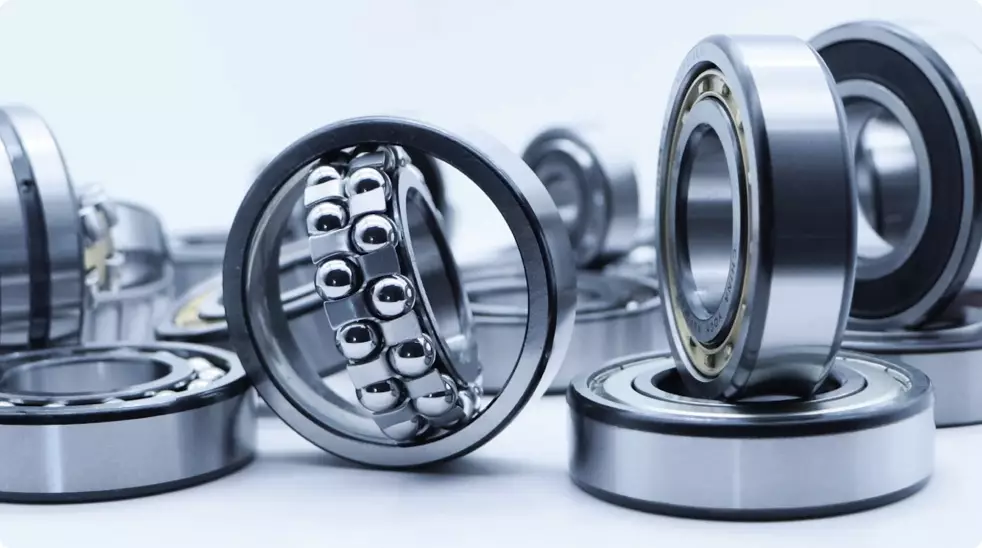
2. Speed Requirements
Operating speed plays a major role in bearing selection. High-speed applications require bearings with low friction and high precision.
- High-speed systems → Deep groove or angular contact bearings
- Lower-speed, heavy-load systems → Roller bearings
Improper selection can lead to overheating and reduced efficiency.
3. Precision and Noise Level
In applications such as machine tool spindles, electric motors, or medical equipment, precision and noise are critical.
Higher precision grades (such as P4 or P5) and proper preload can significantly improve performance and reduce vibration.
4. Operating Environment
Environmental conditions must also be considered:
- Dust or contamination → Sealed bearings
- High temperature → Special materials or lubricants
- Moisture → Corrosion-resistant solutions
Selecting the right sealing and material helps extend bearing life.
5. Lubrication Requirements
Proper lubrication is essential for reducing friction and wear. Consider:
- Grease vs oil lubrication
- Maintenance intervals
- Operating temperature
Incorrect lubrication is one of the leading causes of bearing failure.
Common Bearing Types and Their Applications
Understanding the strengths of different bearing types can simplify the selection process:
- Deep Groove Ball Bearings
Ideal for high-speed, low-friction applications such as electric motors.
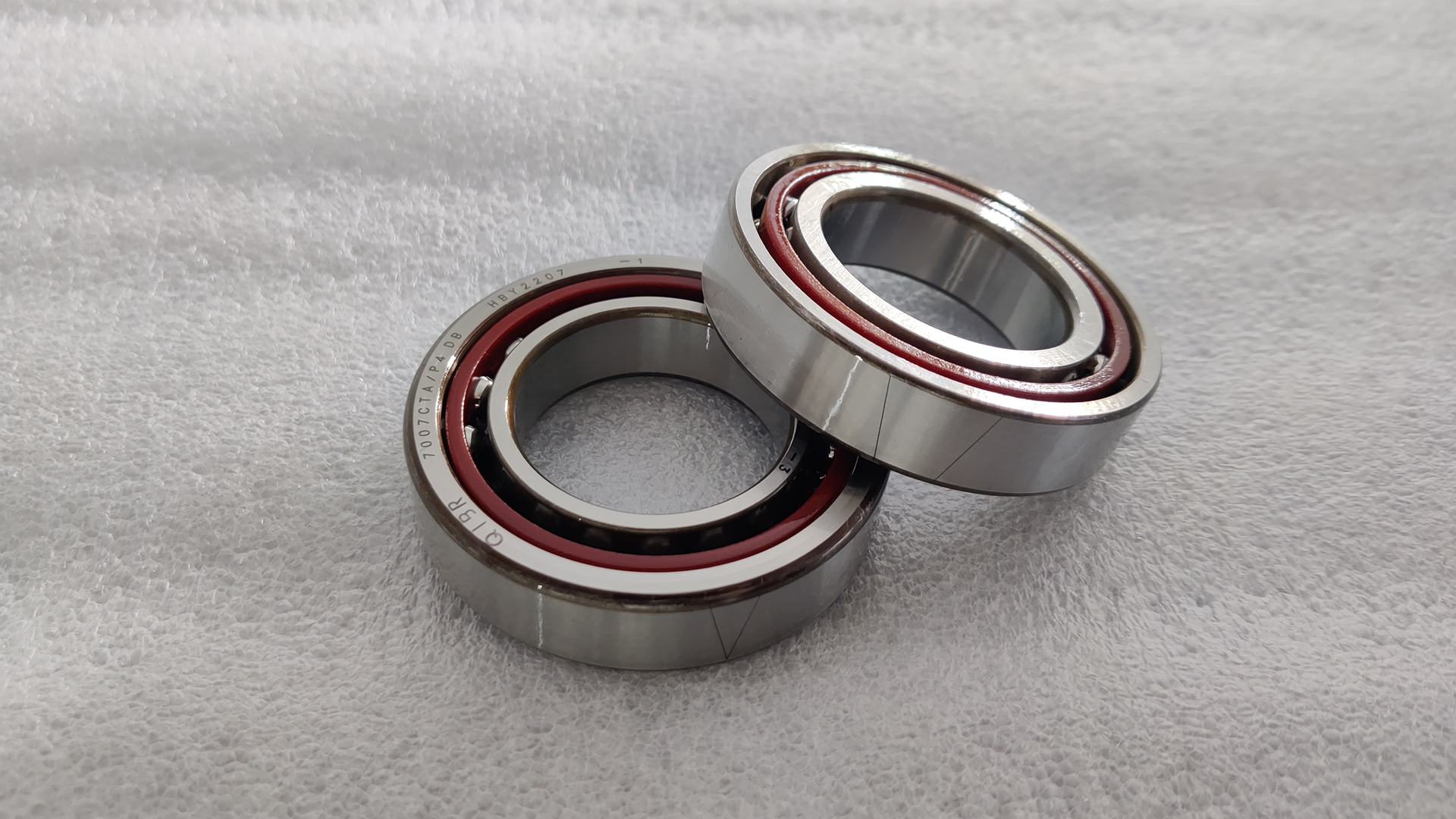
Suitable for combined loads and high-precision systems like spindles.
- Tapered Roller Bearings
Designed for heavy loads and shock conditions, commonly used in gearboxes and automotive systems.
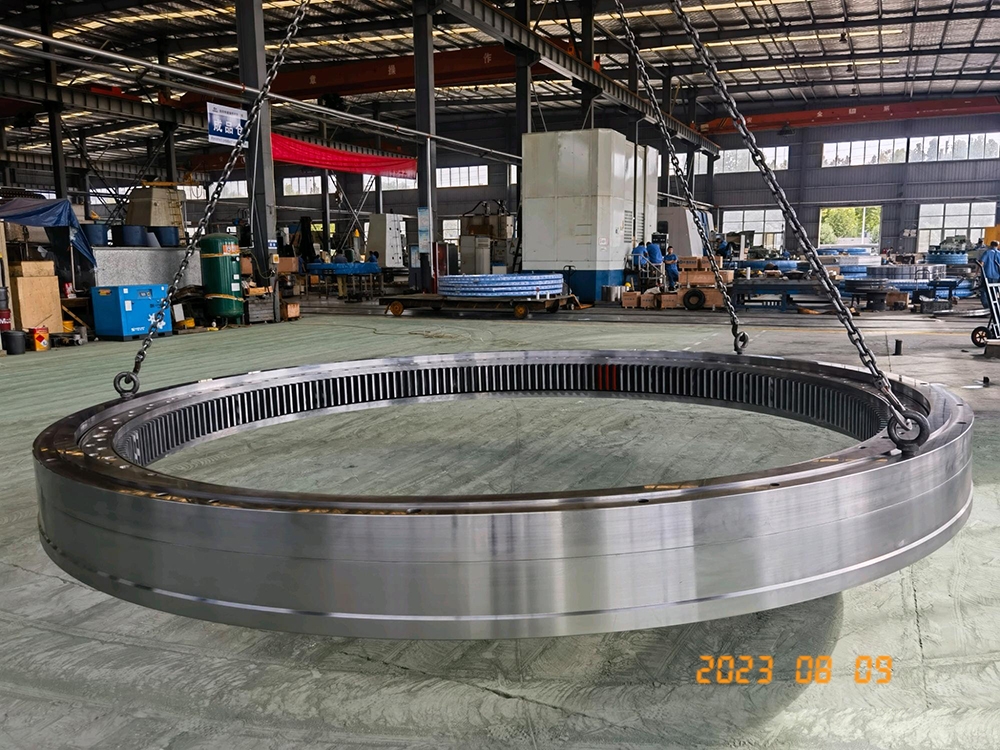
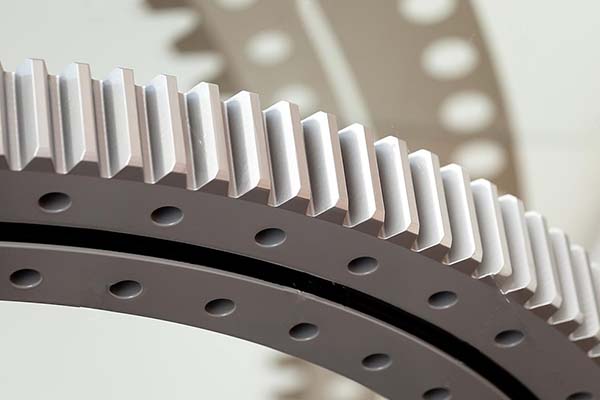
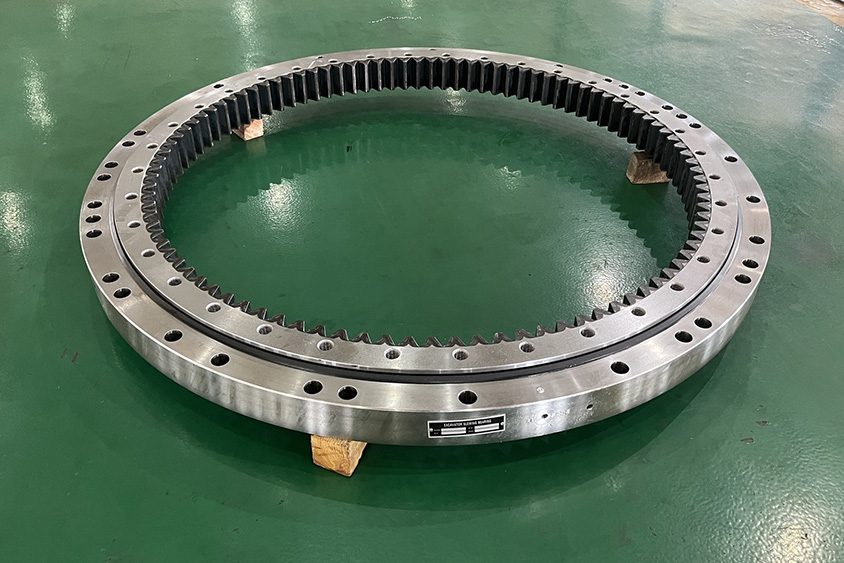
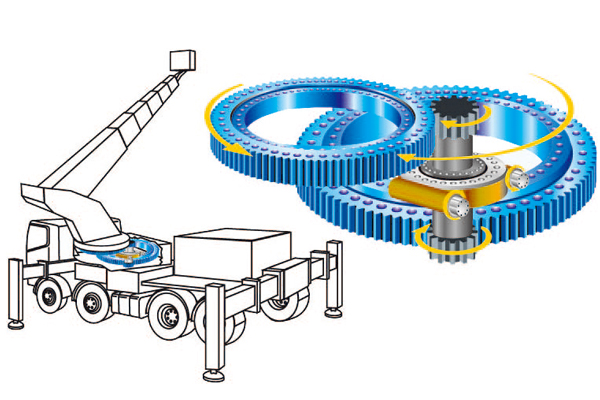
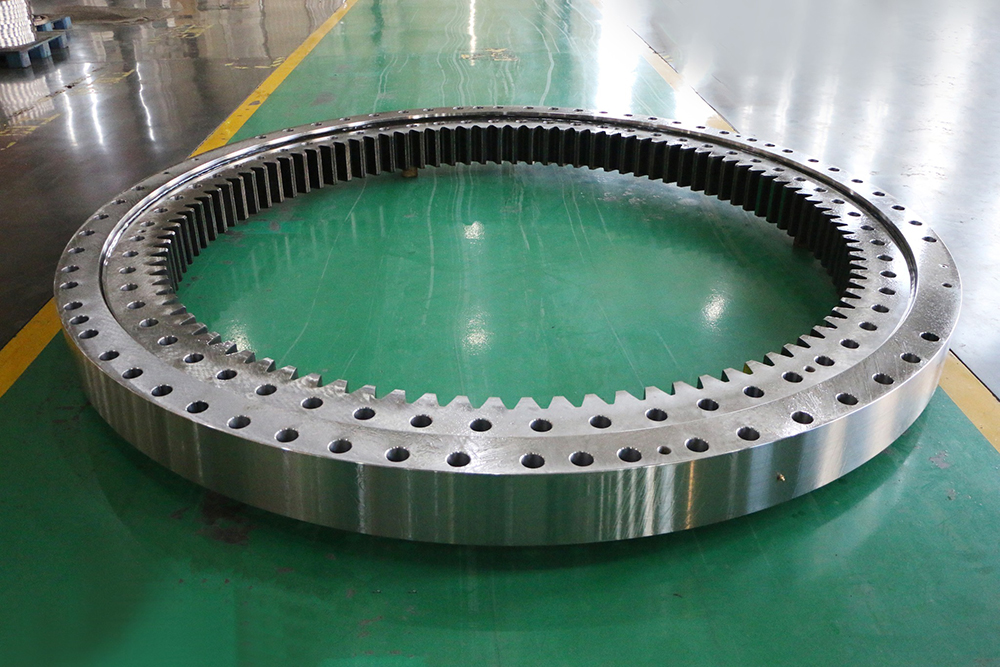
- Slewing Bearings
Used in large equipment requiring rotation under heavy loads, such as cranes and excavators.
When Should You Consider Advanced Solutions?
In demanding applications, standard bearings may not be sufficient. Consider advanced options such as:
- Hybrid ceramic bearings for high speed and reduced friction
- Electrically insulated bearings for motor applications with current risk
These solutions can significantly improve performance and reliability.
Conclusion
Choosing the right bearing requires a clear understanding of load conditions, speed, environment, and performance requirements. Making the correct selection not only improves efficiency but also reduces maintenance costs and extends service life.
Need Help Selecting the Right Bearing?
If you are unsure which bearing is suitable for your application, feel free to share the following information with us:
- Application type
- Load conditions
- Speed (RPM)
- Operating environment
Our engineering team will help you find the most suitable solution.