Newsroom
How to Choose the Right Forklift Bearings
2026-04-15 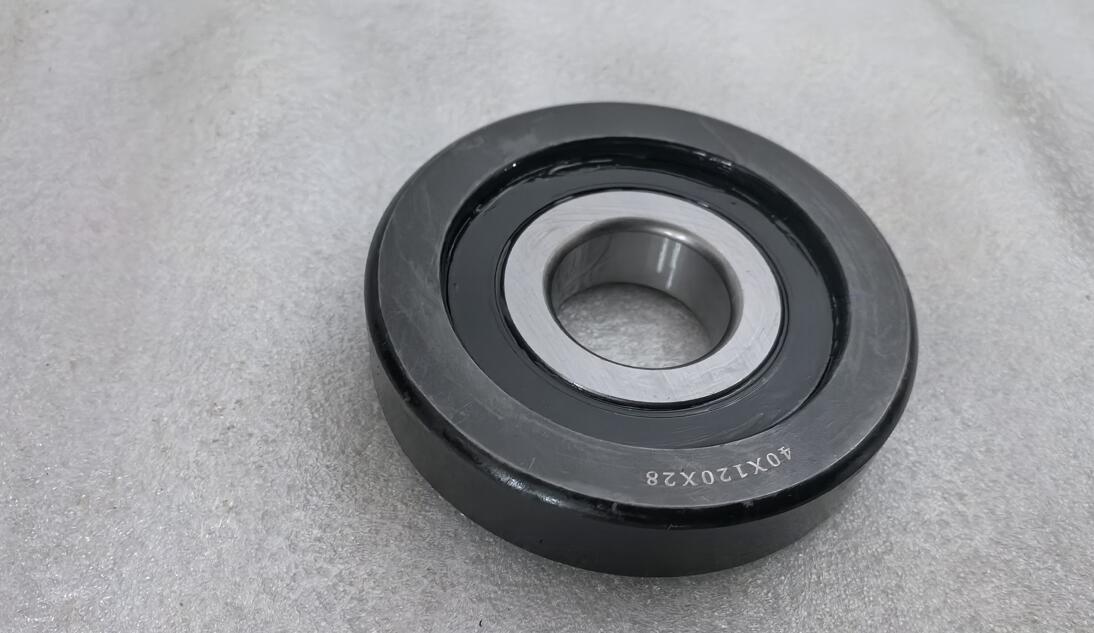 1. Determine the Application Position (Most Critical)
Different positions require different bearing types; incorrect selection will lead to rapid wear and failure.
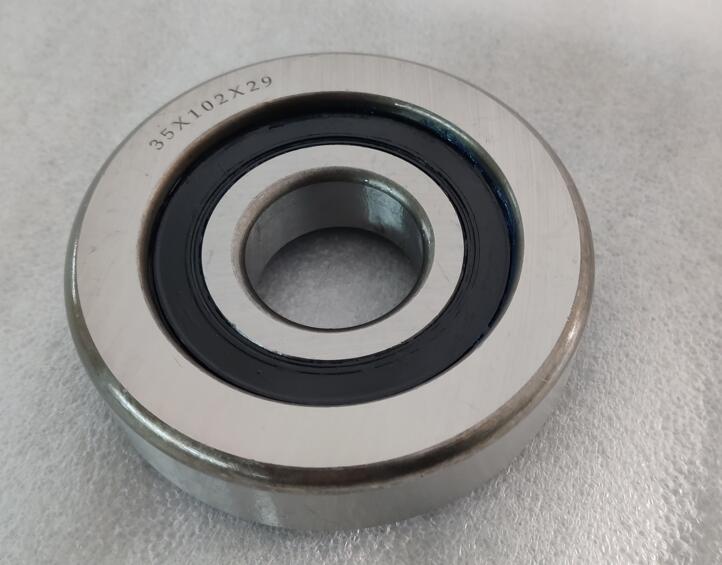
- Mast lifting main rails: Choose mast main roller bearings with thick outer rings, high radial load capacity and excellent impact resistance.
- Mast side guiding & anti-sway: Select side roller bearings or combined roller units to withstand lateral loads and ensure stable movement.
- Lifting chain & sprocket guides: Use stud type roller bearings for easy installation and resistance to alternating tension loads.
- Forklift wheels (front & rear): Adopt tapered roller bearings (essential for 3T+ forklifts) to support combined radial and axial loads.
- Cylinder joints & tilt cylinders: Apply spherical plain bearings for self-aligning performance and high resistance to eccentric loads.
- Gearbox & steering knuckles: Select needle roller bearings, cylindrical roller bearings or angular contact ball bearings for compact structure and heavy radial loads.
2. Consider Load Capacity Based on Forklift Capacity
- 1–2T electric forklifts: Standard heavy-duty roller bearings are applicable.
- 3–5T internal combustion forklifts: Must use heavy-duty, quenched thick outer ring bearings.
- Over 5T heavy-duty forklifts: Need double-row roller bearings or forged outer ring bearings for ultra-high load capacity.
Rule of thumb: Heavier forklift capacity requires thicker outer rings and larger rollers. 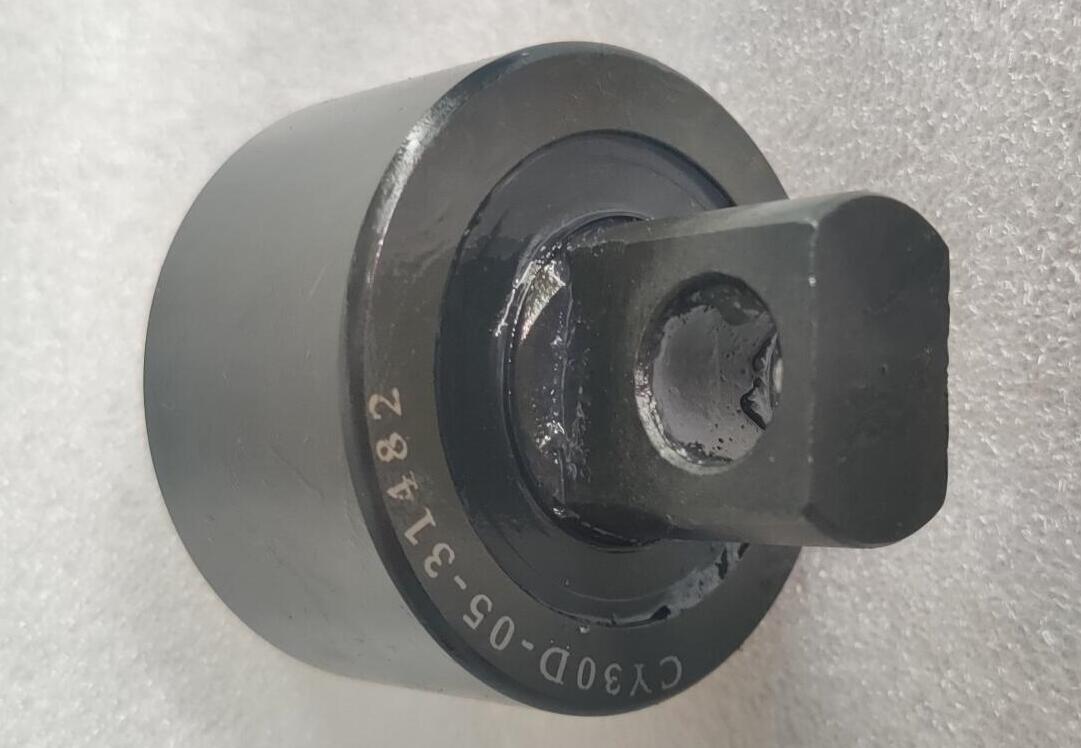
3. Select Based on Working Environment (Sealing & Material)
- Clean warehouse environment: Standard 2RS rubber-sealed bearings are sufficient.
- Construction sites, dusty or humid conditions: Use double-layer sealed bearings (metal + rubber) or fully closed dust-proof structures to prevent contamination.
- Cold storage or outdoor rainy conditions: Choose stainless steel bearings (420/304) or anti-corrosion treated bearings.
- High-intensity continuous operation: Prefer relubricable bearings for extended service life.
4. Choose Suitable Bearing Material
- General working conditions: GCr15 high-carbon chromium bearing steel – high hardness, wear-resistant and cost-effective.
- Anti-corrosion & mild rust-proof environments: 420 stainless steel – good rust resistance and moderate hardness, widely used in forklifts.
- Humid & heavy-load environments: 304 stainless steel with surface quenching – strong corrosion resistance with decent load capacity.
- Extreme heavy-duty & harsh conditions: 20Cr2Ni4A carburized bearing steel – excellent impact resistance and long service life for high-end forklifts.
5. Consider Precision & Installation Type
- Original equipment & high stability demand: P6 precision grade forklift roller bearings.
- Maintenance & replacement: General P0 precision grade is suitable.
- Quick repair scenarios: Integral stud-type bearings for fast installation.
- Heavy-duty models: Split-type bearings for higher load capacity.