Newsroom
How to Choose Thin Section Bearings for Your Application?
As equipment becomes more compact and lightweight, thin section bearings are increasingly used in robotics, medical devices, and automation systems.
However, due to their unique structure, selecting the right thin section bearing requires careful consideration of load conditions, sealing requirements, and structural design.
What Are Thin Section Bearings?
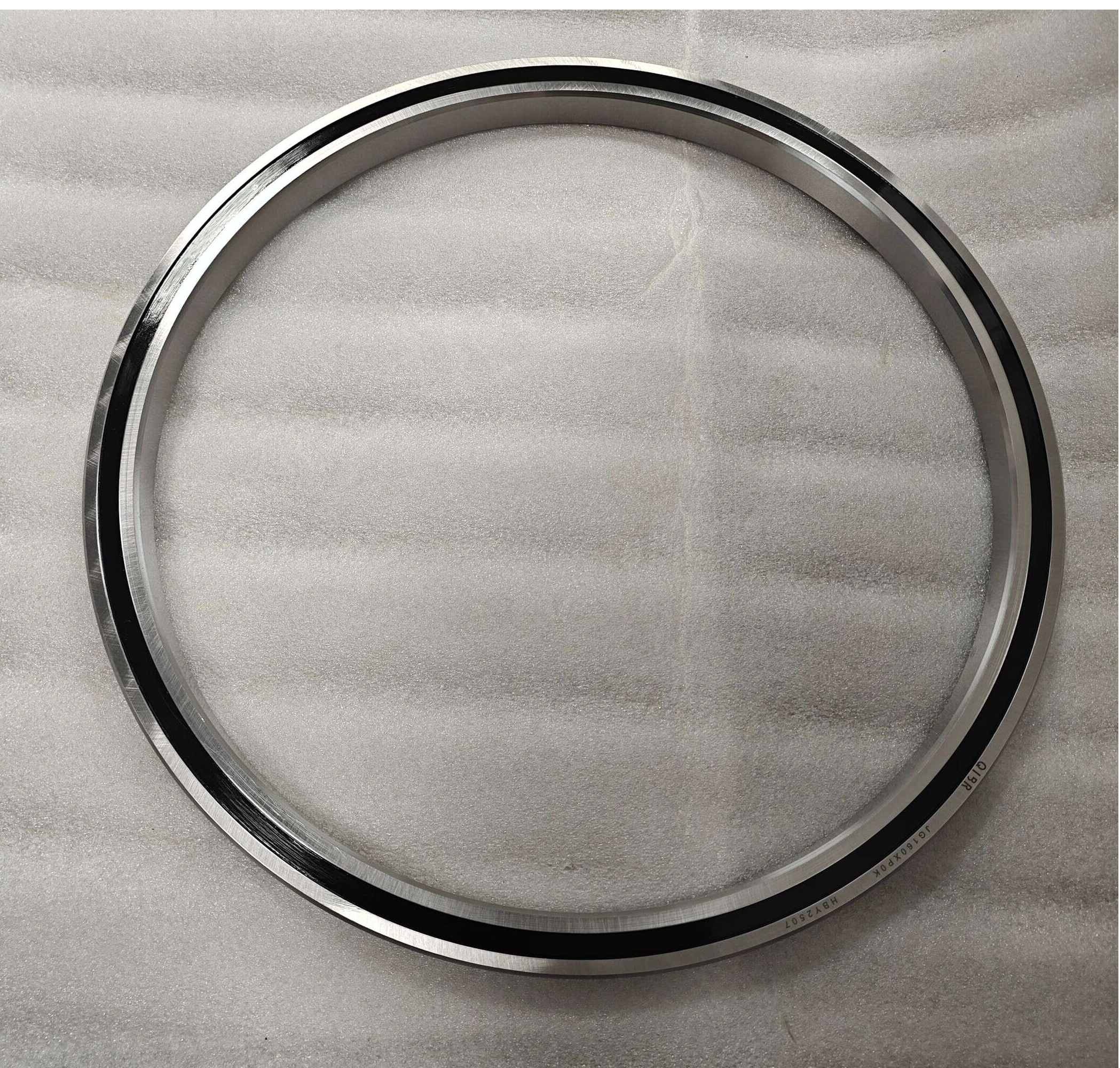
Thin section bearings are designed with a small cross-section and consistent profile, regardless of bore size. This allows engineers to reduce overall system weight and save installation space while maintaining reliable performance.
What Structural Types Are Available?
Thin section bearings are generally divided into three main types based on internal structure:
1. Deep Groove Ball Type (Type C)
- Suitable for radial loads and light axial loads
- Low friction, high-speed capability
- Widely used in general applications
👉 Best for: light load, high-speed systems
2. Angular Contact Type (Type A)
- Designed for combined radial and axial loads
- Higher rigidity and better positioning accuracy
- Can be used in matched pairs for higher performance
👉 Best for: precision equipment and moderate load 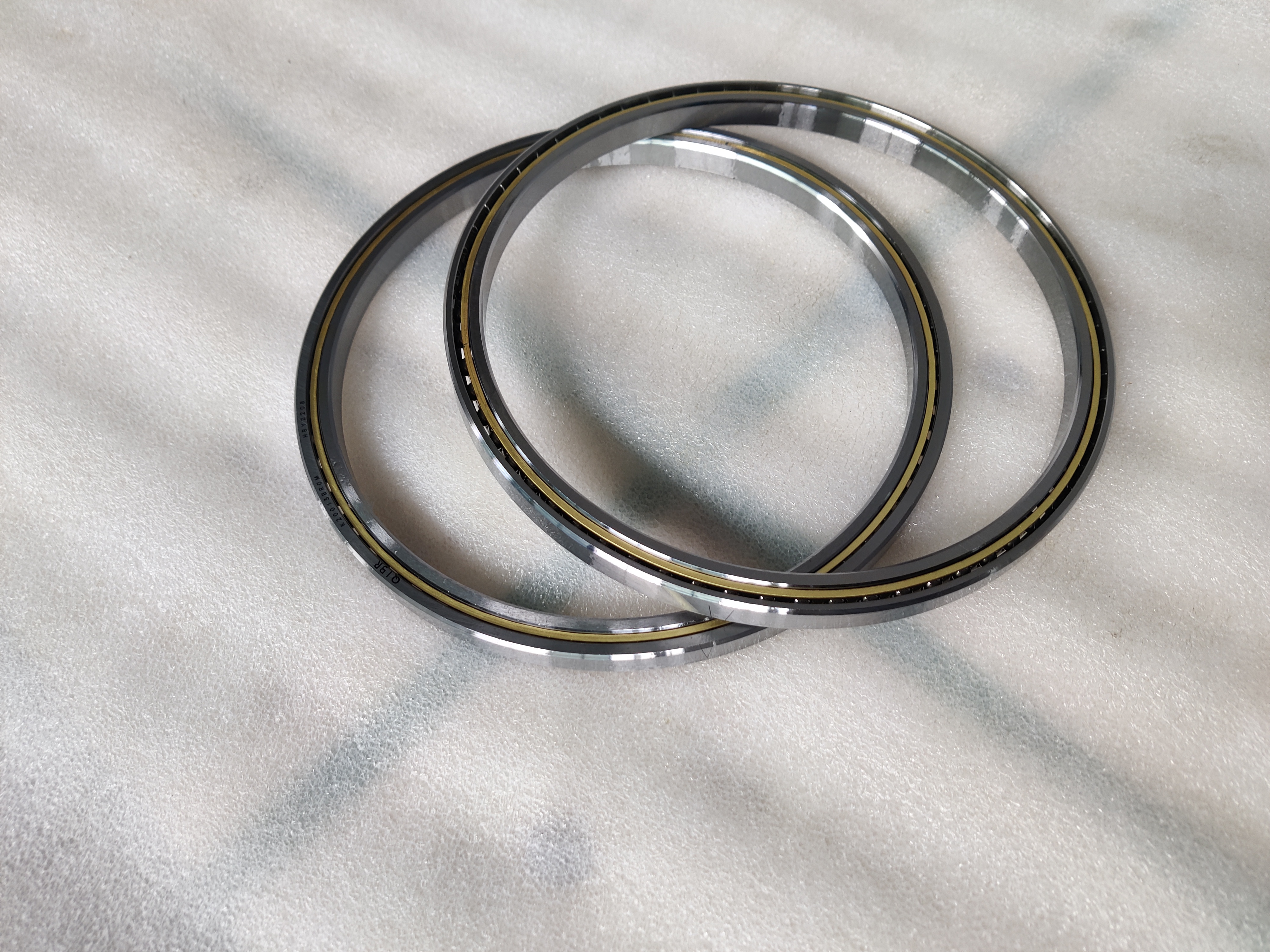
3.Four-Point Contact Type (Type X)
- Can support axial loads in both directions
- Also handles moment loads
- Compact solution replacing paired bearings
👉 Best for: applications with axial + moment load
How to Choose the Right Sealing Option?
Sealing is an important factor affecting bearing performance and service life.
Open Type (no seal)
- Lowest friction
- Suitable for clean environments
Shielded Type (metal shield)
- Protects against dust
- Maintains relatively low friction
Sealed Type (rubber seal)
- Better protection against contamination and moisture
- Slightly higher friction
👉 Choose based on environment, not just speed
What Factors Should Be Considered?
When selecting thin section bearings, consider:
- Load conditions
Radial, axial, or moment loads
- Speed requirements
Higher speeds require lower friction designs
- Installation space
Thin section bearings are ideal for compact designs
- Precision requirements
Preload and bearing type affect accuracy
Typical Applications
Thin section bearings are widely used in:
- Robotics
- Medical equipment
- Semiconductor machinery
- Automation systems
Their compact design makes them ideal for applications where space and weight are critical.
Conclusion
Selecting the right thin section bearing involves choosing the appropriate structure, sealing type, and performance parameters.
A well-matched bearing can significantly improve system efficiency, reduce weight, and extend service life.
Need Help with Selection?
If you are not sure which type is suitable, feel free to share:
- Load conditions
- Speed
- Space limitations
- Application details
We will help you select the most suitable solution.