Newsroom
How to Prevent Surface Corrosion in Deep Groove Ball Bearings and Extend Service Life
2026-02-13Surface corrosion is one of the most common causes of premature failure in deep groove ball bearings. Once rust forms on the raceway, it destroys surface smoothness, breaks the lubrication film, and dramatically reduces bearing fatigue life.
If your equipment operates in humid, high-temperature, or chemically aggressive environments, corrosion prevention is not optional — it is essential for long-term reliability.
At its core, preventing corrosion requires the right combination of sealing technology, lubrication management, material enhancement, and environmental control.
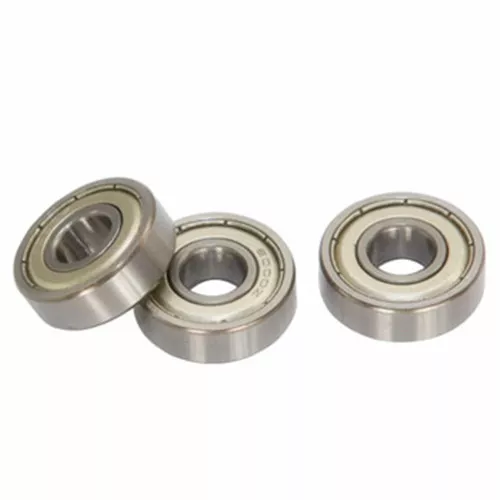
1. Why Do Deep Groove Ball Bearings Corrode?
Deep groove ball bearings operate with precision-machined raceways and rolling elements.
These surfaces are highly sensitive to:
- Moisture and water vapor
- Condensation during equipment shutdown
- Acidic by-products from lubricant degradation
- Dust and contaminants entering through weak seals
Without proper protection, even high-quality bearings will fail prematurely.
i. High-Performance Sealing: The First Line of Defense
Effective sealing prevents water vapor and contaminants from entering the bearing cavity.
- Select sealing structures suited to your working environment
- Ensure tight installation to avoid micro gaps
- Regularly inspect seal condition in harsh environments
A strong sealing system dramatically reduces internal corrosion risk and protects the rolling surfaces.
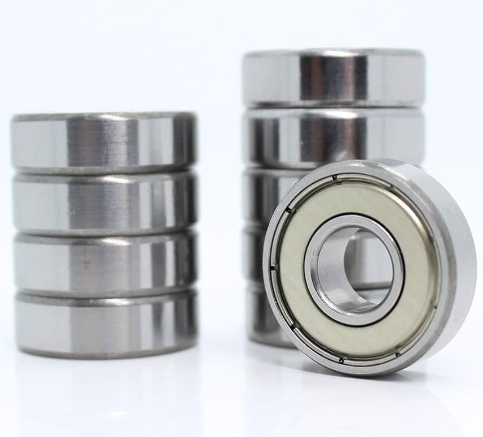
ii. Advanced Lubrication Protection
Lubricants do more than reduce friction — they form a protective anti-corrosion barrier.
To maintain optimal protection:
- Use grease or oil with anti-rust additives
- Monitor lubricant aging and water contamination
- Replace degraded lubrication promptly
- Perform short low-speed rotation during long shutdowns to redistribute the oil film
iii. Anti-Corrosion Materials & Surface Treatments
For applications exposed to moisture, chemical vapors, or marine conditions, selecting enhanced surface treatments is critical.
Options include:
- Anti-corrosion coating technologies
- Surface strengthening processes
- Improved material composition for chemical stability
These upgrades significantly improve resistance against rust, pitting, and chemical attack.
iv. Environmental & Storage Management
Corrosion often begins during storage or idle periods.
Best practices include:
- Store bearings in dry, humidity-controlled environments
- Avoid drastic temperature differences to prevent condensation
- Improve ventilation or add drying systems in enclosed spaces
- Prevent direct exposure to acidic liquids or corrosive gases
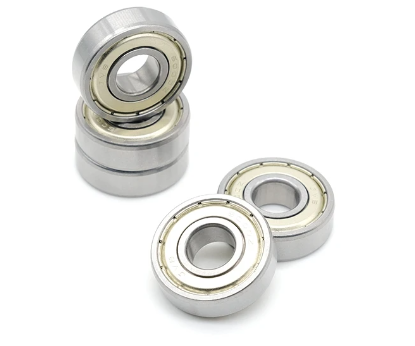
2. Long-Term Reliability Starts with Corrosion Prevention
Surface corrosion in deep groove ball bearings weakens performance, increases vibration, and shortens service life. However, with a comprehensive prevention strategy — sealing integrity, optimized lubrication, enhanced materials, and controlled environments — corrosion risks can be minimized.
Investing in corrosion protection today means:
- Longer bearing life
- Lower maintenance costs
- Reduced downtime
- Improved equipment stability
If your application operates in challenging environments, selecting corrosion-resistant deep groove ball bearings and implementing professional maintenance practices will safeguard your equipment performance for years to come.