Newsroom
Low Noise, High Speed: Bearing Requirements in Electric Drive Applications
As electric drive systems continue to reshape the automotive and industrial landscape, bearing performance has become a critical factor in determining efficiency, reliability, and user experience. Compared with traditional internal combustion engines, electric drives operate at significantly higher rotational speeds while placing much stricter demands on noise control, vibration behavior, and operational stability. These changes are redefining how bearings are designed, selected, and applied in modern electric drive applications.
New Operating Conditions for Electric Drive Bearings
Electric motors commonly operate at speeds exceeding 15,000 rpm, with some high-performance designs reaching even higher levels. At the same time, electric drive systems are far more sensitive to noise and vibration, as the absence of engine noise makes even minor bearing-related sounds noticeable. In addition, electric drives introduce unique challenges such as electrical current passage, rapid acceleration and deceleration, and higher thermal loads in compact installation spaces.
These operating conditions require bearings to deliver:
- Stable performance at high rotational speeds
- Extremely low noise and vibration levels
- Reliable lubrication under demanding thermal conditions
- Long service life despite increased mechanical and electrical stresses
As a result, bearing selection for electric drive applications has become a system-level engineering decision rather than a simple component choice.
Key Failure Risks in High-Speed Electric Drives
In electric drive systems, bearing failures often manifest differently than in conventional applications. Common issues include surface damage caused by electrical erosion, lubricant degradation due to elevated temperatures, and premature wear linked to insufficient rigidity or incorrect internal clearance. Even minor deviations in bearing geometry or surface finish can lead to increased noise, reduced efficiency, or shortened service life.
To mitigate these risks, manufacturers must carefully balance speed capability, load capacity, stiffness, and acoustic performance when designing bearing solutions for electric drives.
Role of Deep Groove Ball Bearings in Electric Drives
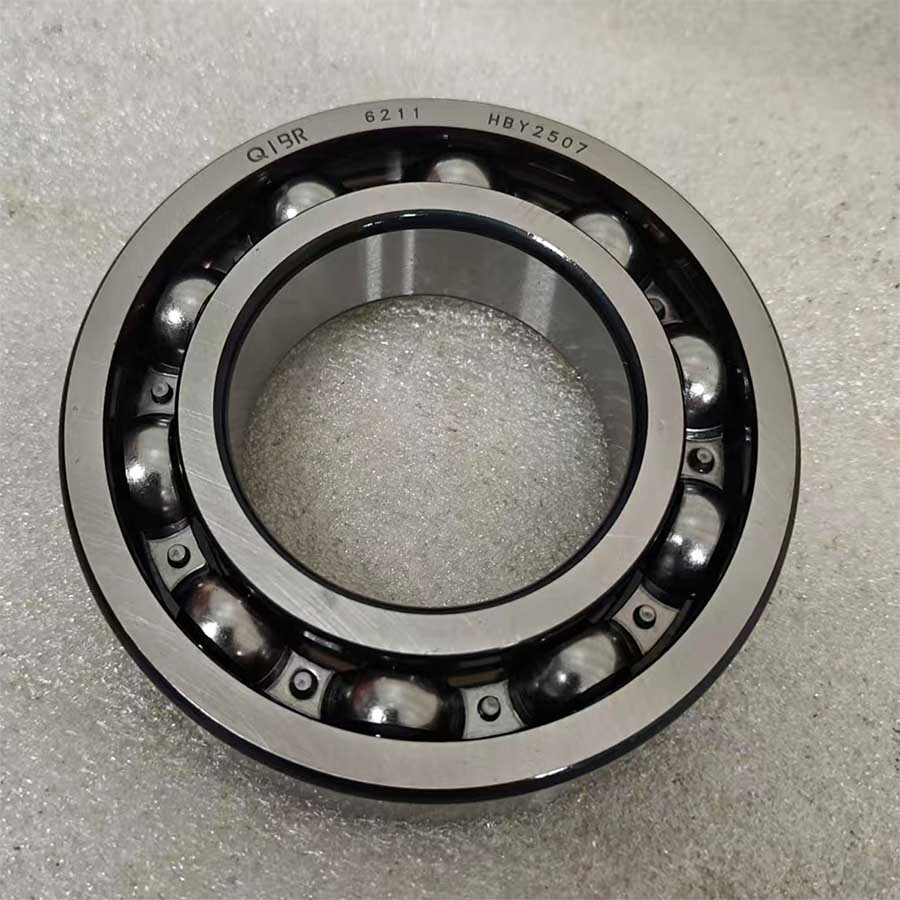
Deep Groove Ball Bearings remain one of the most widely used bearing types in electric drive systems due to their simple structure, low friction, and excellent high-speed capability. They are commonly applied in motor rotor support, auxiliary drive units, and secondary electric components where loads are primarily radial with moderate axial forces.
In electric drive applications, deep groove ball bearings are typically optimized through:
- High-precision raceway geometry for reduced vibration
- Controlled internal clearance to balance heat expansion and noise
- Advanced surface finishing to minimize friction and wear
- High-quality grease formulations designed for high-speed operation
When properly designed and manufactured, deep groove ball bearings offer a cost-effective and reliable solution for many electric drive applications while meeting strict noise and efficiency requirements.
Advantages of Angular Contact Ball Bearings
In applications where higher axial loads or precise shaft positioning are required, Angular Contact Ball Bearings play an increasingly important role. Their ability to accommodate combined radial and axial loads makes them well suited for integrated electric drive modules, high-speed motor assemblies, and applications requiring increased system rigidity.
Angular contact ball bearings are particularly valued in electric drive systems for:
- Higher axial stiffness compared to deep groove designs
- Improved control of shaft displacement under load
- Flexible configurations, including paired or back-to-back arrangements
However, their performance at high speed depends heavily on proper contact angle selection, preload control, and lubrication strategy. Excessive preload or unsuitable grease can lead to increased friction and heat generation, negatively affecting bearing life and acoustic behavior.
Lubrication and Noise Control Considerations
Lubrication plays a decisive role in determining bearing performance in electric drive applications. High-speed operation demands greases with excellent shear stability, low oil separation, and consistent lubrication films across a wide temperature range. At the same time, lubrication must contribute to noise reduction rather than becoming a source of vibration.
Noise optimization in electric drive bearings often involves:
- Tight control of dimensional tolerances
- Optimized raceway and ball surface roughness
- Careful selection of cage materials and designs
- Matching lubrication properties to operating speed and load
Even with advanced bearing designs, improper lubrication selection can significantly compromise performance.
System-Level Bearing Selection Strategy
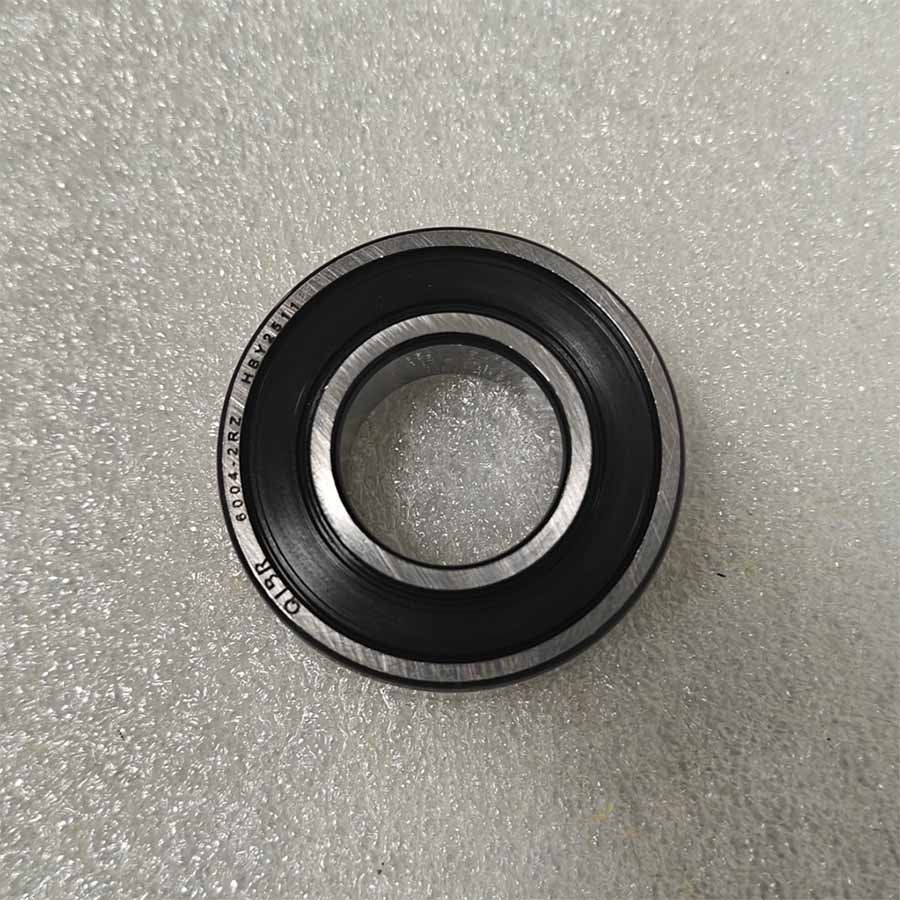
Rather than relying on a single bearing type, many electric drive systems use a combination of bearing solutions tailored to specific functional requirements. Deep groove ball bearings, angular contact ball bearings, and specialized electric motor bearing designs are often combined to achieve the desired balance between speed capability, load handling, stiffness, and acoustic performance.
Successful bearing selection requires a comprehensive evaluation of:
- Speed range and duty cycle
- Load magnitude and direction
- Noise and vibration limits
- Installation constraints and thermal behavior
This system-oriented approach ensures that bearings contribute positively to overall drive efficiency and durability.
The Value of Bearing Manufacturers in Electric Drive Development
As electric drive technology continues to evolve, bearing manufacturers are expected to provide more than standardized products. Engineering support, application analysis, and customized solutions are becoming increasingly important. By understanding the specific challenges of electric drive systems, bearing suppliers can help optimize performance, reduce development risk, and extend service life.
Low noise and high speed are no longer optional performance targets—they are fundamental requirements. Bearings designed with these priorities in mind will continue to play a vital role in the advancement of electric drive applications across automotive and industrial sectors.