Newsroom
Reliable Repair Methods for Stripped Bolt Holes in Bearing Units
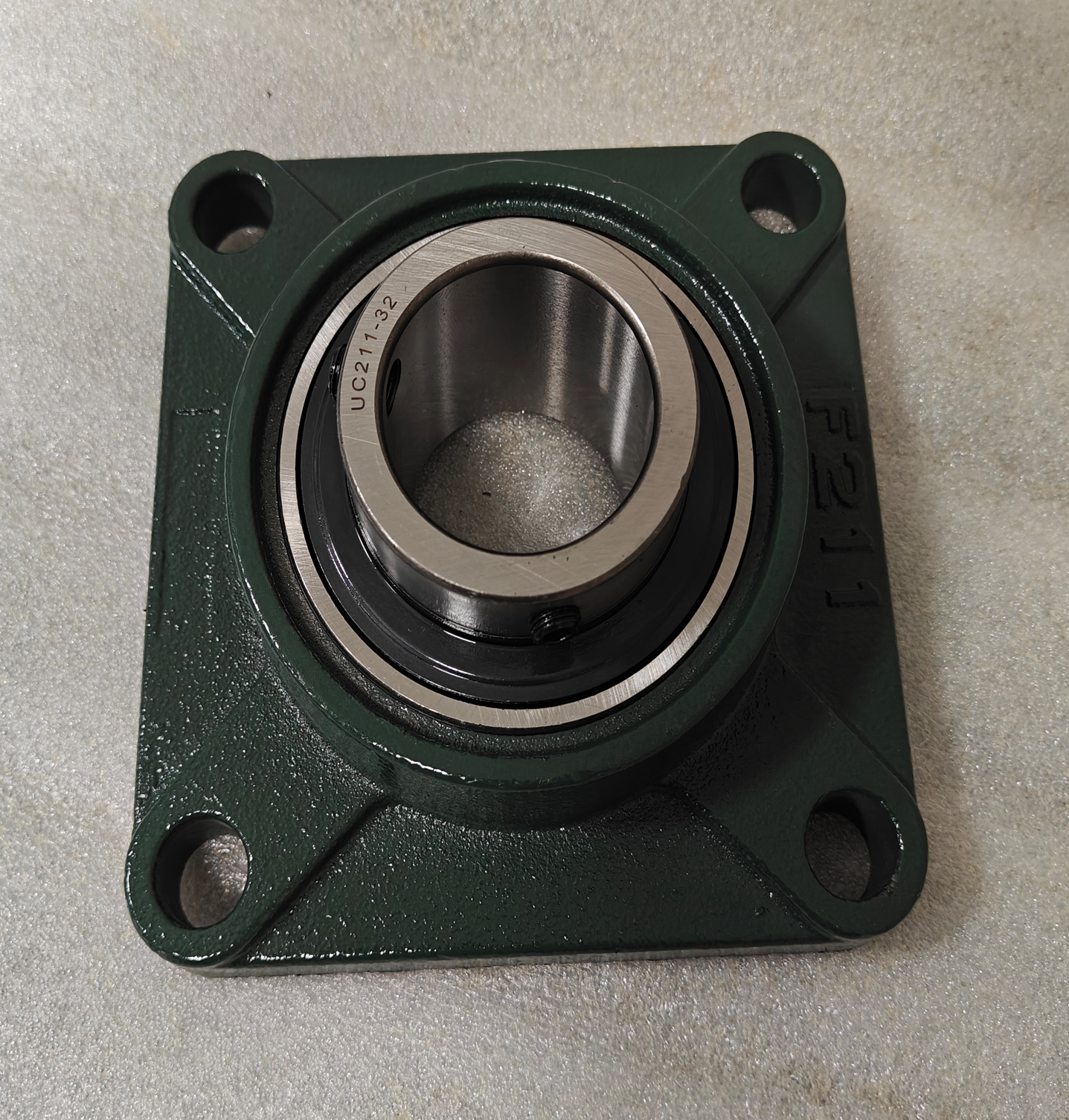
2026-04-03Stripped bolt holes in bearing units are a common yet critical issue that should not be overlooked. Improper repair methods can compromise the mounting rigidity of the unit, leading to abnormal bearing loads, increased vibration, noise, and even repeated failures.
A reliable repair solution should aim to restore the original connection strength and positioning accuracy, ensuring long-term structural integrity and stable operation.
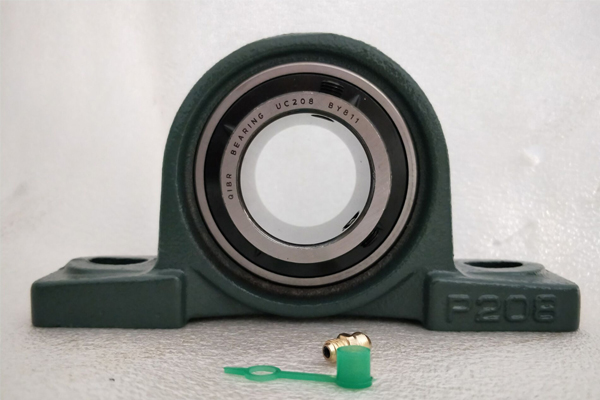
1. Causes of Thread Stripping and Repair Principles
Stripped threads in bearing unit mounting holes are typically caused by:
- Over-tightening
- Frequent assembly and disassembly
- Insufficient material strength
Once the threads are damaged, the required clamping force can no longer be maintained, which may result in micro-movement during operation.
Key repair principle:
The goal is not simply to make the bolt “tight again,” but to restore:
- Effective thread engagement length
- Uniform load distribution
Any temporary fix that reduces the structural rigidity of the bearing unit housing or affects its integrity should be avoided, as it may lead to further failure during operation.
2. Comparison of Common Repair Methods
Thread Repair Inserts (Recommended Solution)
Thread repair inserts are considered the most reliable method for repairing stripped threads in bearing units.
Advantages:
- Rebuild high-strength internal threads
- Restore or even improve load-bearing capacity
- Maintain original mounting position and alignment
- Suitable for long-term operation under vibration and dynamic loads
Enlarging Hole Diameter / Using Larger Bolts:
Although easy to implement, this method has significant drawbacks:
- May weaken the structure of the bearing unit
- Can affect mounting accuracy and alignment
- Not suitable for precision equipment
Adhesives or Temporary Fillers
Using adhesives, metal fillers, or improvised materials is only suitable for emergency repair.
Limitations:
- Poor resistance to vibration
- Prone to loosening over time
- Cannot ensure long-term reliability
3. Reassembly and Verification After Repair
After repairing the threads, proper reassembly is essential:
- Ensure full engagement between the bolt and repaired threads
- Avoid misalignment during installation
- Check the contact between the bearing unit and mounting surface
- Prevent uneven load distribution
Before returning to full operation:
- Perform a low-load test run
- Monitor for vibration, noise, or loosening
Only after confirming stable performance should the repair be considered complete.
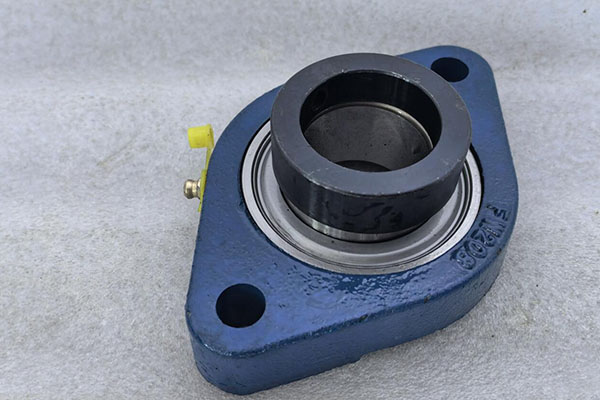
Key Takeaways:
- Focus on restoring structural strength, not temporary fixes
- Thread repair inserts are the most reliable long-term solution
- Proper installation and testing are critical
4. Conclusion
Reliable repair of stripped bolt holes in bearing units depends on selecting a method that restores the original load distribution and structural integrity.
By combining proper repair techniques with standardized assembly and verification, you can effectively prevent recurring failures and ensure long-term stable operation.