Newsroom
Slewing Bearings vs Cross Roller Bearings: Choosing the Right Bearing for Modern Machinery
In today's fast-evolving industrial landscape, choosing the right rotational bearing can make the difference between smooth operation and costly downtime. Two widely used solutions—slewing bearings and cross roller bearings—may look similar at first glance, but they serve very different purposes. Understanding their differences is crucial for engineers, designers, and procurement teams.
Slewing Bearings: Power and Strength for Heavy Loads
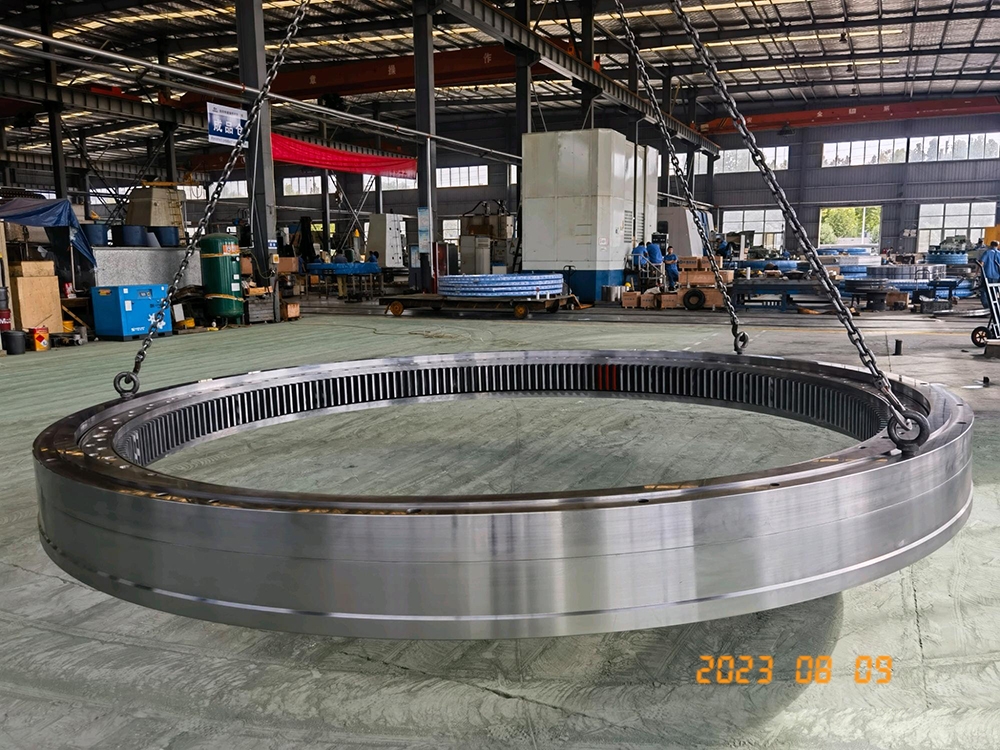
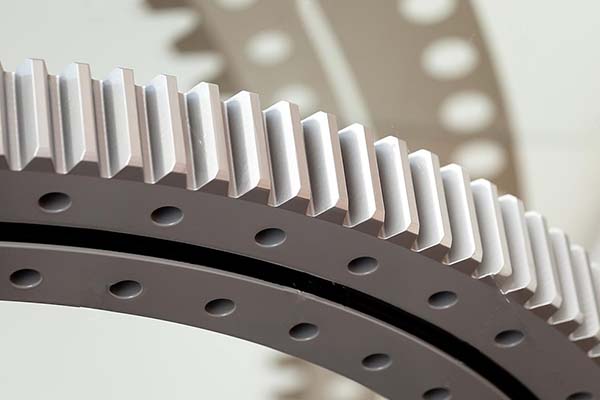
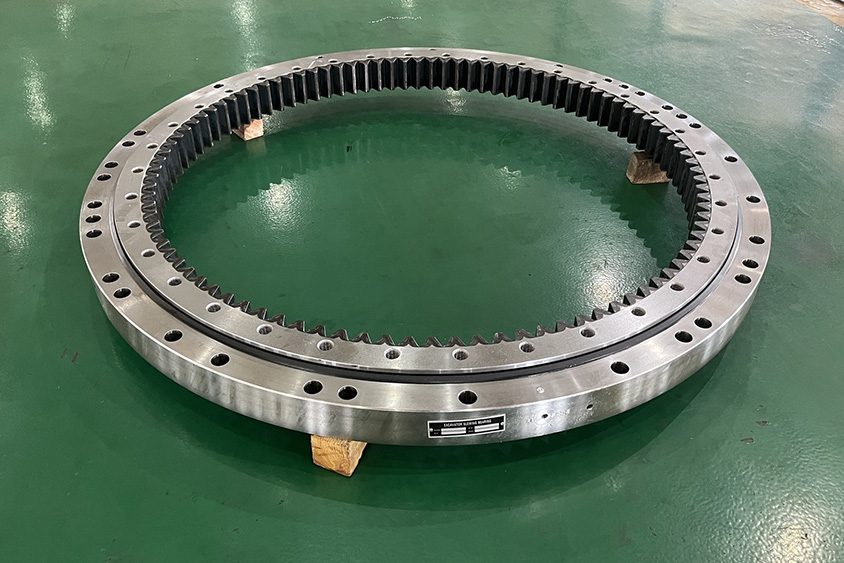
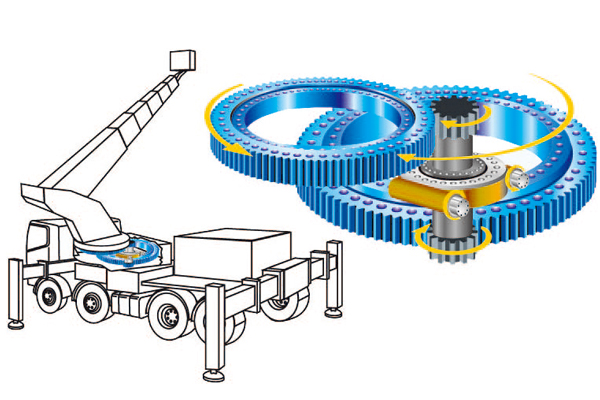
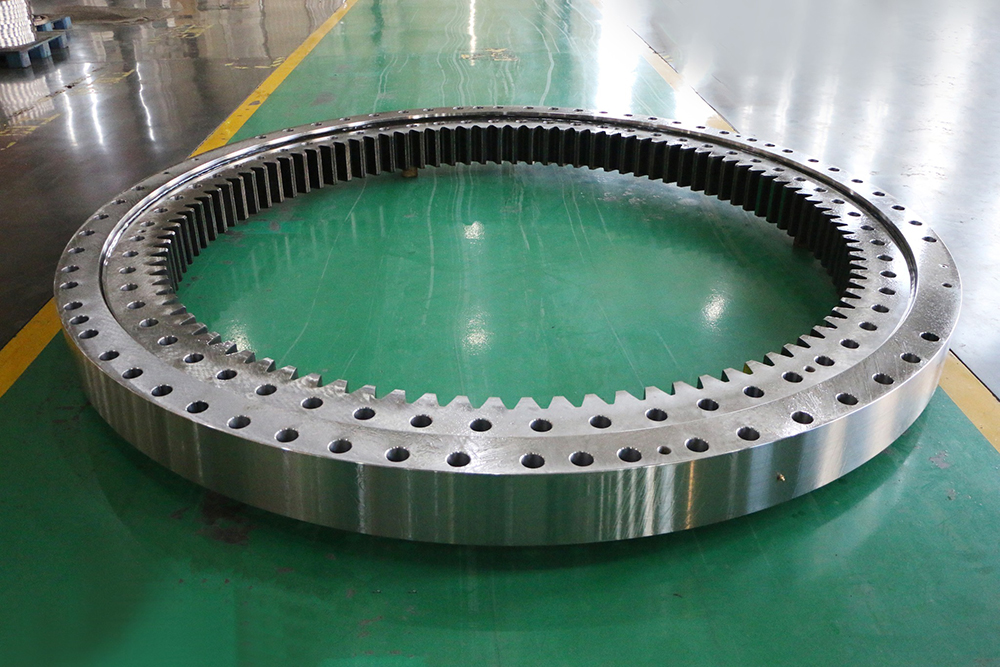
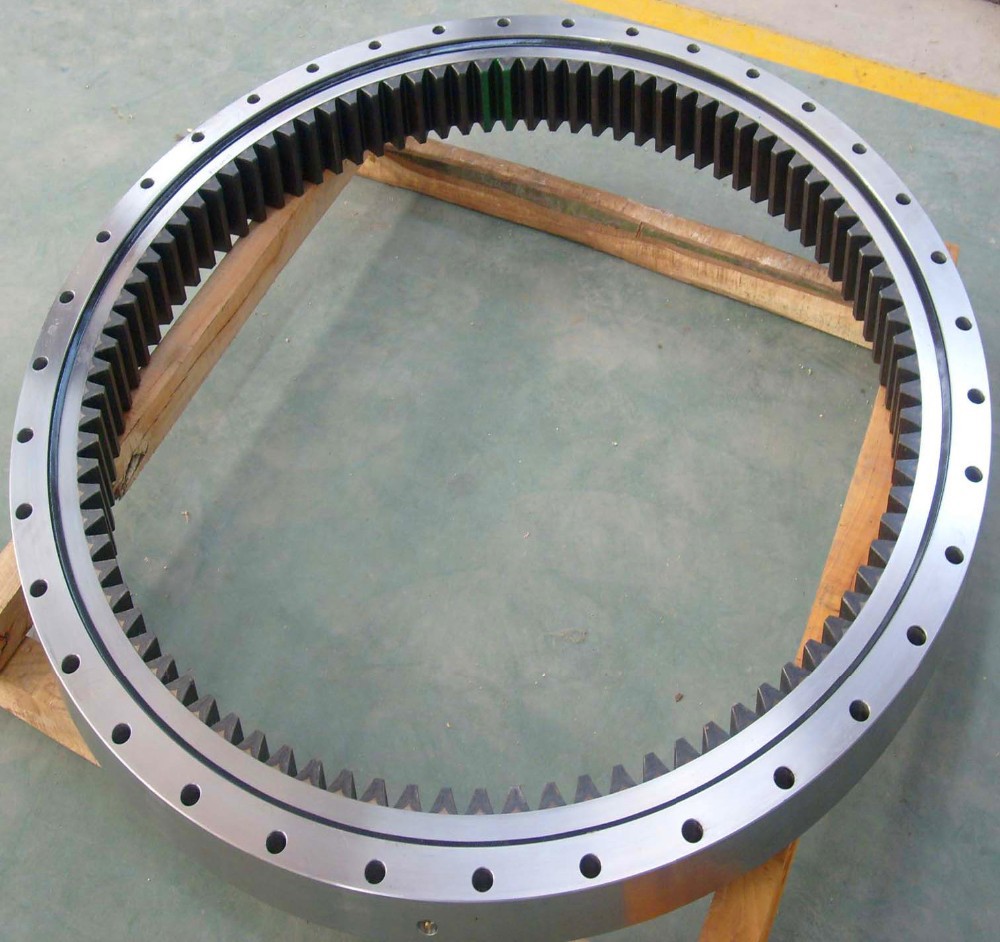
Slewing bearings are large-diameter rotational bearings capable of handling massive axial, radial, and moment loads. Common configurations include four-point contact balls, double-row balls, and three-row rollers. Many models, such as the QIBR RU series and RB series, feature integrated gear teeth for direct drive, making them ideal for heavy-duty applications like:
- Cranes and excavators
- Wind turbine yaw systems
- Port cranes and rotating platforms
Slewing bearings are built for strength, stability, and durability, rather than ultra-high precision. They excel in environments where heavy loads and slow rotational speeds dominate.
Cross Roller Bearings: Precision and Rigidity
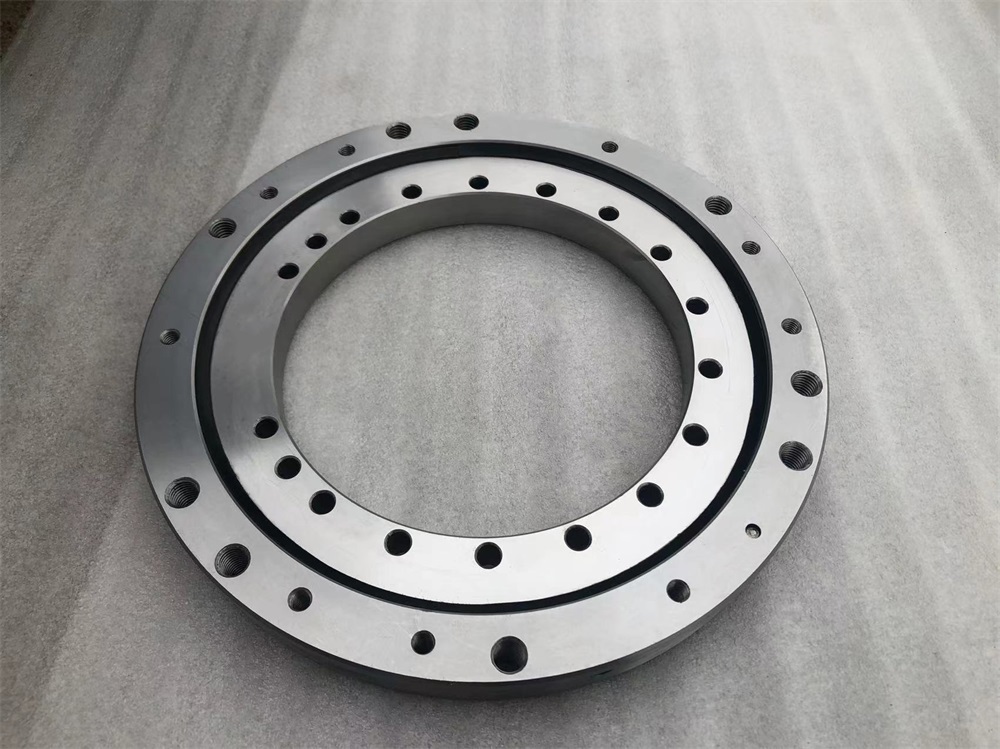
Cross roller bearings, such as the QIBR XSU series, use cylindrical rollers arranged alternately at 90° between the inner and outer rings. This unique arrangement allows a single bearing to handle:
- Radial loads
- Axial loads
- Moment loads
The result is high rigidity, minimal elastic deformation, and superior rotational accuracy. Cross roller bearings are compact, precise, and ideal for applications like:
- Industrial robot joints
- CNC rotary tables
- Semiconductor machinery
- Medical imaging equipment
Preloading techniques are often applied to eliminate internal clearance, ensuring stable and accurate rotation even in high-precision settings.
Installation and Maintenance
- Slewing bearings require routine lubrication and inspection, particularly in outdoor or heavy-duty environments. Proper bolt torque and flat mounting surfaces are critical for optimal performance.
- Cross roller bearings demand precise installation and correct preload to maintain accuracy and maximize service life.
How to Choose
- Heavy-load, low-speed applications → Slewing bearings
- High-precision, high-rigidity, compact machinery → Cross roller bearings
Selecting the right bearing type ensures not only mechanical reliability but also operational efficiency and longevity.