Newsroom
The 3800-2RS Bearing: Structure, Advantages, Applications, and Maintenance
In the realm of mechanical engineering, bearings serve as the unsung heroes that facilitate smooth motion, reduce friction, and support rotational or linear loads. Among the diverse range of bearings available, the 3800-2RS stands out as a reliable and versatile option, widely utilized in various industrial and commercial applications. This article delves into the structural characteristics, core advantages, typical applications, installation guidelines, and maintenance practices of the 3800-2RS bearing, shedding light on why it has become a preferred choice for engineers and manufacturers worldwide.
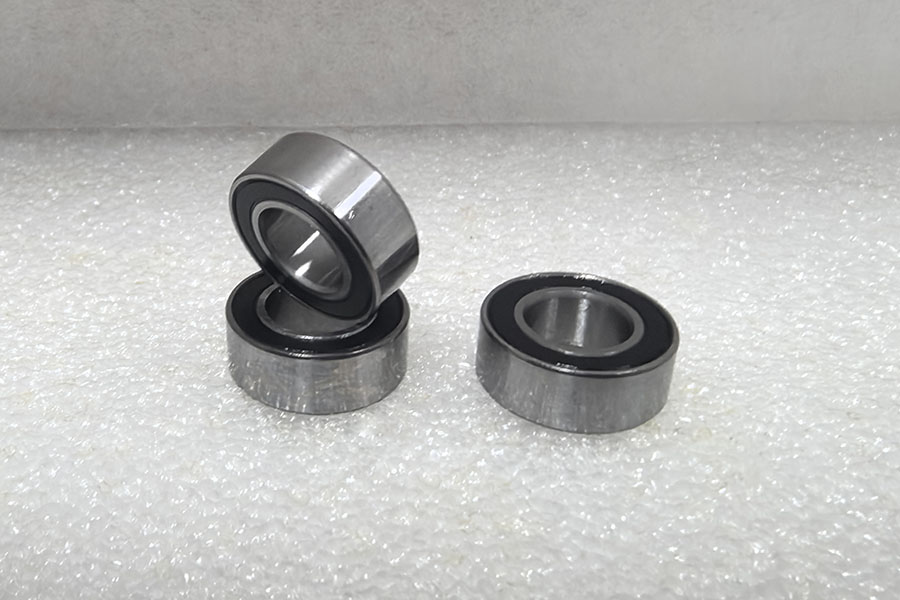
To understand the 3800-2RS bearing, it is essential to first break down its structural composition, as each component plays a crucial role in its overall performance. At its core, the 3800-2RS is a type of deep groove ball bearing, a category known for its ability to accommodate both radial and axial loads simultaneously. The "3800" in its designation follows standard bearing numbering conventions, indicating key dimensions: an inner diameter of 10 millimeters, an outer diameter of 19 millimeters, and a width of 7 millimeters. These compact dimensions make it particularly suitable for applications where space is limited, a common constraint in many modern mechanical designs. The suffix "2RS" is equally significant, referring to the presence of two rubber seals (RS) on both sides of the bearing. These seals are not mere add-ons but integral components that prevent the ingress of dust, dirt, moisture, and other contaminants while retaining the lubricating grease inside the bearing.
The structural design of the 3800-2RS gives rise to a host of advantages that set it apart from other bearing types. First and foremost is its excellent sealing performance. The rubber seals create a tight barrier between the internal components of the bearing and the external environment, which is critical for extending the bearing's service life. In harsh operating conditions—such as dusty construction sites, humid agricultural settings, or industrial environments with chemical residues—contaminants can cause premature wear, corrosion, and even failure of the bearing. The 2RS seals effectively mitigate these risks, ensuring consistent performance over time. Secondly, the 3800-2RS offers exceptional friction reduction. Like all deep groove ball bearings, it features a set of precision-engineered steel balls that roll between the inner and outer races, minimizing contact friction compared to sliding bearings. This low friction not only enhances the efficiency of the mechanical system but also reduces energy consumption, a key consideration in today's energy-conscious industrial landscape. Additionally, the bearing exhibits high radial load capacity relative to its size, thanks to the optimized design of the races and the high-quality materials used in its construction. Most 3800-2RS bearings are made from high-carbon chromium steel, which provides excellent hardness, wear resistance, and toughness, enabling them to withstand the rigors of continuous operation.
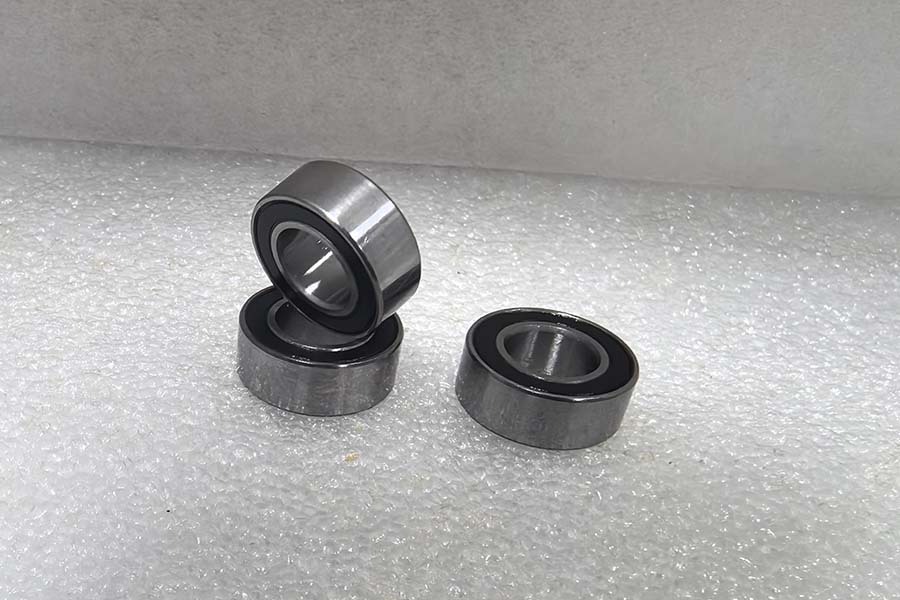
The versatility of the 3800-2RS bearing is reflected in its wide range of applications across various industries. One of the most common uses is in electric motors, where the bearing supports the rotating shaft, ensuring smooth operation and reducing energy loss. From small fractional-horsepower motors used in household appliances (such as fans, air conditioners, and washing machines) to larger industrial motors, the 3800-2RS’s compact size and reliable sealing make it an ideal choice. Another major application area is in automotive components. It can be found in auxiliary systems of vehicles, such as the alternator, water pump, and power steering system, where it must endure varying temperatures, vibrations, and exposure to dust and moisture. The bearing’s sealing performance is particularly valuable here, as automotive environments are often harsh and unforgiving. Beyond motors and automobiles, the 3800-2RS is also used in industrial machinery, including conveyors, pumps, and small gearboxes. In these applications, it supports rotating parts, ensures precise motion control, and contributes to the overall reliability of the equipment. Additionally, it is utilized in recreational equipment, such as bicycles, skateboards, and small power tools, where smooth motion and durability are essential for user experience and safety.
While the 3800-2RS bearing is designed for reliability, proper installation and handling are crucial to maximizing its performance and service life. Improper installation is one of the leading causes of premature bearing failure, so following specific guidelines is essential. First, the mounting surfaces (shaft and housing) must be clean, smooth, and free of burrs or scratches. Any contaminants on these surfaces can cause misalignment or damage to the bearing’s races during installation. Second, the bearing should be installed with the correct amount of interference. A slight interference fit between the inner race and the shaft, and between the outer race and the housing, ensures that the bearing is securely mounted and prevents relative motion that can lead to wear. However, excessive interference can distort the bearing’s internal geometry, increasing friction and reducing performance. It is recommended to use specialized tools, such as bearing presses or hydraulic mounts, to install the bearing, as hammering or other brute-force methods can damage the internal components. Additionally, the bearing should be handled with care to avoid dropping or impacting it, as this can cause cracks or dents in the races or balls.
Proper maintenance is another key factor in extending the service life of the 3800-2RS bearing. Fortunately, the sealed design of the bearing simplifies maintenance significantly compared to open bearings. Since the 2RS seals retain the lubricating grease, there is no need for frequent relubrication, which reduces maintenance costs and downtime. However, regular inspection is still necessary to detect potential issues early. During inspection, engineers should check for signs of wear, such as abnormal noise, vibration, or overheating during operation. Abnormal noise—such as grinding, clicking, or squealing—often indicates that the bearing is damaged or that the lubricant has deteriorated. Vibration can be a sign of misalignment or imbalance, while overheating may indicate excessive friction due to improper installation or contamination. If any of these issues are detected, the bearing should be replaced promptly to prevent further damage to the mechanical system. It is also important to store the 3800-2RS bearing properly when not in use. Bearings should be stored in a clean, dry environment, away from direct sunlight and extreme temperatures. They should also be kept in their original packaging until installation to prevent contamination and damage.
In conclusion, the 3800-2RS bearing is a compact, reliable, and versatile component that plays a vital role in numerous mechanical systems. Its structural design, featuring precision deep groove ball elements and dual rubber seals, provides excellent sealing performance, low friction, and high load capacity. These advantages make it suitable for a wide range of applications, from electric motors and automotive components to industrial machinery and recreational equipment. By following proper installation guidelines and conducting regular inspections, users can maximize the service life of the 3800-2RS bearing, ensuring optimal performance and minimizing downtime. As the demand for efficient, durable, and low-maintenance mechanical components continues to grow, the 3800-2RS bearing is likely to remain a staple in the engineering and manufacturing industries, proving its value as a small but essential part of larger mechanical systems.