Newsroom
Why Are Hybrid Ceramic Bearings Becoming More Popular in High-Speed Applications?
As modern machinery continues to demand higher speed, lower friction, and improved reliability, hybrid ceramic bearings are gaining increasing attention across multiple industries.
By combining ceramic rolling elements with steel rings, these bearings offer a unique balance of performance, durability, and efficiency—making them an ideal solution for demanding operating conditions.
What Are Hybrid Ceramic Bearings?
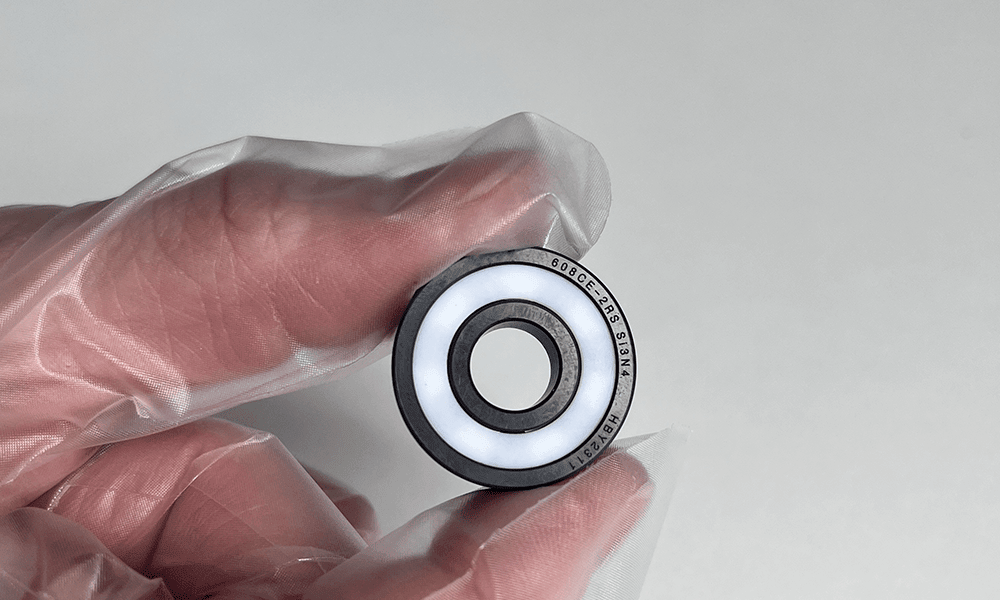
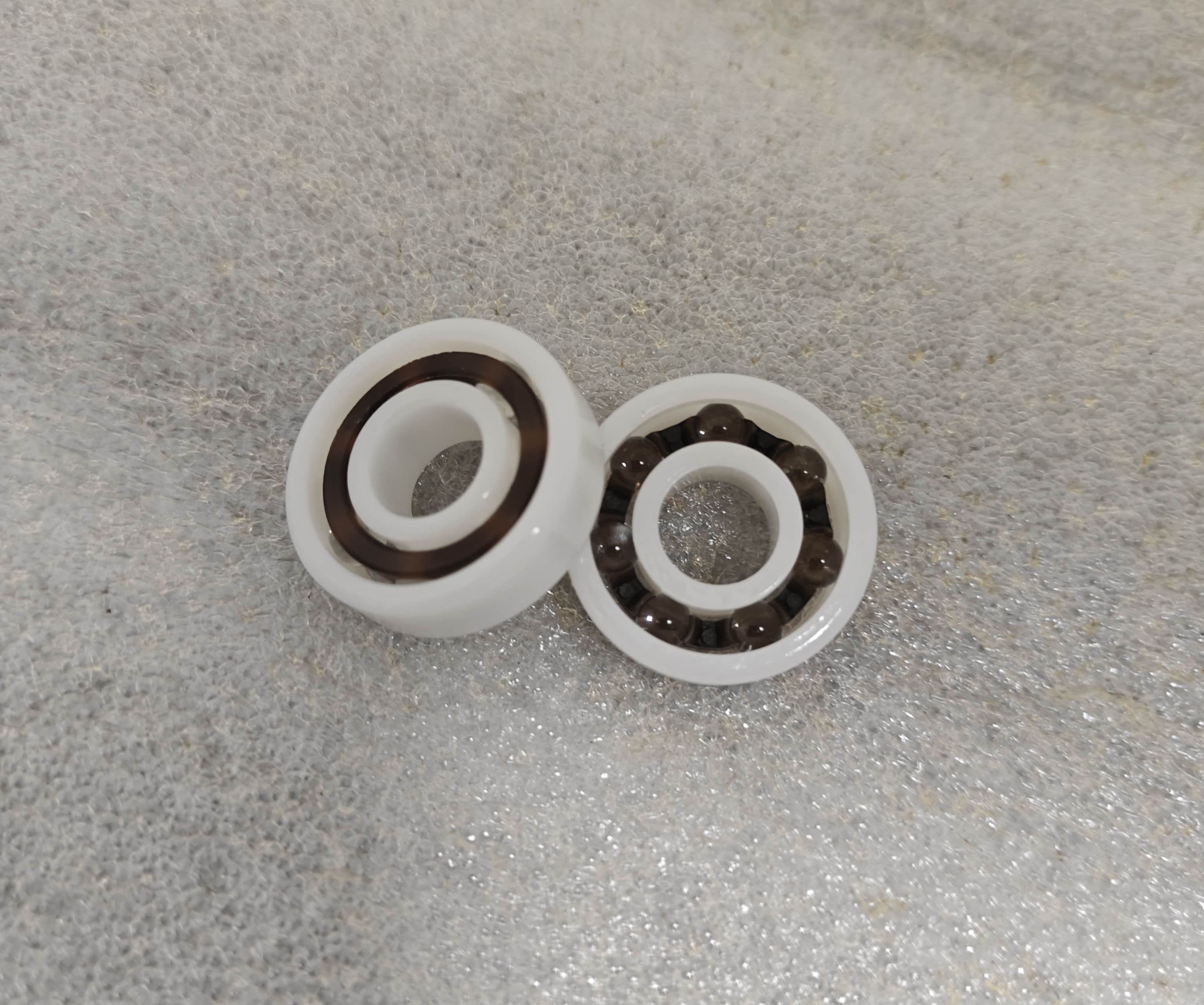
Hybrid ceramic bearings are a type of rolling bearing that uses ceramic balls (usually silicon nitride, Si₃N₄) together with traditional steel inner and outer rings.
This design combines the strength of steel with the advanced properties of ceramic materials, resulting in enhanced performance compared to standard all-steel bearings.
Key Advantages
Lower friction and higher speed
Ceramic balls are lighter and smoother than steel balls, which reduces centrifugal force and allows higher rotational speeds.
Improved wear resistance
Ceramic materials are harder than steel, reducing surface wear and extending bearing life.
Electrical insulation
Ceramic rolling elements prevent electrical current from passing through the bearing, helping to avoid electrical erosion.
Better performance in harsh environments
Hybrid bearings perform well in conditions involving high temperature, poor lubrication, or contamination.
Typical Applications
Due to their superior performance, hybrid ceramic bearings are widely used in industries where speed, precision, and reliability are critical:
- Electric motors and generators
- High-speed spindles
- UAV and drone motors
- Medical equipment
- Semiconductor machinery
In these applications, reducing friction and improving durability directly impacts efficiency and service life.
Related Bearing Types
Depending on the application, hybrid ceramic technology can be applied to different bearing types:
- Deep Groove Ball Bearings – for high-speed motor applications
- Angular Contact Ball Bearings – for precision and combined load support
- Miniature Bearings – for compact and lightweight system
Conclusion
Hybrid ceramic bearings are becoming an essential solution for modern high-performance machinery. Their ability to reduce friction, improve durability, and prevent electrical damage makes them highly suitable for next-generation industrial applications.
As industries continue to evolve toward higher efficiency and reliability, the demand for hybrid ceramic bearings is expected to grow steadily.