Newsroom
Differences Between Low-Temperature Deep Groove Ball Bearings and Standard Deep Groove Ball Bearings
2025-11-14Equipment operating in extremely cold environments requires bearings with higher demands in terms of materials, lubrication, and structural design. Low-temperature deep groove ball bearings are specially developed for these applications. The following sections compare the differences between low-temperature bearings and standard bearings in detail.
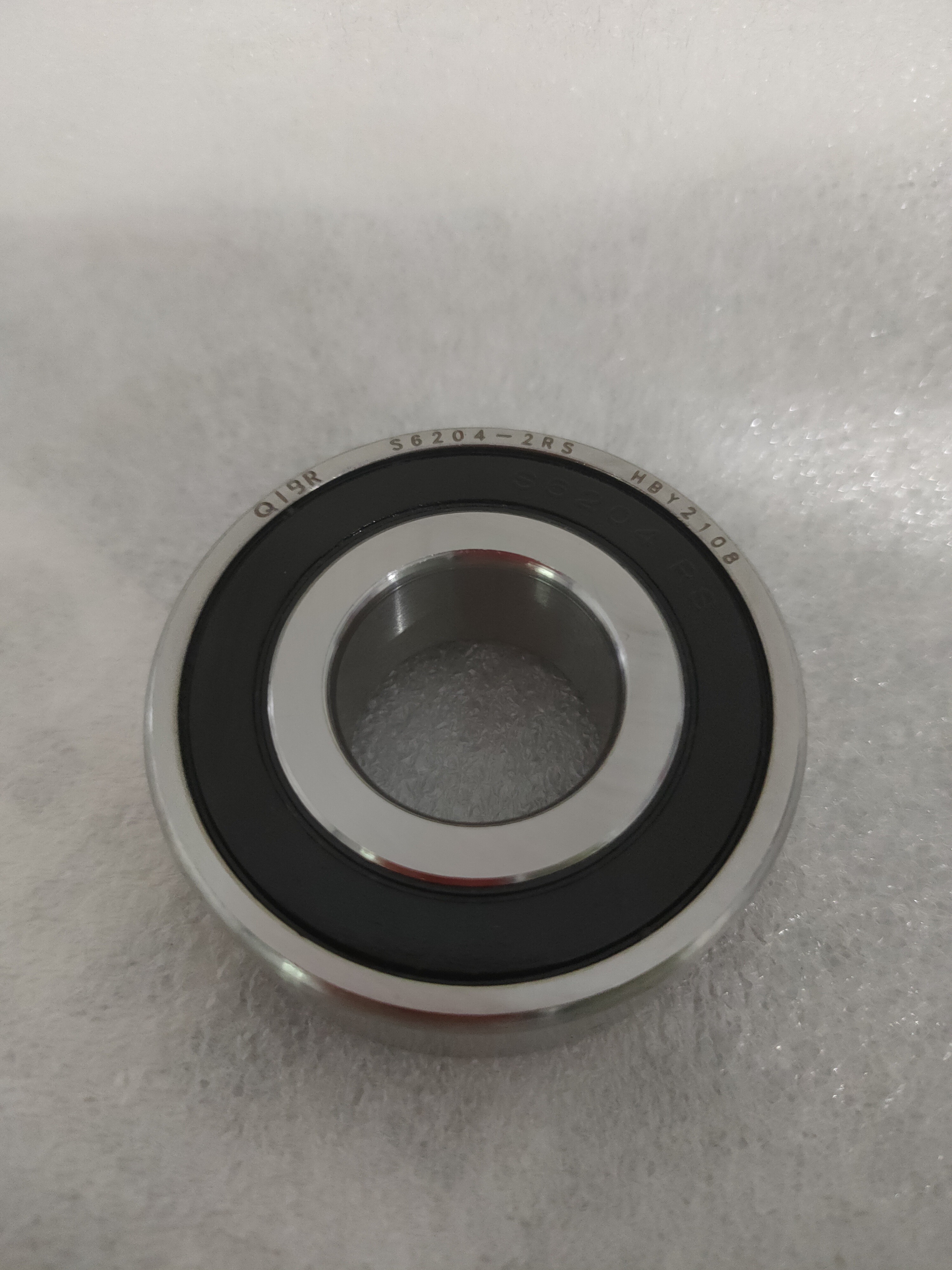
Differences Between Low-Temperature Deep Groove Ball Bearings and Standard Bearings
i. Material Differences
Low-Temperature Deep Groove Ball Bearings:
- Manufactured using specially selected and treated materials such as low-temperature alloy steel, cryogenically treated stainless steel, or austenitic stainless steel.
- These materials maintain excellent toughness, strength, and wear resistance even under extremely low temperatures, preventing brittle fracture.
Standard Deep Groove Ball Bearings:
- Ordinary bearing steel may become brittle at low temperatures, making it prone to cracking or breaking.
- Not suitable for long-term operation in cold or deep-freeze environments.
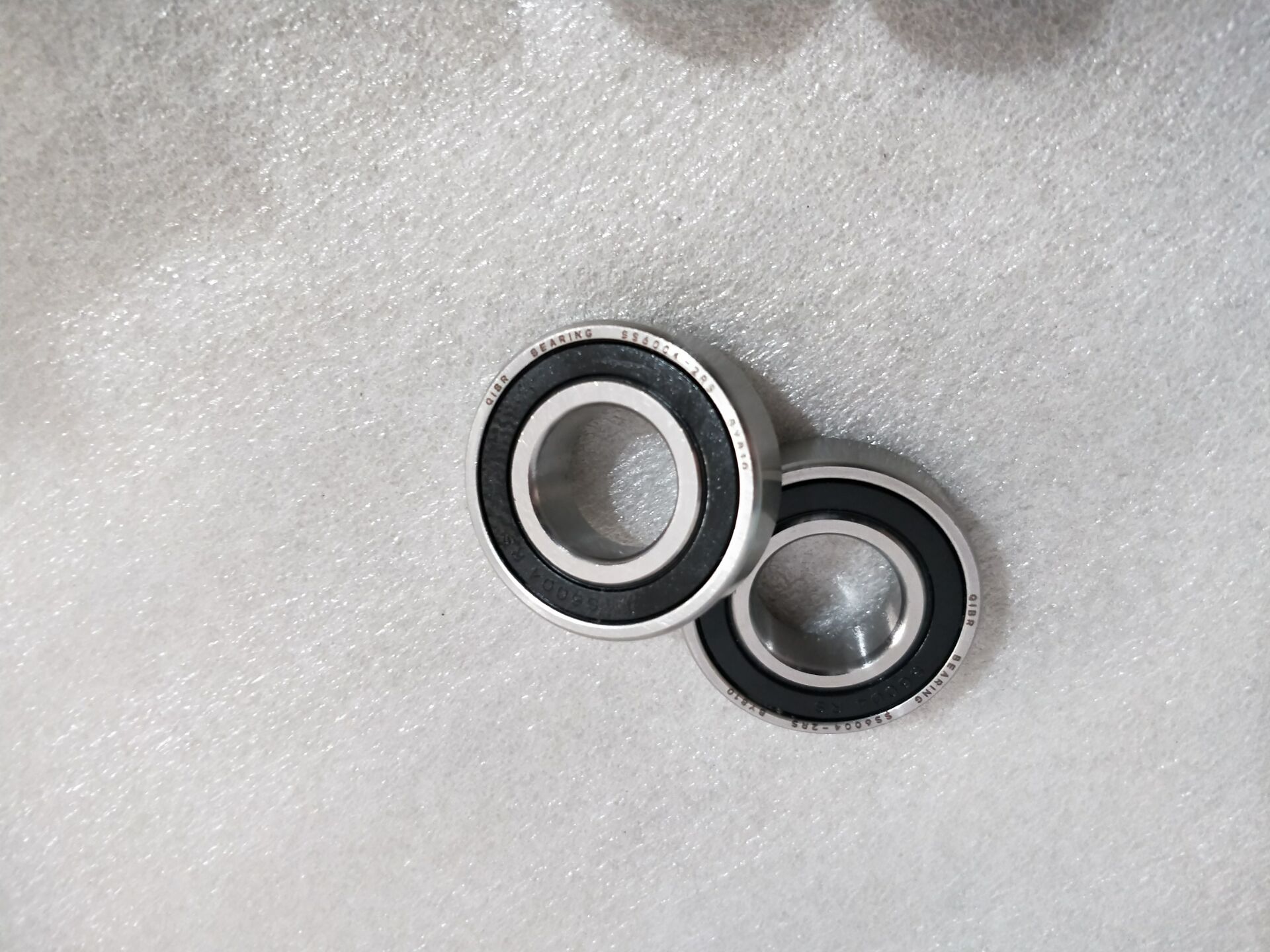
ii. Lubrication Differences
Low-Temperature Deep Groove Ball Bearings:
- Use dedicated low-temperature lubricants capable of maintaining proper viscosity even near freezing conditions.
- Ensure smooth startup, stable running, and low noise.
Standard Deep Groove Ball Bearings:
- Standard lubricants thicken significantly at low temperatures, which may cause startup difficulty, seizure, or bearing failure.
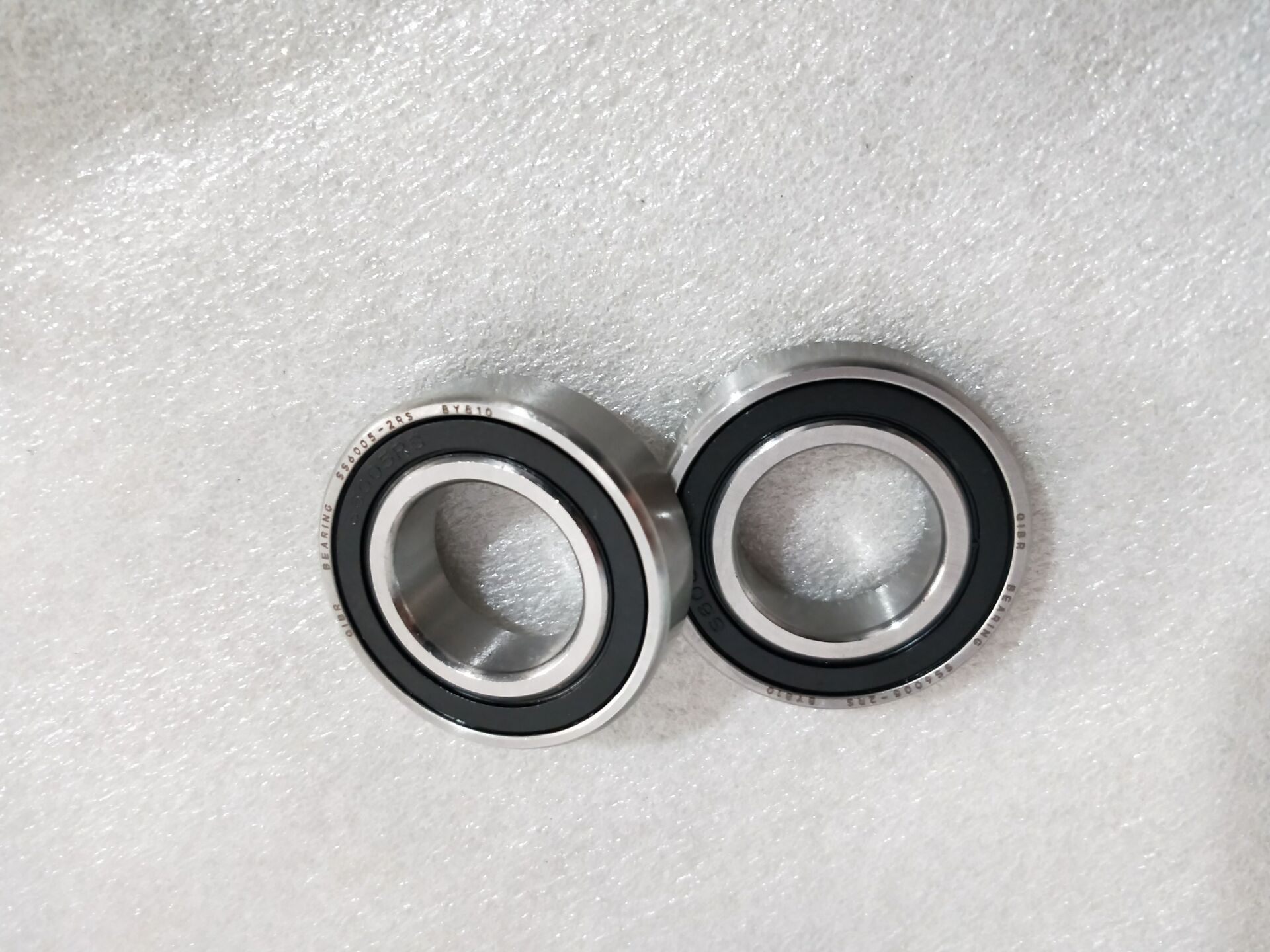
iii.Simplify Installation to Lower Assembly and Replacement Costs
Low-Temperature Deep Groove Ball Bearings:
- May feature increased internal clearance to compensate for material contraction at low temperatures.
- Seals are made from low-temperature rubber or fluororubber to avoid hardening, freezing, or leakage.
- Structural design focuses on preventing frost, condensation, and moisture ingress.
Standard Deep Groove Ball Bearings:
- Not designed to address challenges such as contraction, lubricant thickening, or sub-zero environmental effects; therefore unsuitable for harsh low-temperature conditions.